PRODUCTS
‹
›
‹
›
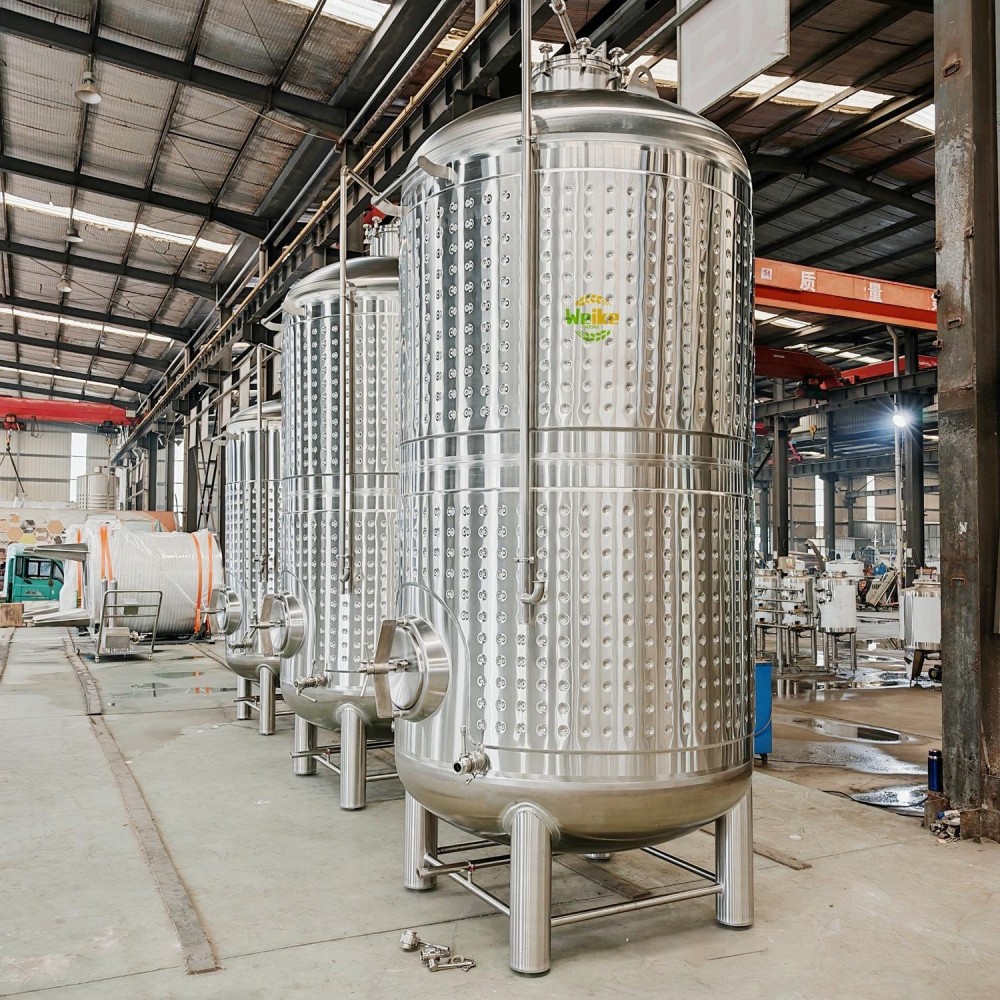
1000L sparkling wine pressure tanks
PRODUCT DESCRIPTION
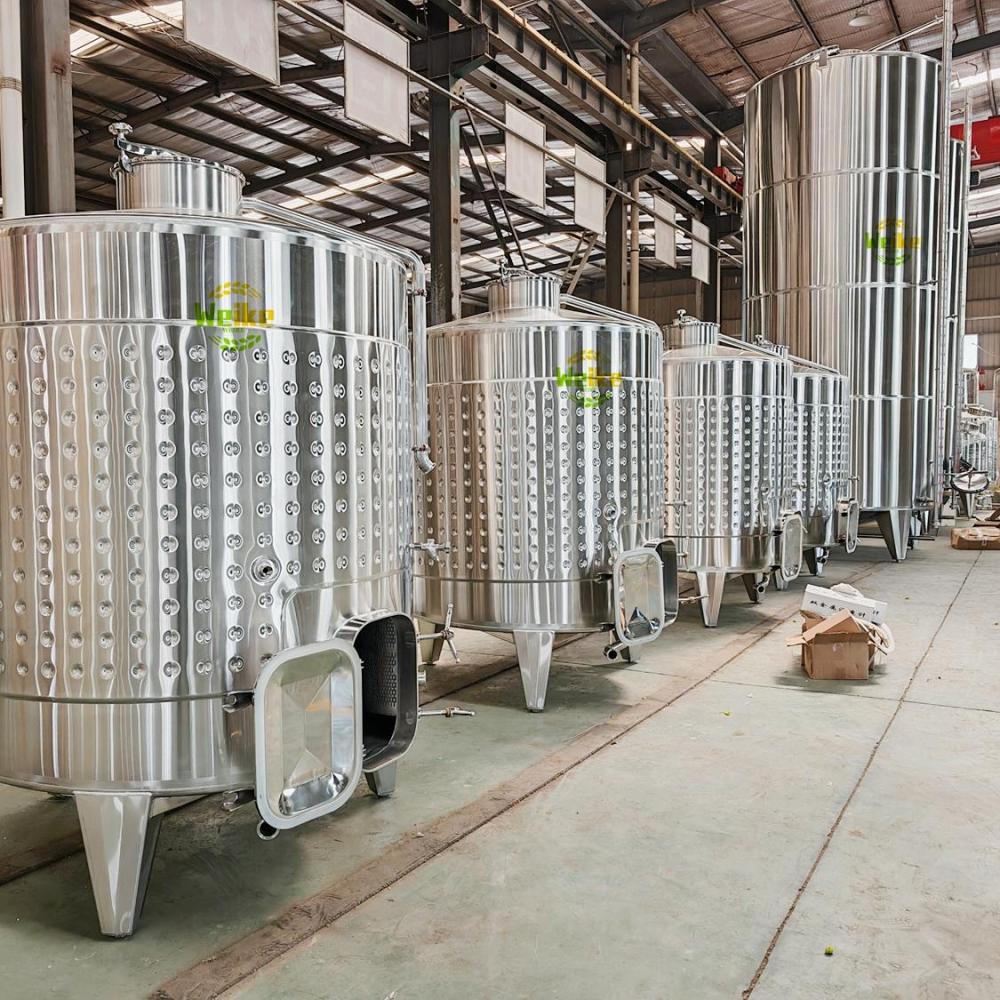
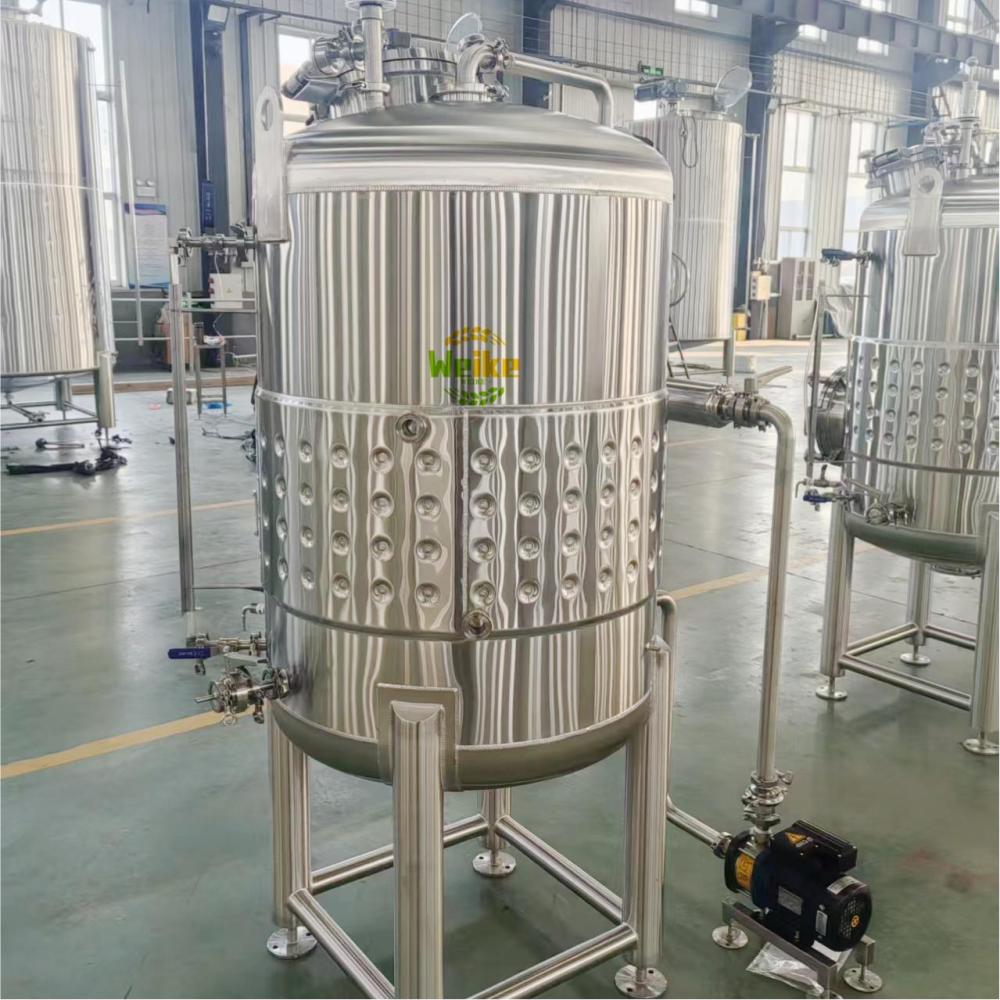
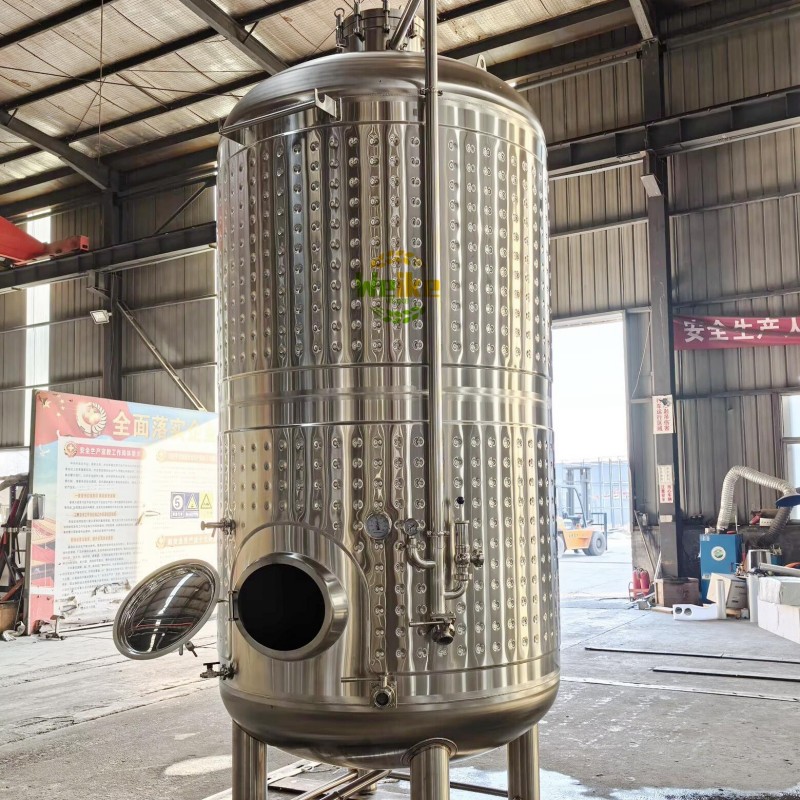
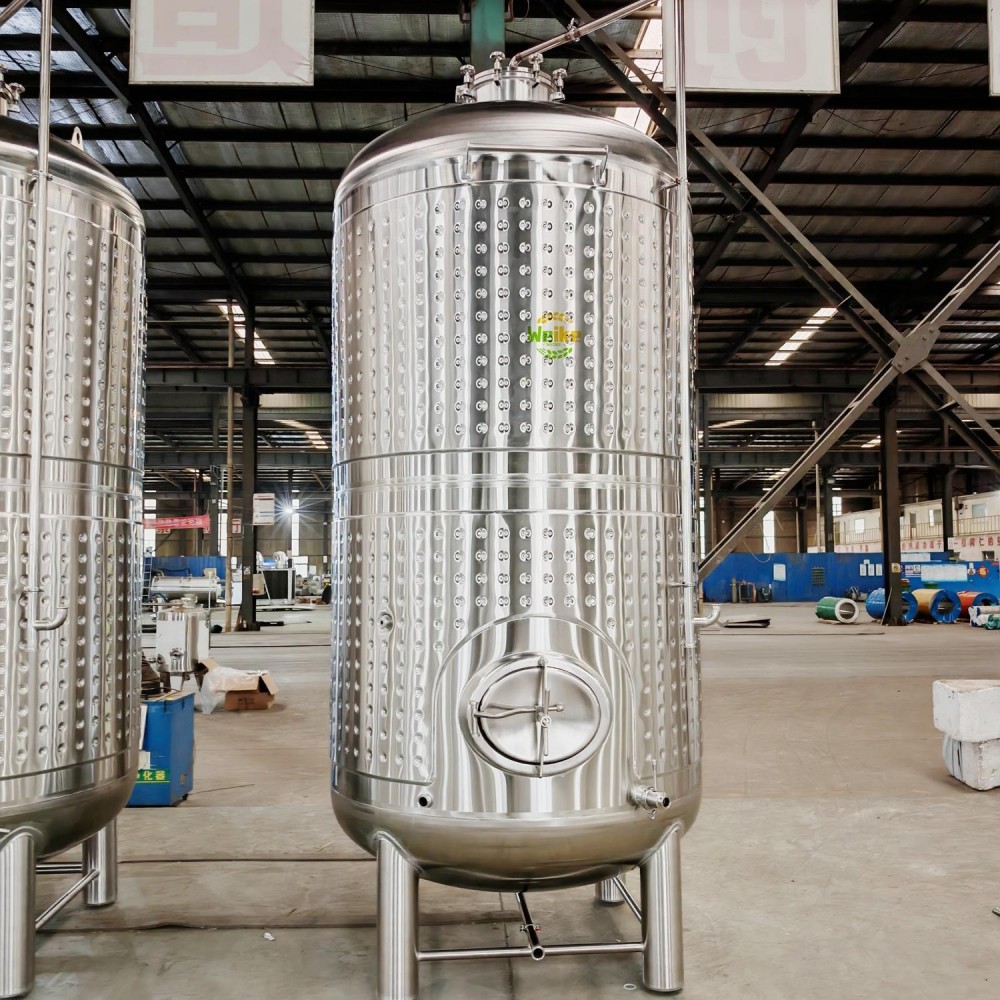
temperature control: Sparkling wine tanks also need to be temperature control. The wine fermentation tanks will be with cooling jacket or cooling coil for cooling so that the tanks container can be automatic temperature controlled, cause excessive temperature may lead to yeast inactivation, so moderate control is necessary.
High pressure: the tanks are designed with 6 bar around so that the thickness of the tanks should match the pressure, cause it will fill carbon dioxide which should dissolve into the tanks.
Safety valves: the pressure tanks should fit with safety valves and pressure adjustbale valve to keep safety during wine fermentation and avoid problems.
Dimension of sparkling wine pressure tanks or charmat tanks
Detailed specification list
Main Feature of Sparkling wine tanks
1. Pressure-Rated Construction (Non-Negotiable for Bubbles)
This is the most important feature. Sparkling wine tanks are engineered to withstand high internal pressure—typically up to 6–8 bar (87–116 PSI), which is about the pressure of a car tire! Regular wine tanks can only handle 1–2 bar, so they’d rupture during secondary fermentation (when yeast produces CO₂ that gets trapped in the wine). The tanks use thicker 316 stainless steel walls (heavier than standard wine tanks) and reinforced seams, lids, and valves to hold that pressure safely. For the traditional method (where bottles are used for secondary fermentation), we still use these tanks for the initial primary fermentation and blending—they’re just as critical there.
2. Specialized Agitation Systems for Riddling (Remuage) or Sur Lie Aging
Sparkling wine needs sur lie aging (aging on the dead yeast lees) to develop complexity, and riddling to collect the lees in the neck for removal (disgorgement). Sparkling wine tanks have two common agitation features:
◦ Rotating tank bases or internal paddles: For large-scale tank method production, these gently agitate the wine to keep the lees suspended—mimicking the hand-riddling of bottles, but much faster and more efficient.
◦ Tiltable design: Some smaller tanks can be tilted at an angle (just like riddling racks for bottles) to collect the lees in a single spot at the bottom of the tank. This makes it easy to drain the lees without losing too much wine or releasing the bubbles.
All agitation systems are slow and gentle—we never want to break the tiny CO₂ bubbles or introduce oxygen.
3. Temperature-Controlled Jackets (Precision is Everything)
Sparkling wine production is super sensitive to temperature. These tanks have double-walled cooling/heating jackets (more robust than regular wine tank jackets) that let winemakers control the temperature to the nearest 0.5°C (32.9°F). Here’s why that matters:
◦ Primary fermentation: Cool temperatures (10–15°C / 50–59°F) preserve the delicate fruit aromas (critical for sparkling wine’s fresh, crisp profile).
◦ Secondary fermentation: Slightly warmer temperatures (12–18°C / 53.6–64.4°F) help the yeast work slowly and produce those tiny, persistent bubbles (instead of large, fizzy ones that dissipate quickly).
4. Hermetic Sealing (No CO₂ Loss = Perfect Bubbles)
Every opening on a sparkling wine tank—manways, valves, sampling ports, and filler necks—has a hermetic (airtight, pressure-tight) seal. Unlike regular wine tanks, which might have loose bungs or vented valves, these seals are designed to trap every single bubble of CO₂ produced during fermentation. Even a tiny leak would let the CO₂ escape, and you’d end up with still wine (or wine with weak, flat bubbles). The seals are usually made of food-grade silicone or PTFE (Teflon)—they’re non-toxic, don’t leach flavors into the wine, and can withstand high pressure and temperature changes.
5. Bottom Drain Valves for Disgorgement (Easy Lees Removal)
Sparkling wine tanks have large, heavy-duty bottom drain valves (often called lees valves) that are designed specifically for disgorgement—the process of removing the dead yeast lees after secondary fermentation. The valves are placed at the lowest point of the tank (which is often slightly conical at the bottom) to collect all the lees in one spot. This lets winemakers drain the lees quickly and efficiently, while keeping the pressure in the tank high (so the CO₂ bubbles don’t escape). Regular wine tanks have smaller drain valves that are not designed for this—they’d clog with lees, and you’d lose a lot of wine trying to clean them.
6. Sampling Ports with Pressure Relief (Safe, No Bubble Loss)
Unlike regular wine tanks, where you can just open a tap to take a sample, sparkling wine tanks have specialized sampling ports with pressure relief valves. These ports let winemakers take a small sample of the wine without releasing the internal pressure—so the CO₂ bubbles don’t escape, and the fermentation process isn’t disrupted. The sampling process is simple: you open the pressure relief valve slightly to equalize the pressure, then take the sample, and close it immediately. This is critical for monitoring the progress of secondary fermentation and sur lie aging—you need to taste the wine regularly to make sure it’s developing the right flavors and bubbles, but you can’t afford to lose any CO₂ in the process.
Get a quote
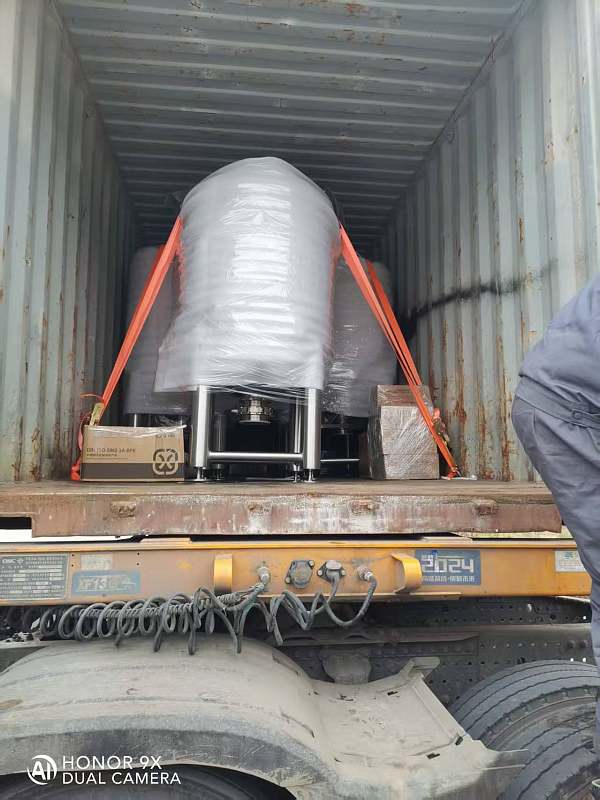
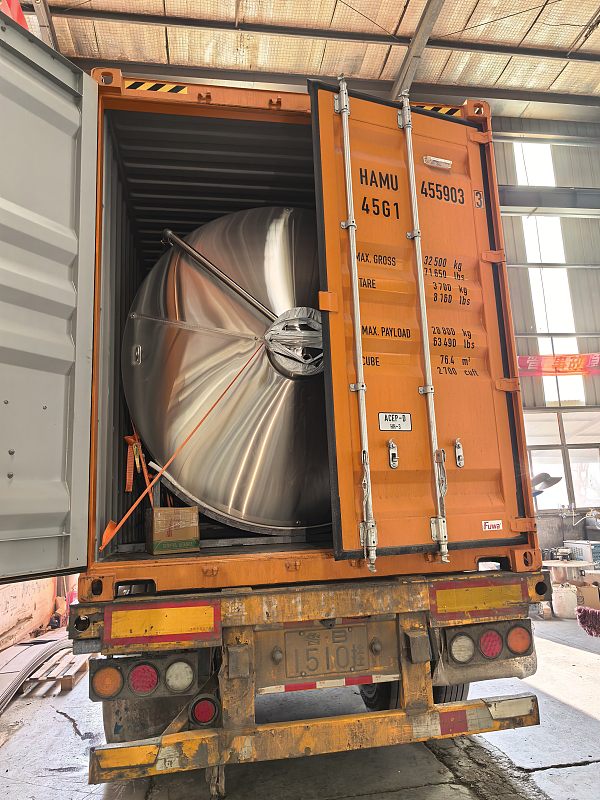
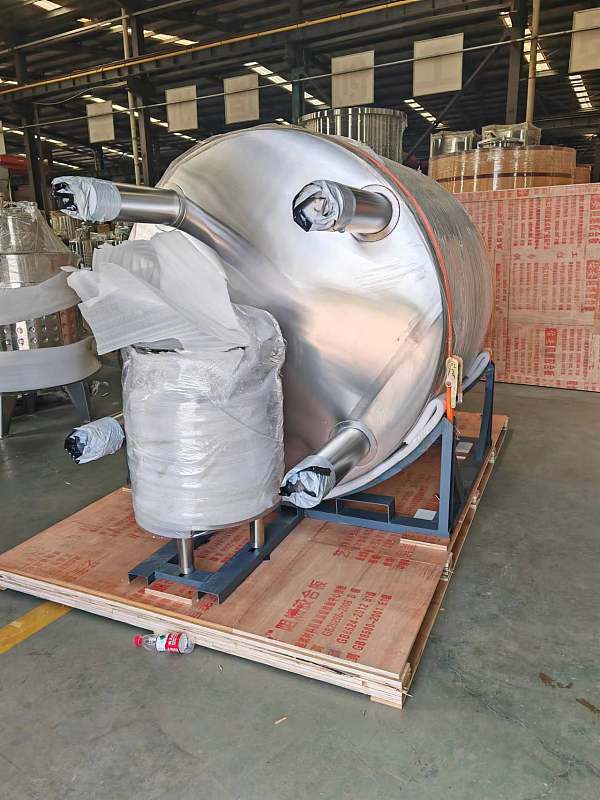
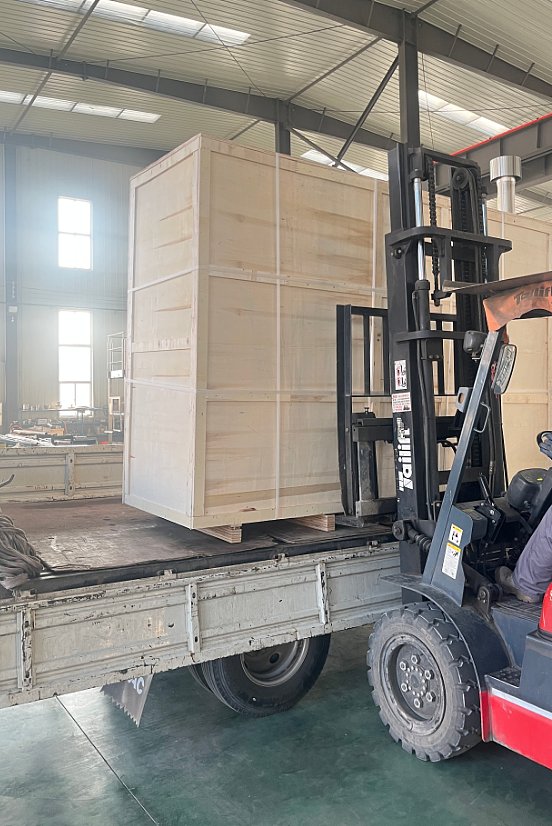
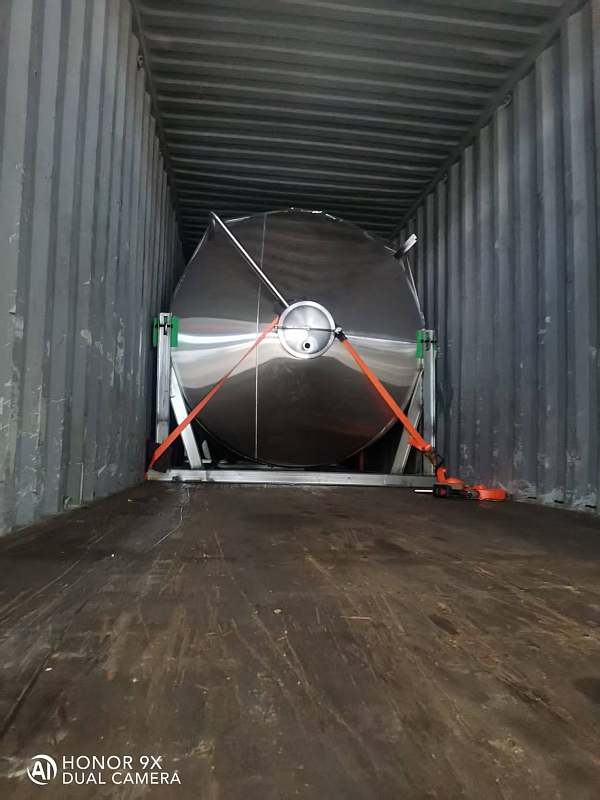
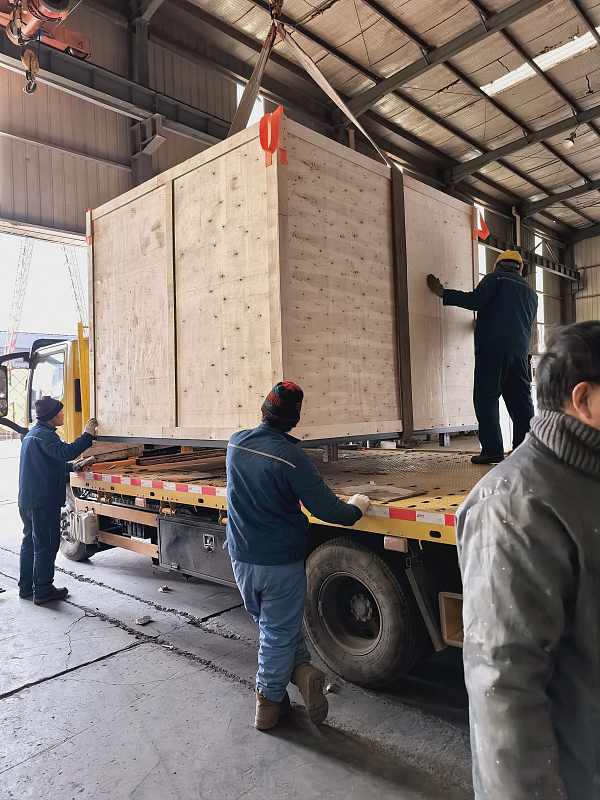
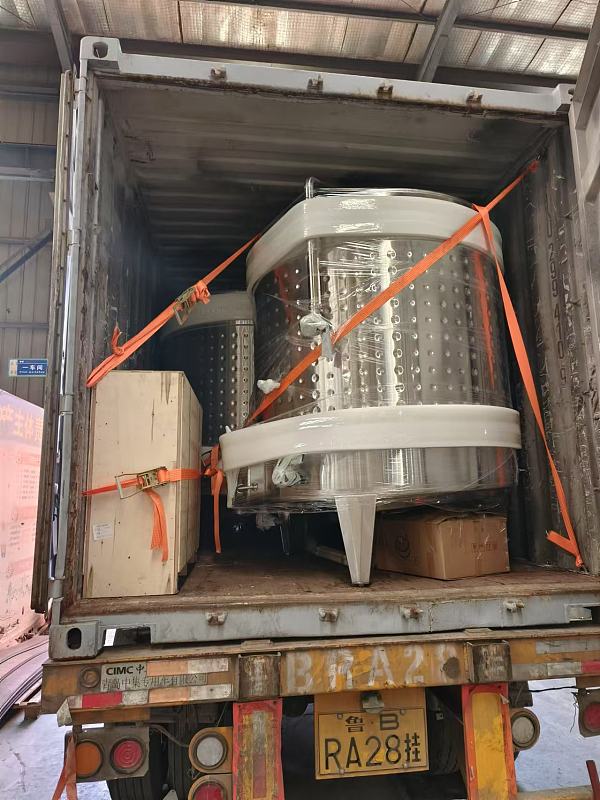
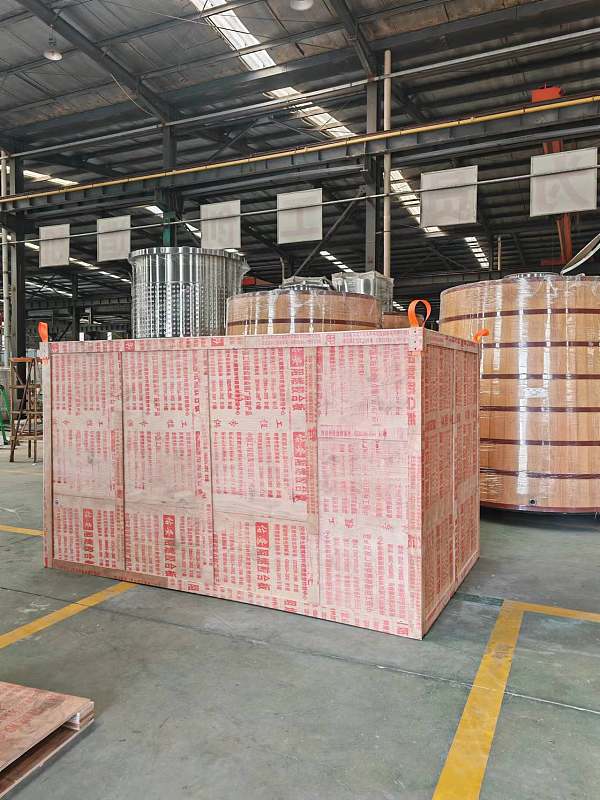
Packing and shipping