PRODUCTS
‹
›
‹
›
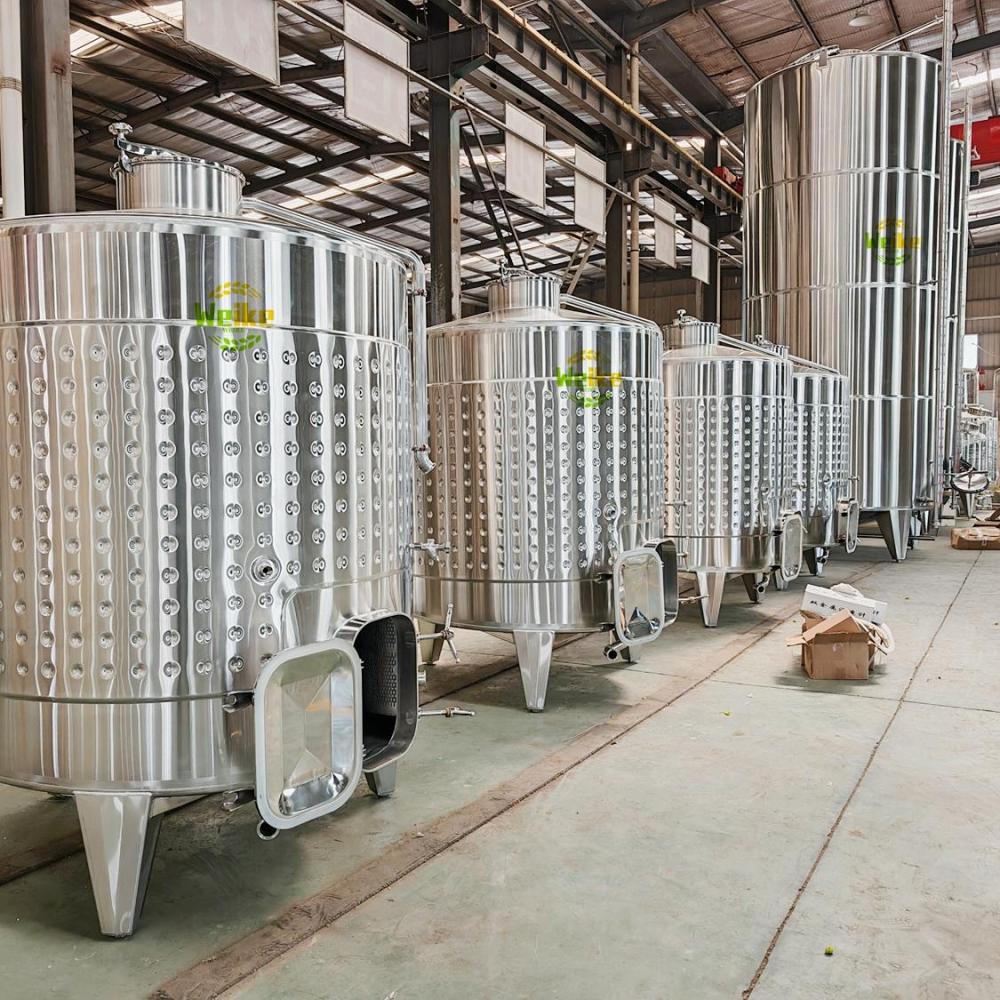
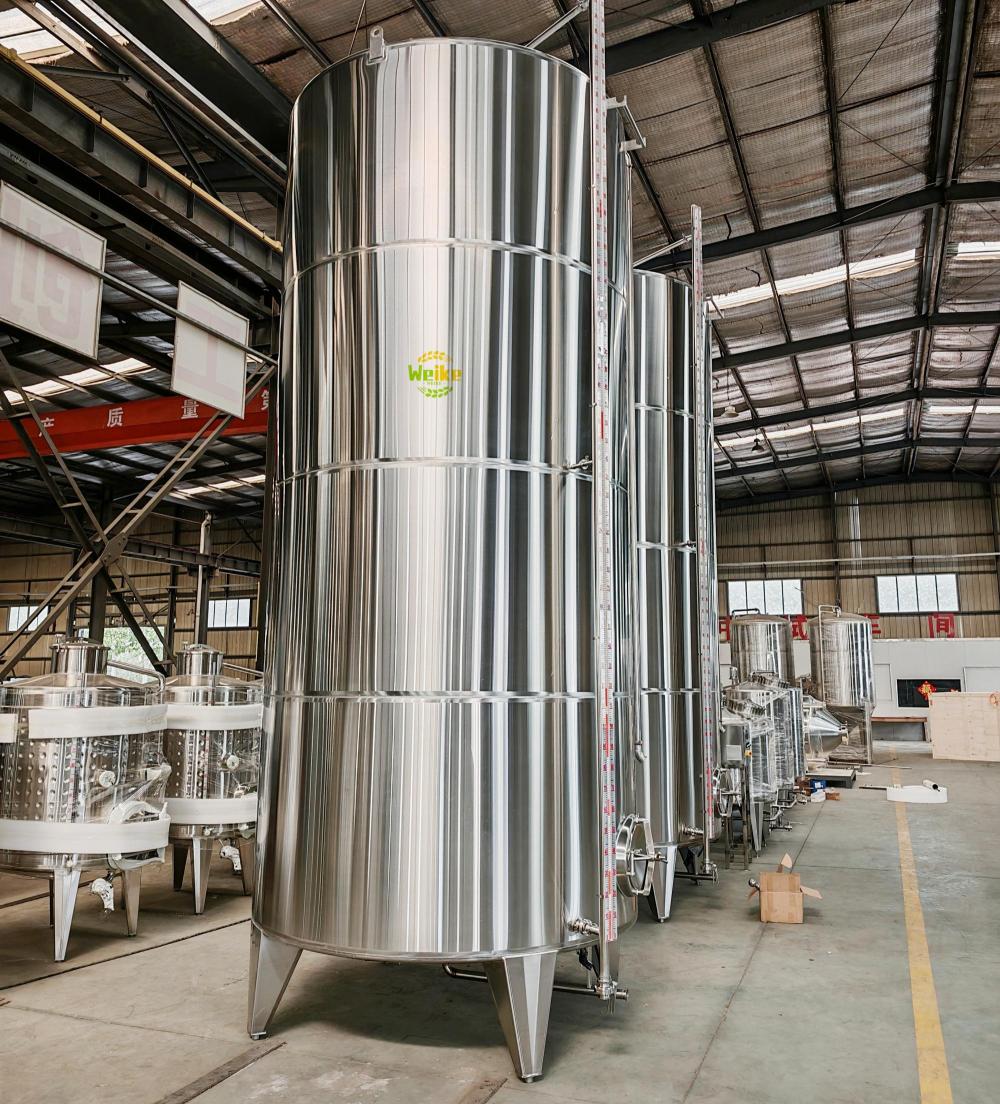
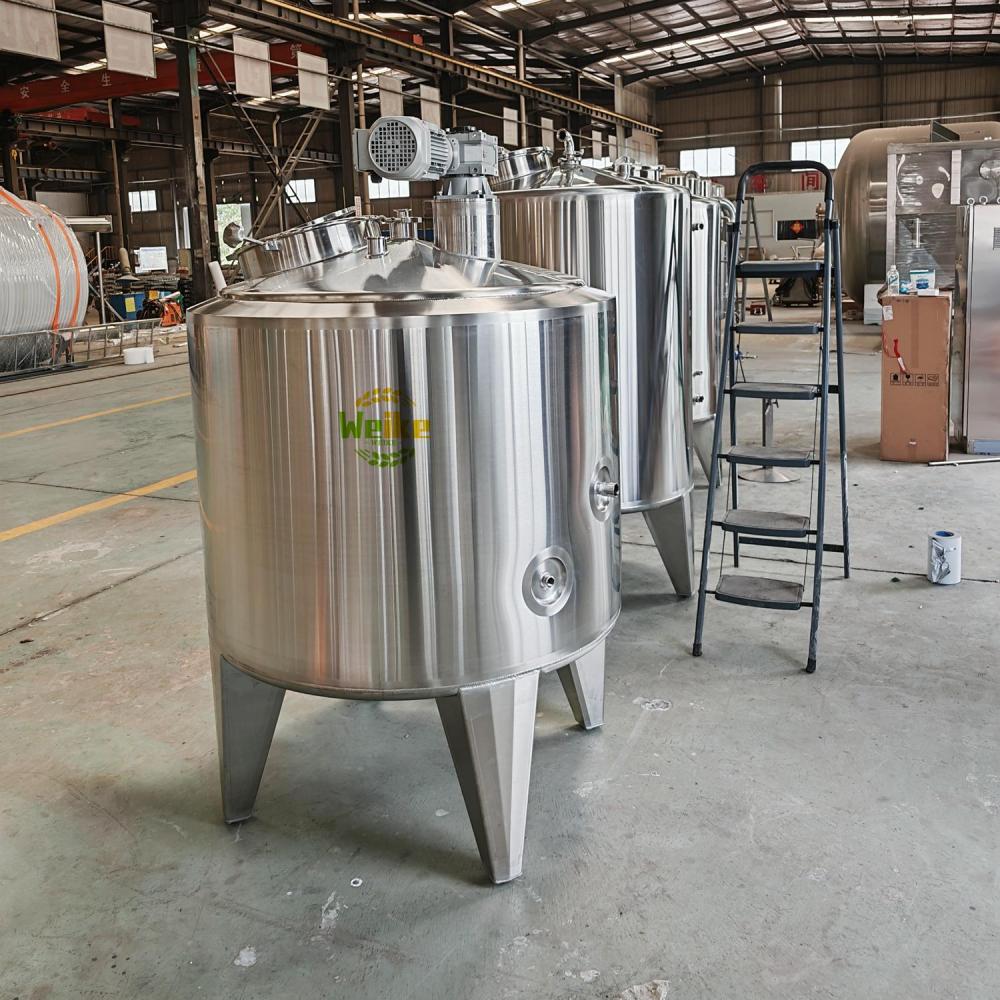
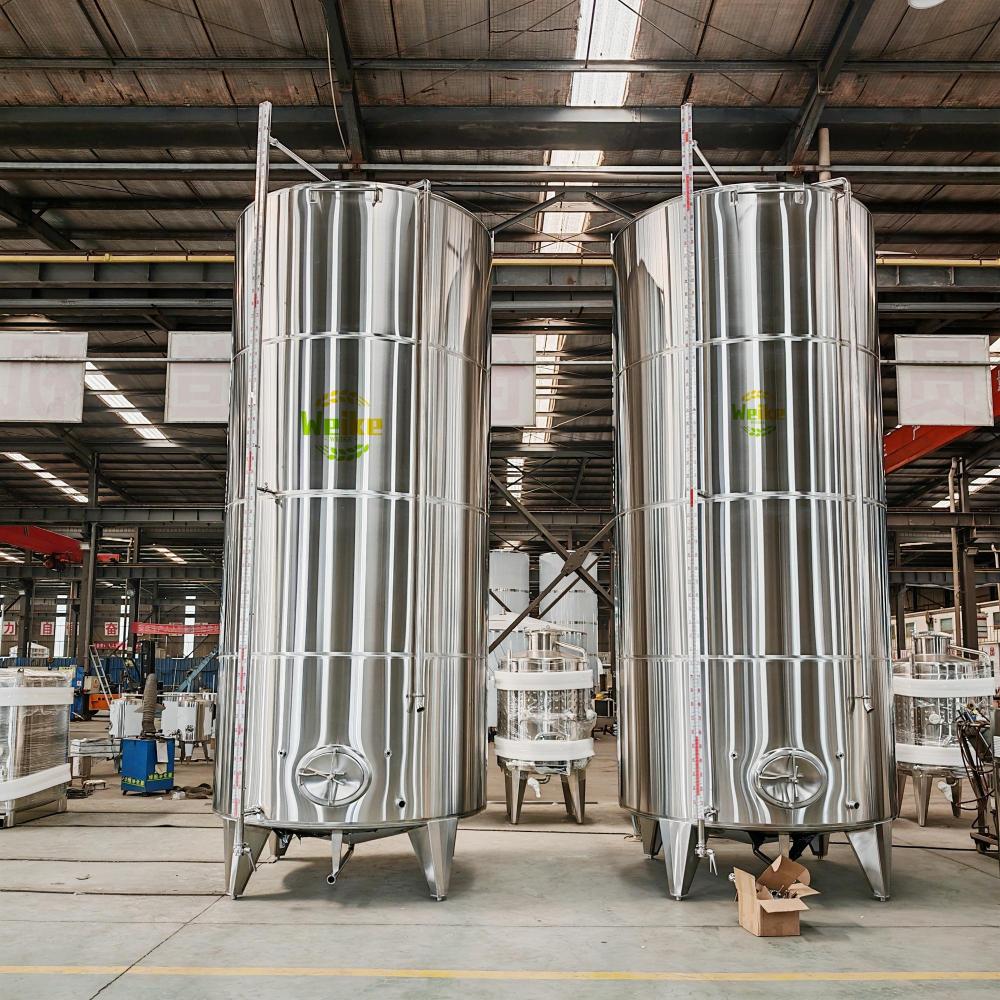
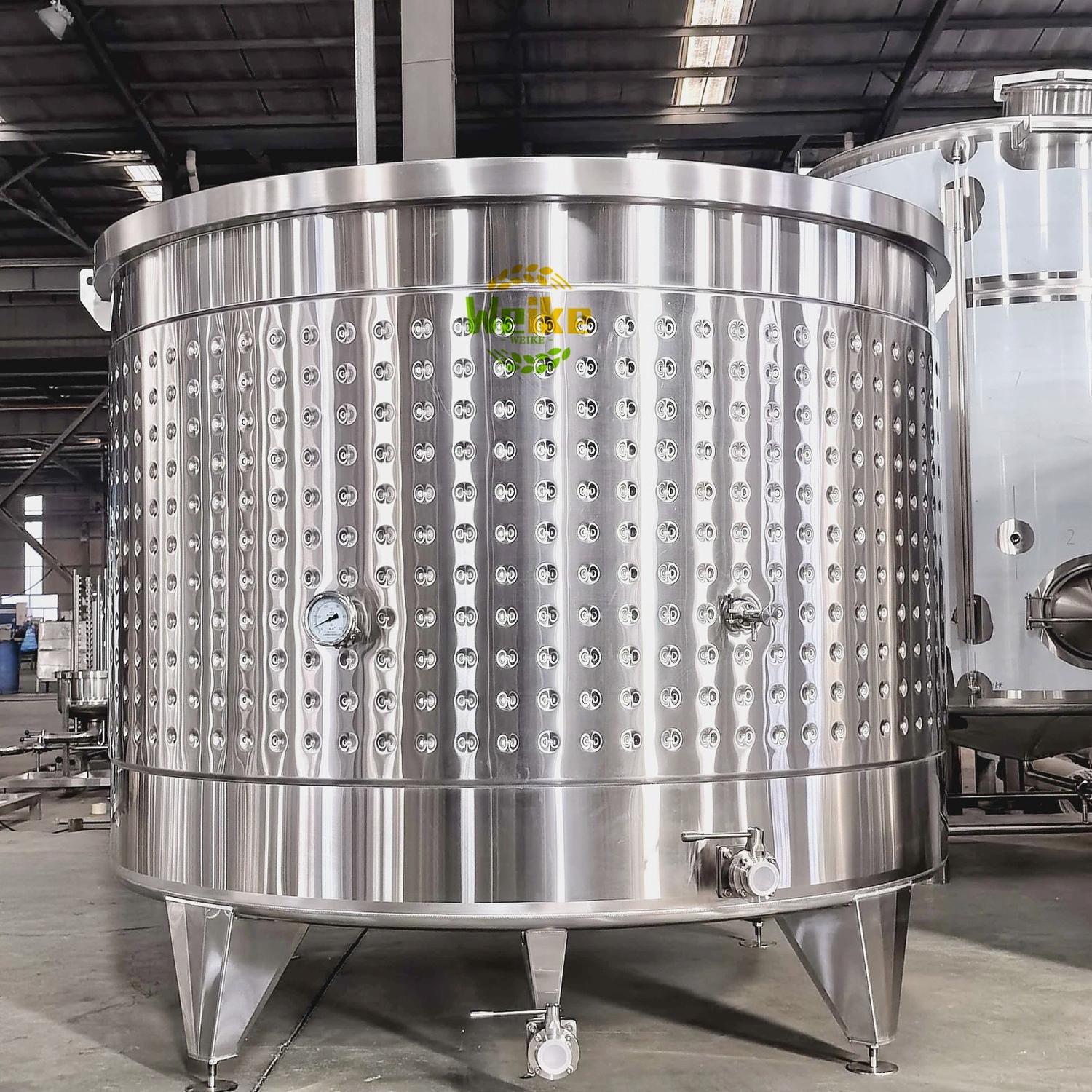
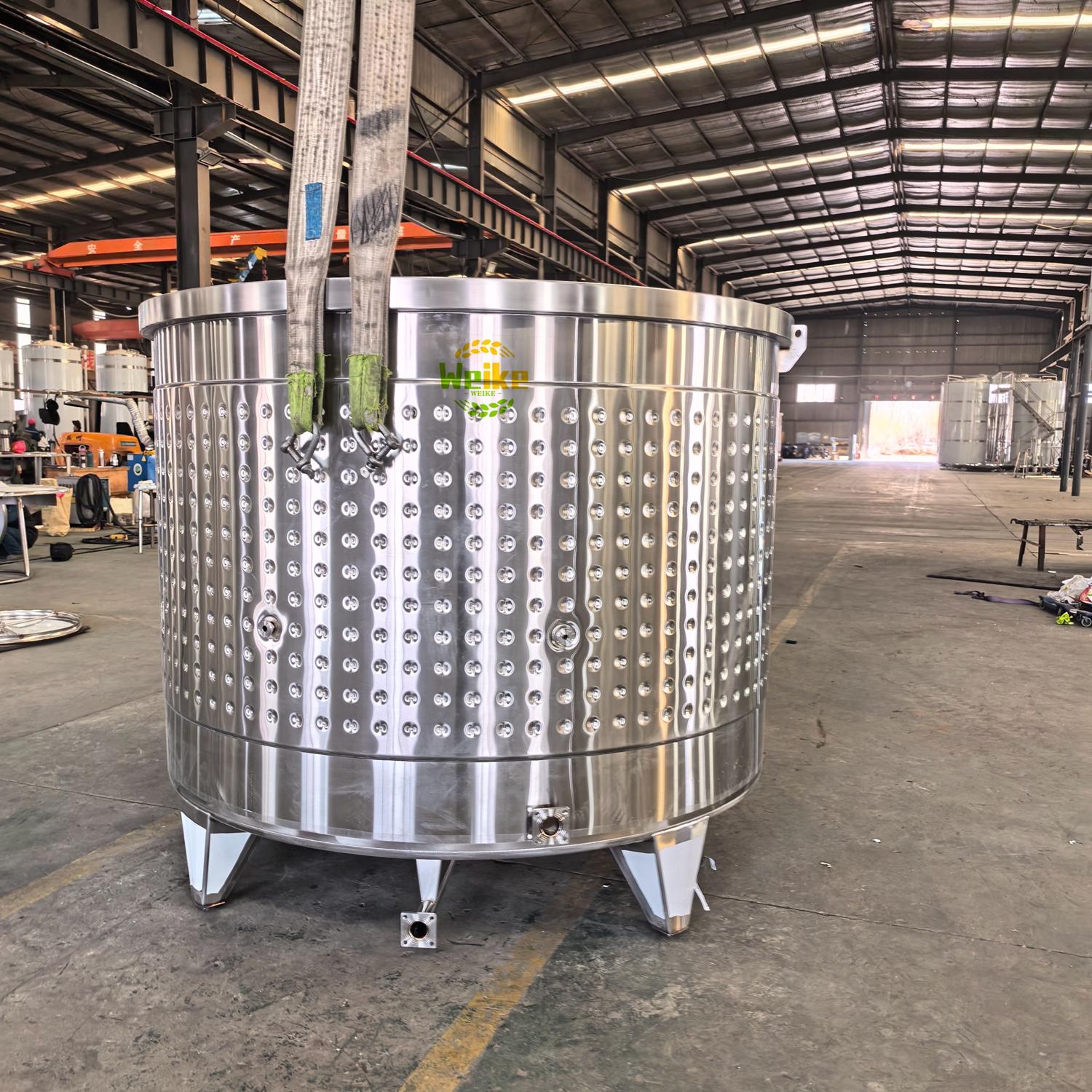
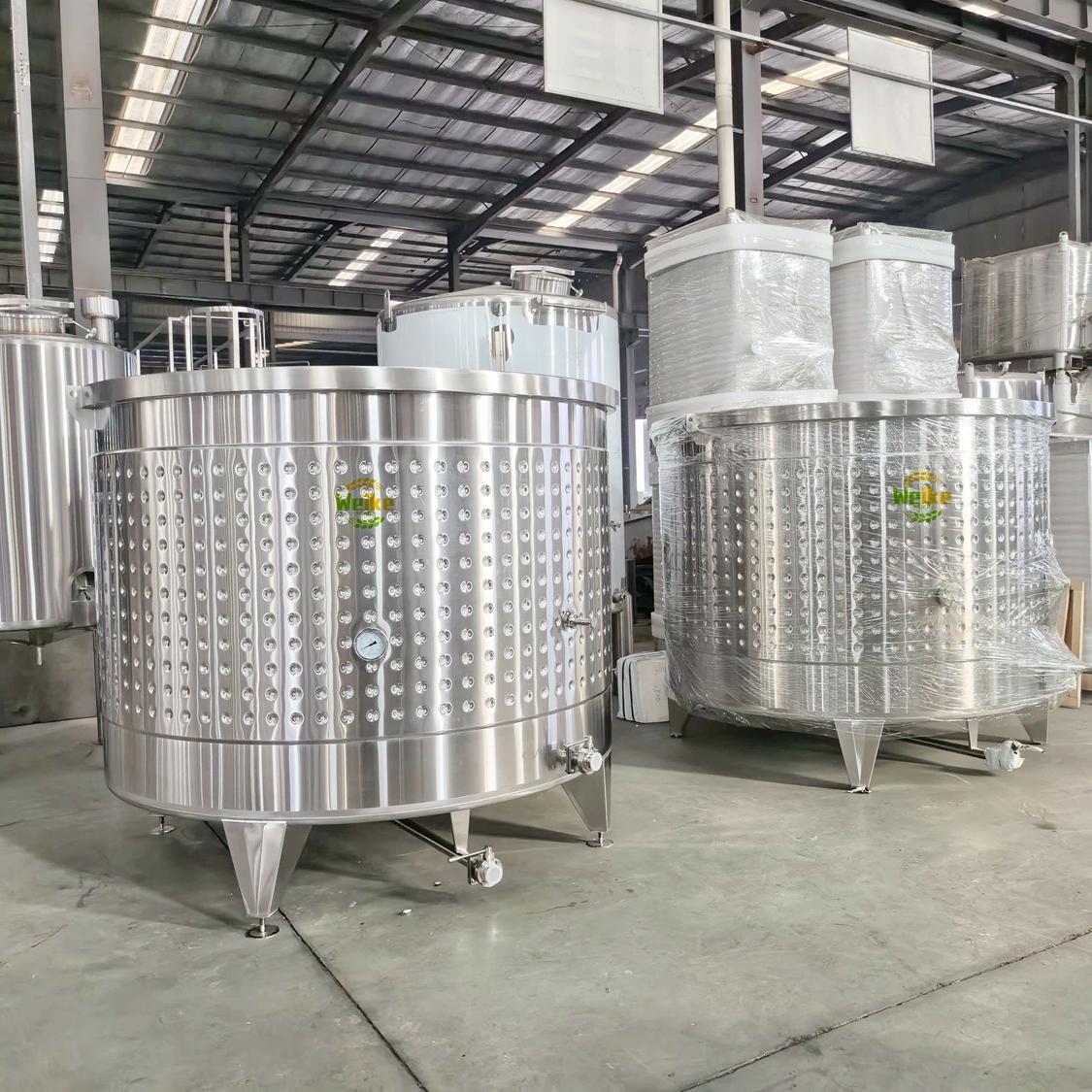
5000L floating lid tanks
PRODUCT DESCRIPTION
Floting lid tanks are also called variable capacity tanks(VC tanks) or variable volume tanks, The floating lid of a floating roof storage tank is a floating top cover that floats on the surface of the storage liquid. It floats up and down with the input and output of the storage liquid. There is an annular space between the floating roof and the tank wall, which has a sealing device to isolate the liquid in the tank from the atmosphere when it floats up and down on the top cover, greatly reducing the loss of the storage liquid during storage;
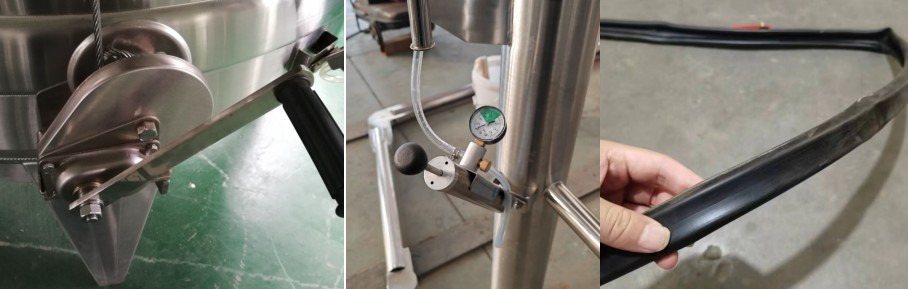
The variable capacity tanks also need to be designed with lifting handle and air pump.
The tanks are also fitting with thicker wall cause the tanks with low pressure
Normally the floating lid is stainless steel 316 material and and air-tight seal.
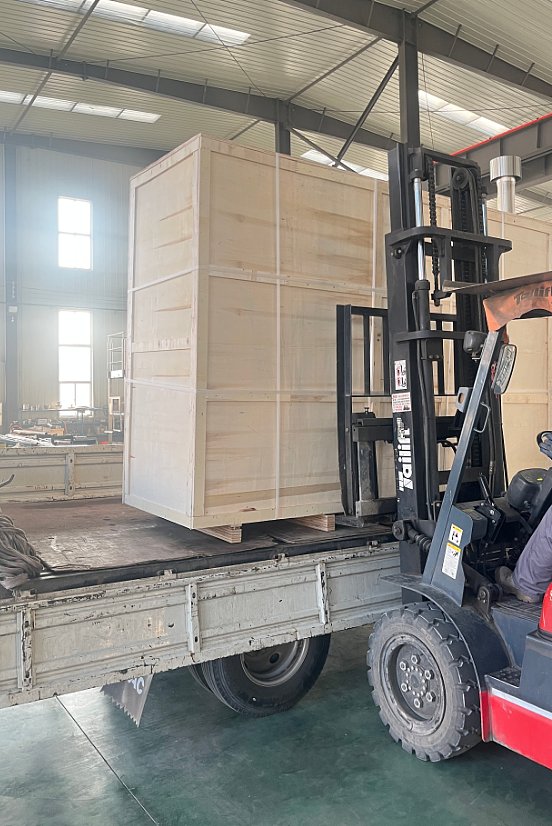
Dimension of forklift transport tanks
Detailed specification list
Key Feature
1. The Roof “Floats” Directly on the Wine Surface
This is the defining feature. The tank has a movable roof (usually made of lightweight aluminum or stainless steel—*critical for wine!) that rises and falls *perfectly with the level of the wine inside. There are no gaps between the roof and the liquid surface when the tank is full.
2. Minimizes Oxidation and Volatile Loss
For wine, this is make-or-break. Unlike fixed-roof tanks, floating roofs eliminate the vapor space (headspace) above the liquid. That means almost no exposure to air (oxygen is wine’s biggest enemy for oxidation, which turns crisp white wines flat or red wines brown and dull) and no loss of precious volatile aromas (like the floral notes in Riesling or the fruity esters in Pinot Noir). In industry terms, we call this “zero headspace operation” when the tank is full.
3. Excellent Sealing Systems (Food-Grade!)
The edge of the floating roof is sealed tightly against the tank’s inner wall. For wine tanks, we don’t use the heavy industrial seals (like those for oil). Instead, we use food-grade elastomer seals (e.g., FDA-approved nitrile or silicone) that are flexible, non-toxic, and won’t leach any off-flavors into the wine. Some designs also have a secondary seal for extra protection against air infiltration.
4. Stainless Steel Construction (Standard for Wine)
While floating roofs for oil might use carbon steel, wine floating roof tanks are almost always made of 304 or 316 stainless steel—both the tank shell and the floating roof. Stainless steel is corrosion-resistant (wine is acidic, so it would eat through carbon steel), easy to clean (critical for preventing cross-contamination between vintages or grape varieties), and inert (no reaction with the wine, so it preserves the original flavor profile).
5. Smooth, Gentle Movement for Delicate Wines
The floating roof is designed to move slowly and evenly as wine is added or pumped out. There’s no turbulence or splashing that could agitate the wine—important for young wines that are still settling, or for sparkling wines that are undergoing secondary fermentation in the tank. Some models have guide poles to keep the roof centered, so it never rubs against the tank walls and creates sediment.
6. Cost-Effective for Large-Volume Storage (Without Sacrificing Quality)
For wineries that need to store thousands of gallons of wine (e.g., for bulk aging before bottling, or for reserve wines), floating roof tanks are a great middle ground. They’re cheaper than small, individual oak barrels (which are expensive and labor-intensive) but offer far better quality protection than fixed-roof tanks. They’re also easier to maintain than flexible bladder tanks (which can tear and are hard to clean thoroughly).
7. Ventilation for Safety (But Controlled!)
Even though there’s no headspace, floating roof tanks have small, flame-arrestor vents (for outdoor tanks) or pressure relief valves (for indoor tanks) to handle minor pressure changes (e.g., from temperature fluctuations in the winery). For wine, this is important to prevent the tank from becoming over-pressurized (which could push the roof up too far) or under-pressurized (which could cause the roof to collapse slightly)—both of which would introduce air and ruin the wine.
Quick Bonus: Why Floating Roof Tanks Are Better Than Fixed-Roof Tanks for Wine (In Simple Terms)
If you’re a winemaker, you’d never use a fixed-roof tank for long-term storage—because fixed-roof tanks have a big air gap above the wine. Every time you pump wine out, more air is drawn in. Over time, that air oxidizes the wine, makes it taste stale, and destroys the delicate aromas. Floating roof tanks solve that problem completely—and they’re perfect for large batches where you can’t check every barrel every day.
Would you like me to rephrase this into a more casual conversation (like a winemaker talking to a colleague) or a more formal industry report (like for a winery’s engineering manual)? Just let me know!
Get a quote
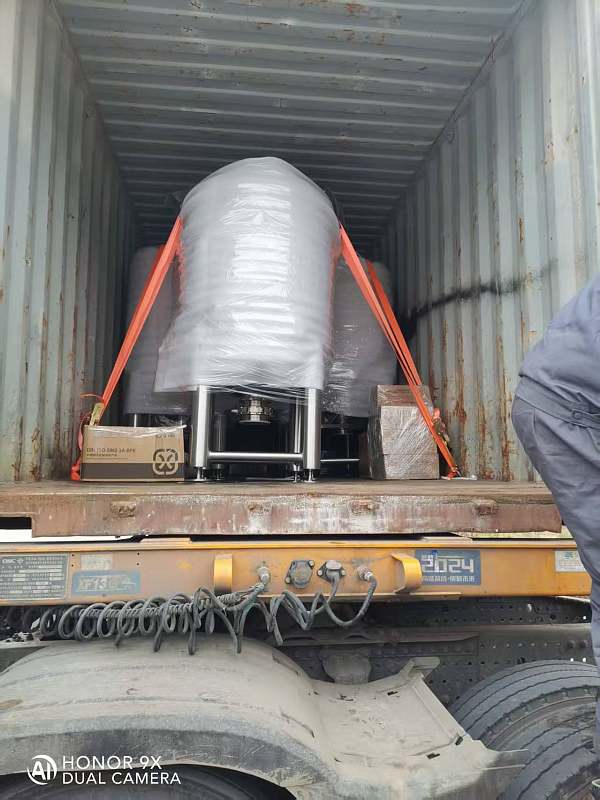
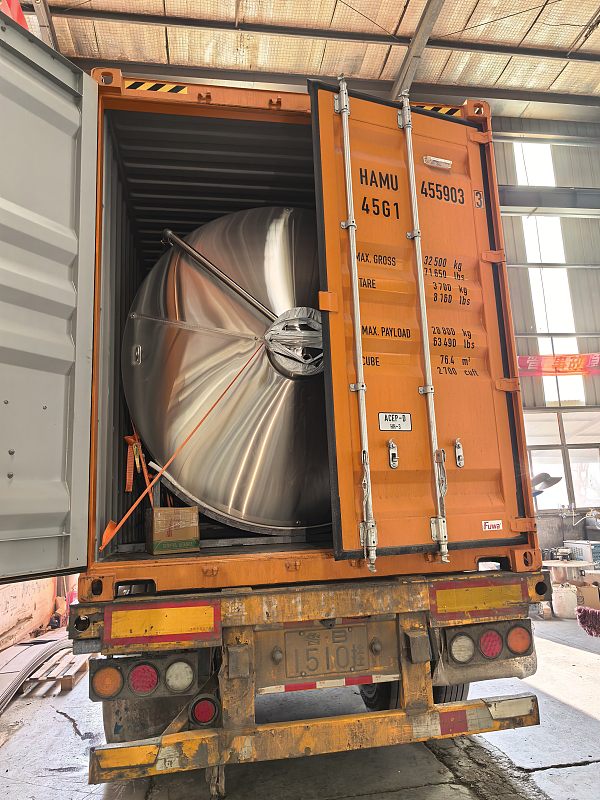
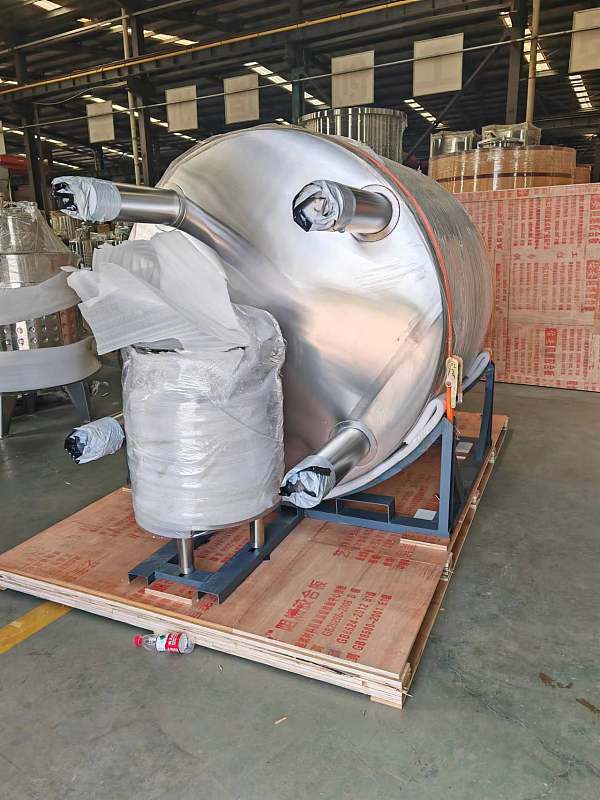
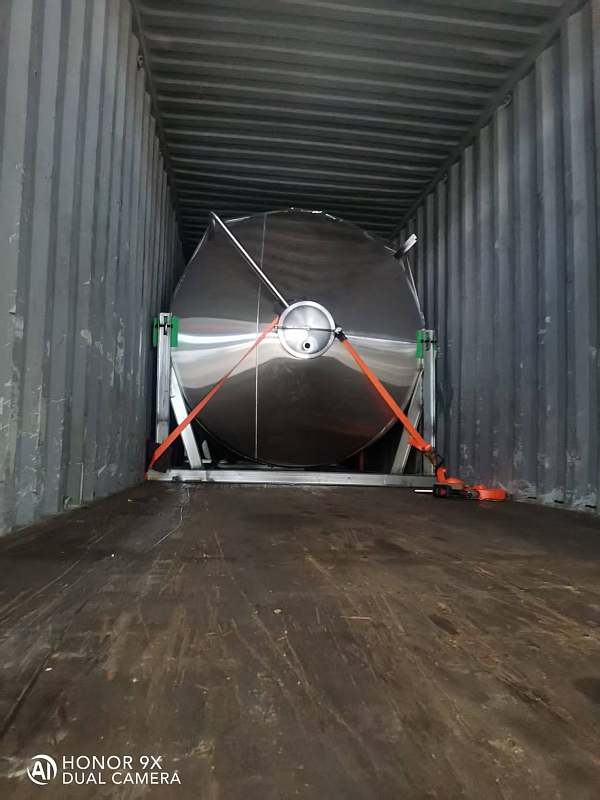
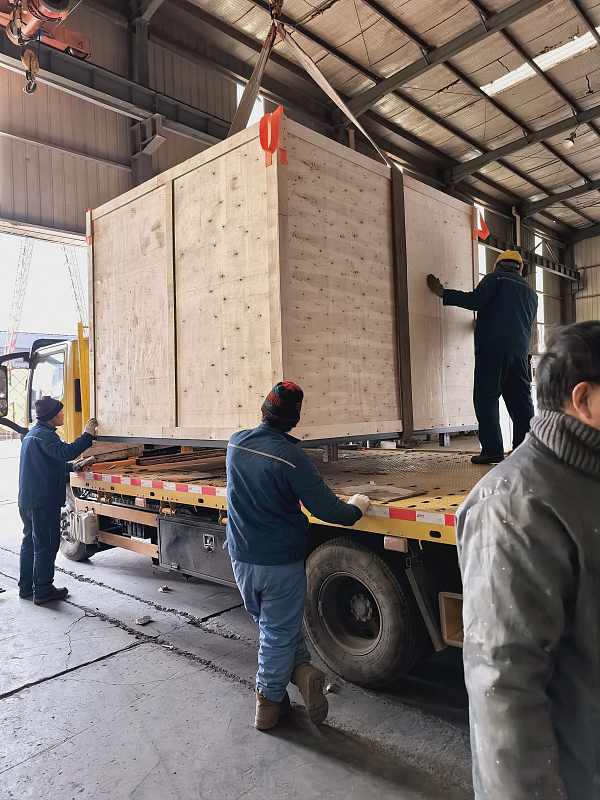
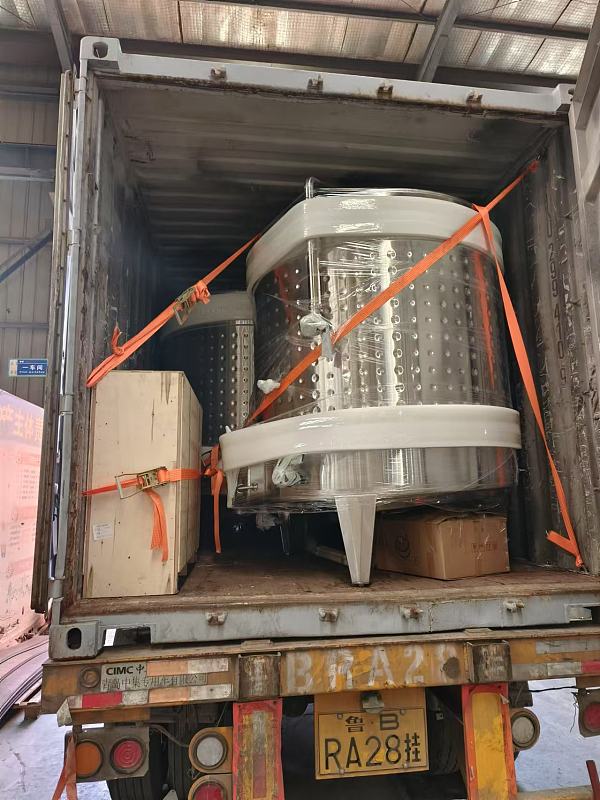
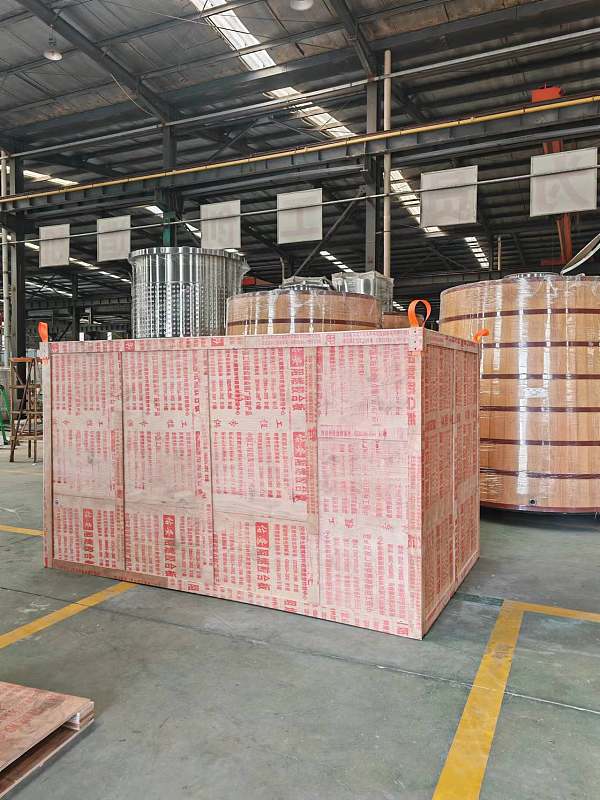
Packing and shipping