PRODUCTS
‹
›
‹
›
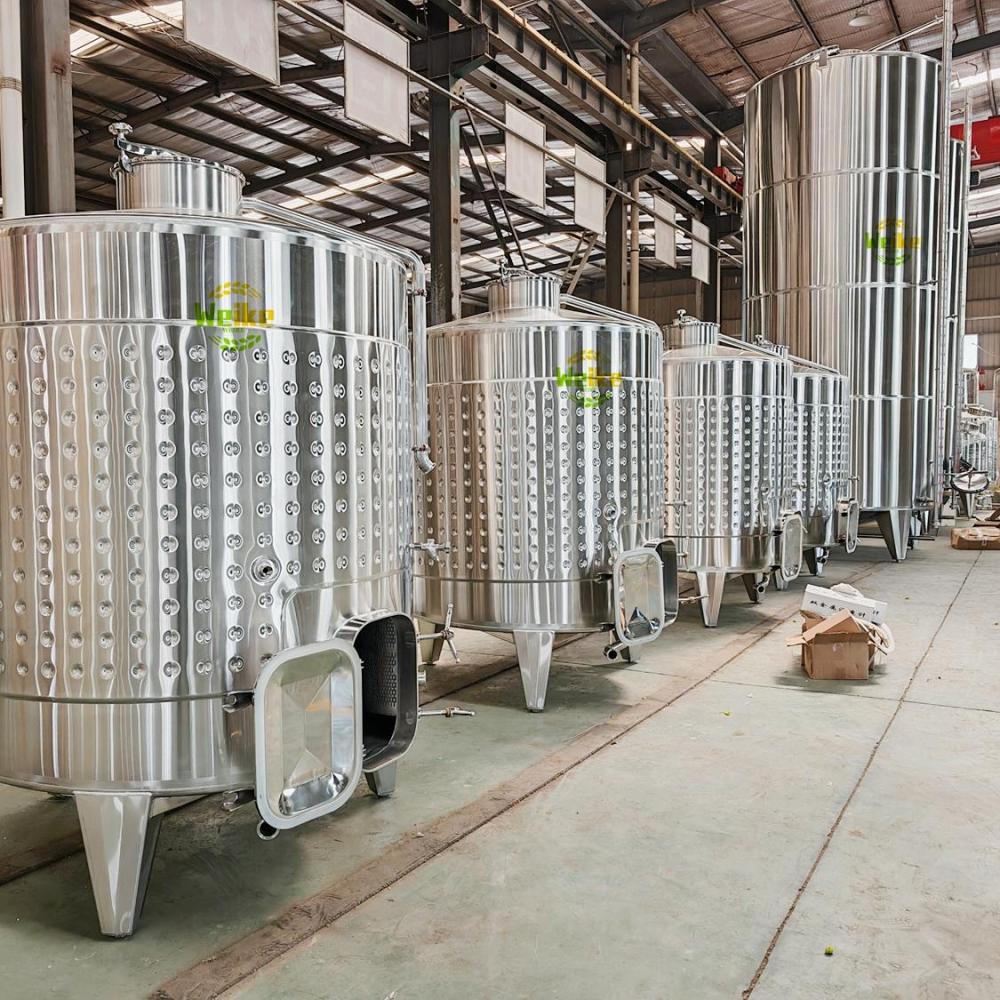
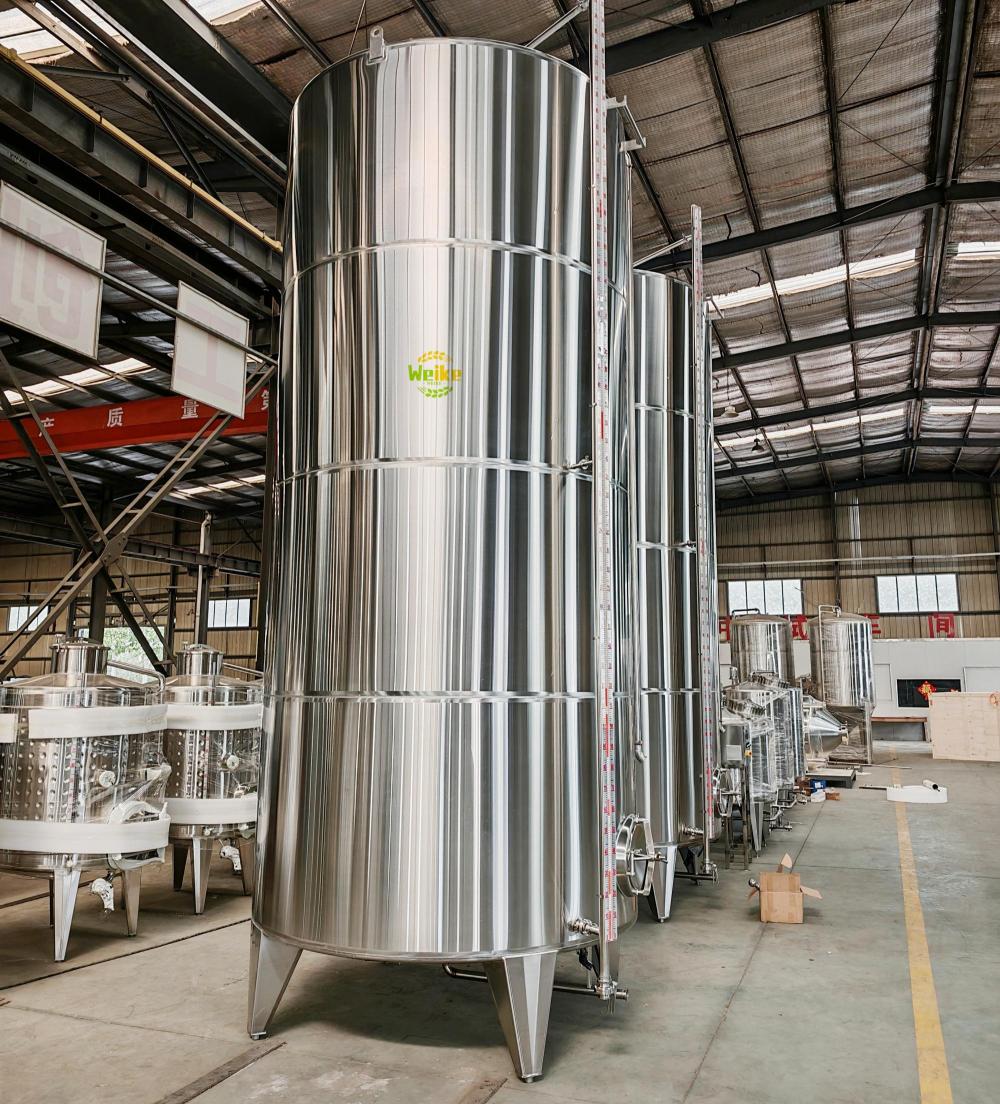
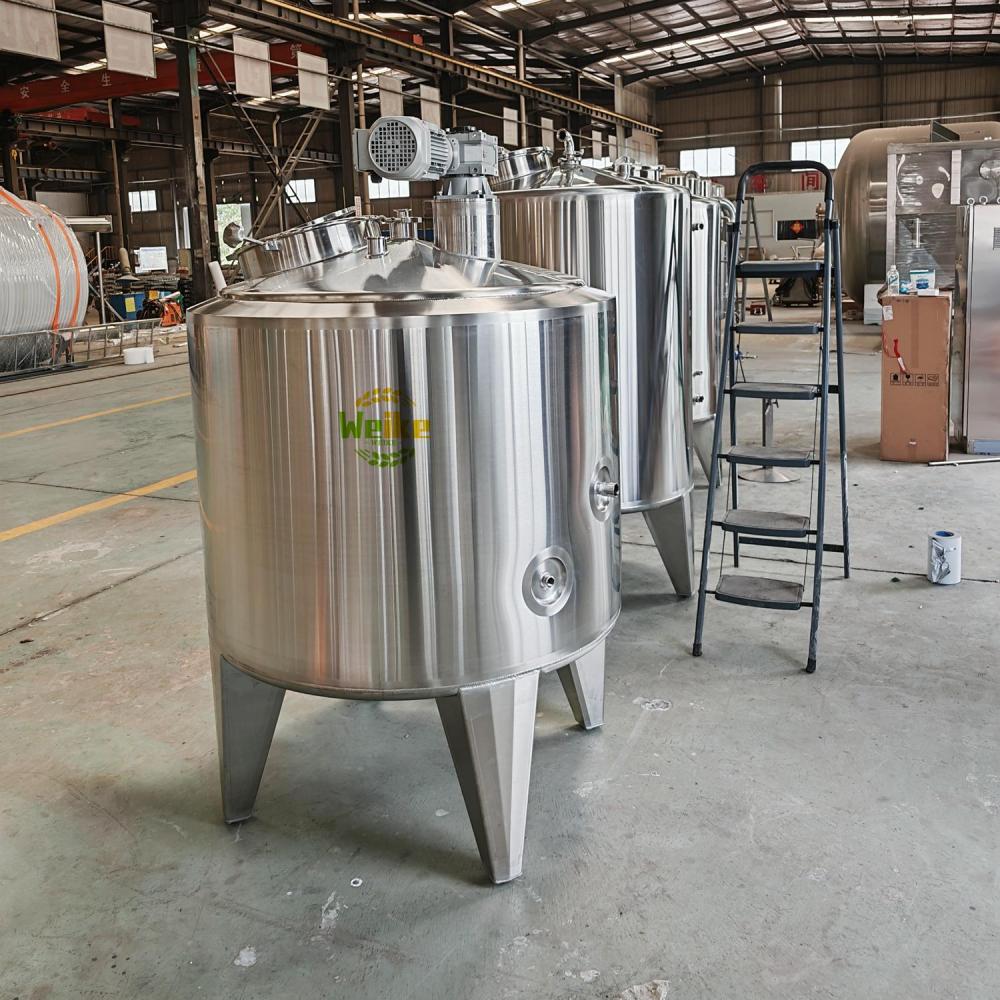
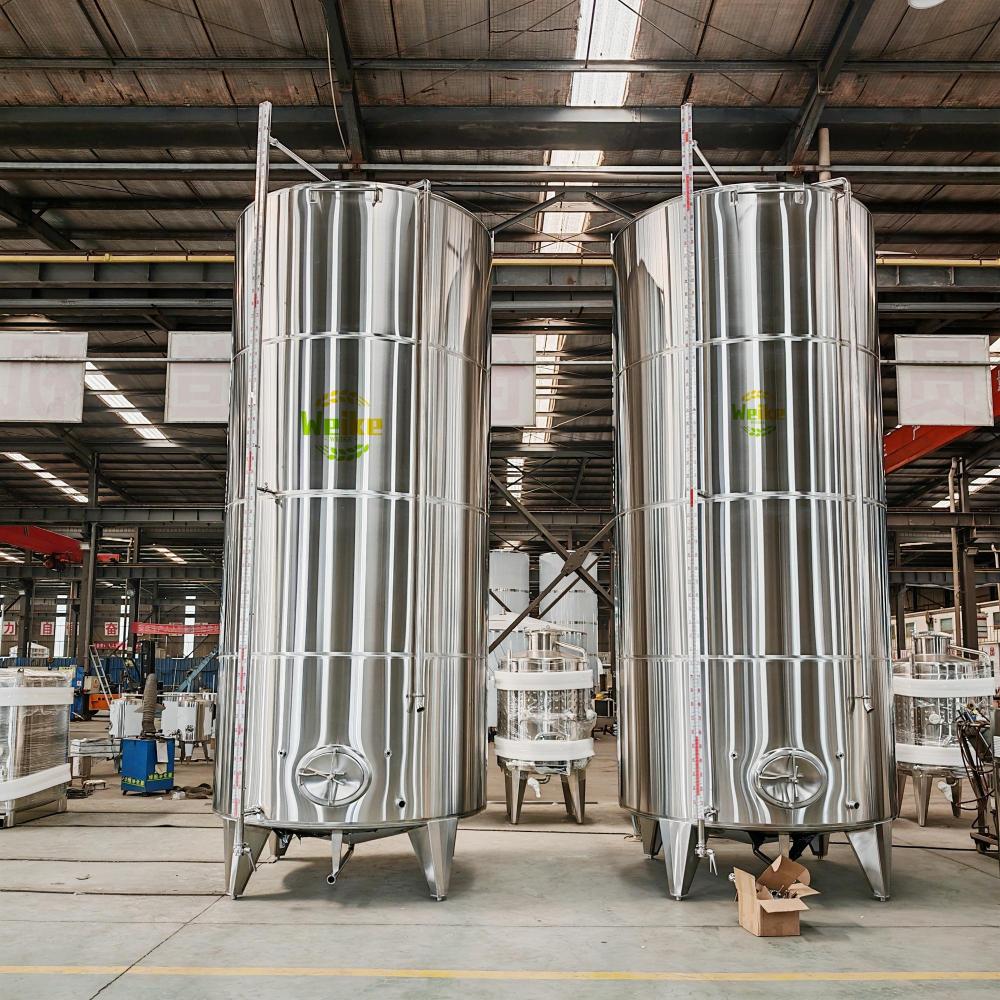
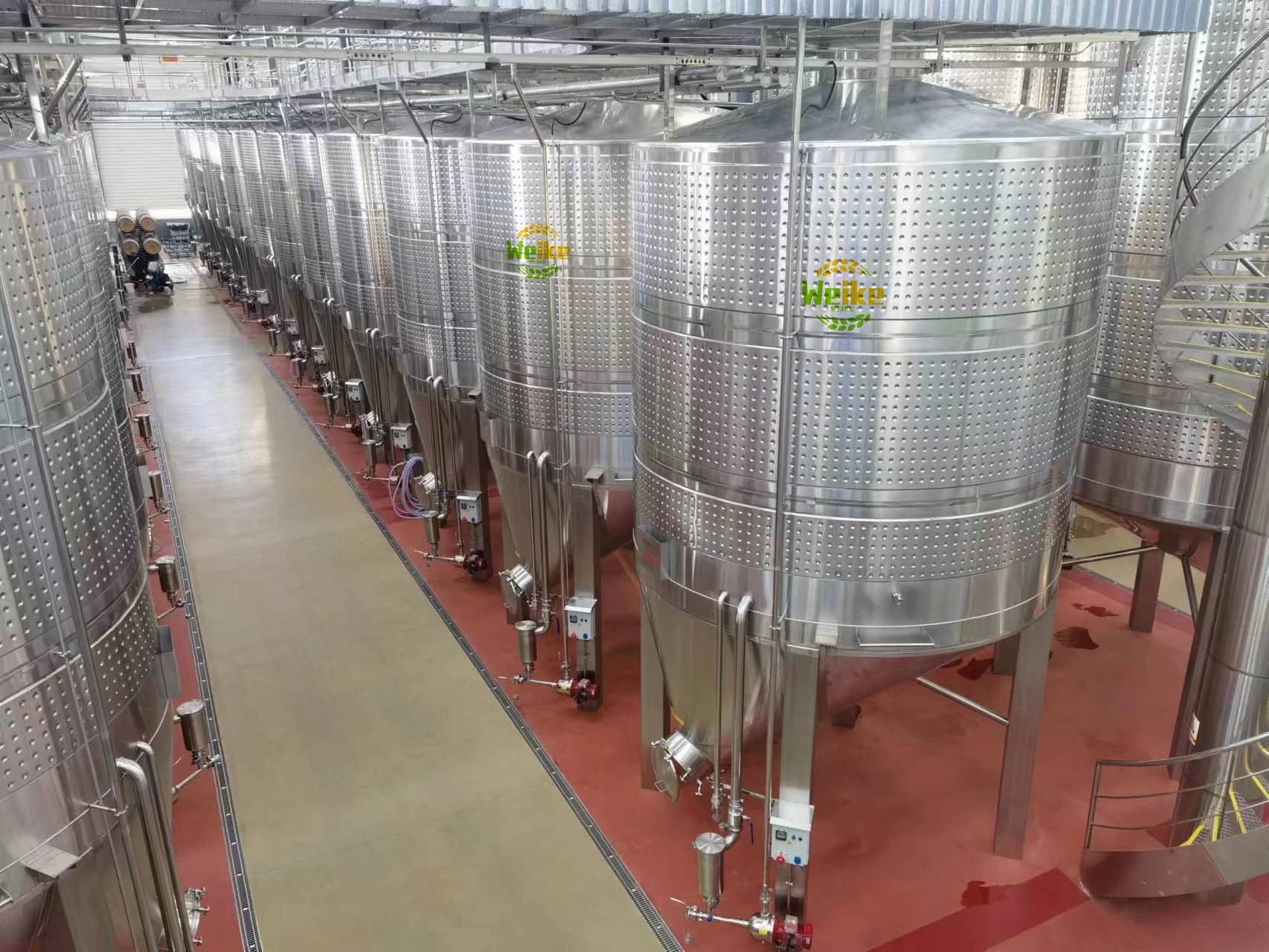
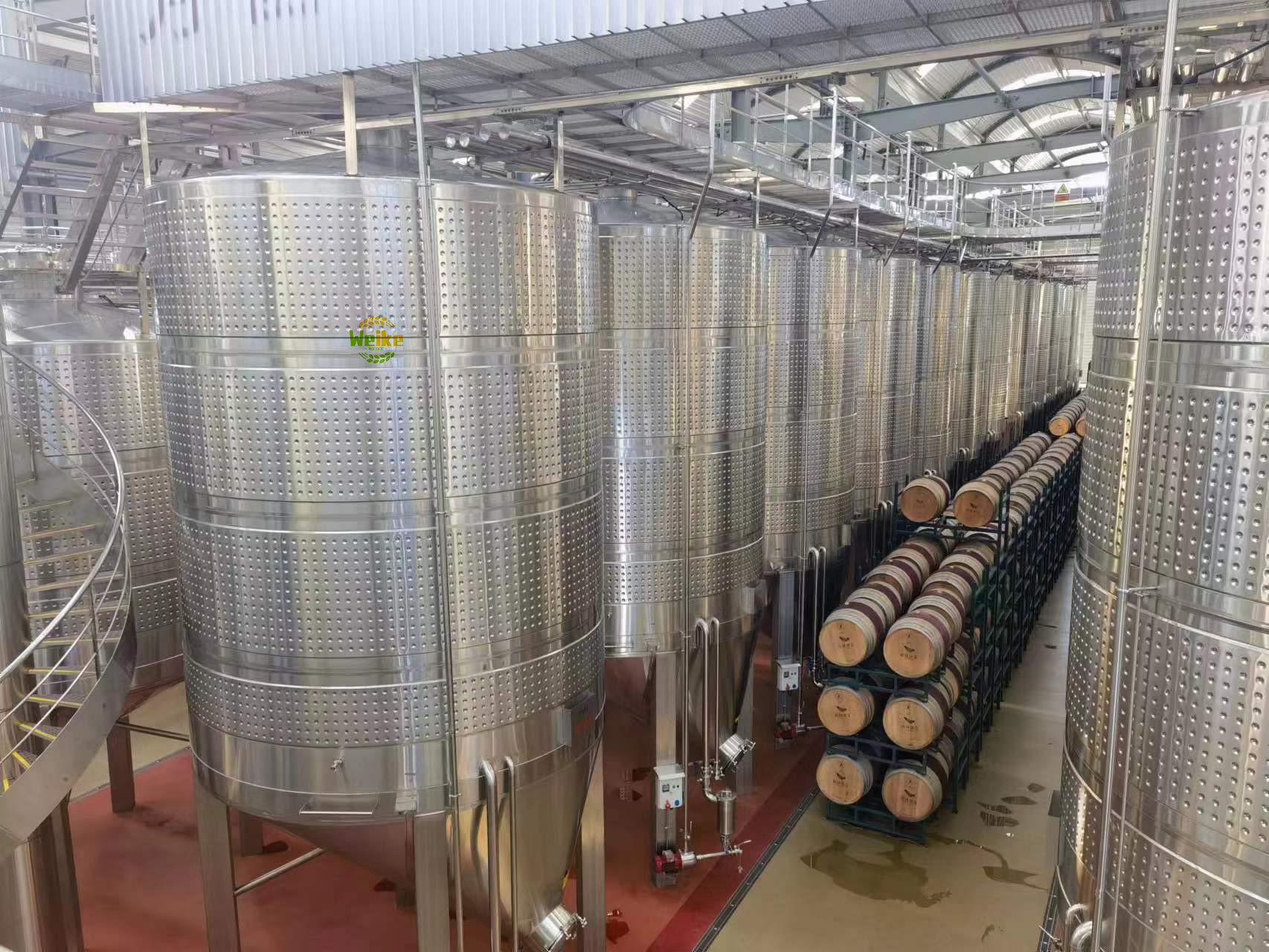
Bottom shaped wine tanks
PRODUCT DESCRIPTION
• Flat Bottom: As the most basic design, flat-bottom wine tanks have a vertical cylindrical body and a flat bottom. They are versatile and suitable for various fermentation styles and are commonly used in private and small cellars.
• Sloped Bottom: Sloped-bottom wine tanks usually have a 5% inclination. This design is conducive to the settlement of solids such as grape skins and sediments, making it easier to clean the tank. They are suitable for wines with more solids, such as red wines and ciders.
• Conical Bottom: Conical-bottom wine tanks have a cone-shaped bottom, which can better separate solids like yeast and sediment from the wine after fermentation is complete. They are widely used in red wine fermentation, which helps to promote the efficient extraction of color and tannins.
• Dish Bottom: Also known as round bottom, the dish bottom is curved, and there is a "dish" or "pocket" at the front. This shape can better isolate sediments and other solids, and is often used in some large-capacity wine tanks.
Dimension of Bottom shaped wine tanks
Detailed specification list
Key Feature
1. Maximized Space Utilization
This is the defining advantage of square tanks. Unlike cylindrical tanks, which leave wasted triangular gaps when placed side-by-side, square wine fermentation tanks fit together like puzzle pieces—100% of your warehouse floor space is usable. For small wineries, urban micro-wineries, or homebrewers with tight garages, this is a game-changer: you can fit 20–30% more fermentation capacity in the same area compared to cylindrical tanks of the same volume. The square shape also stacks more efficiently when empty—no rolling or awkward balancing, just straight, stable stacks that take up minimal vertical space.
2. Uniform Heat Distribution & Efficient Cooling Jackets
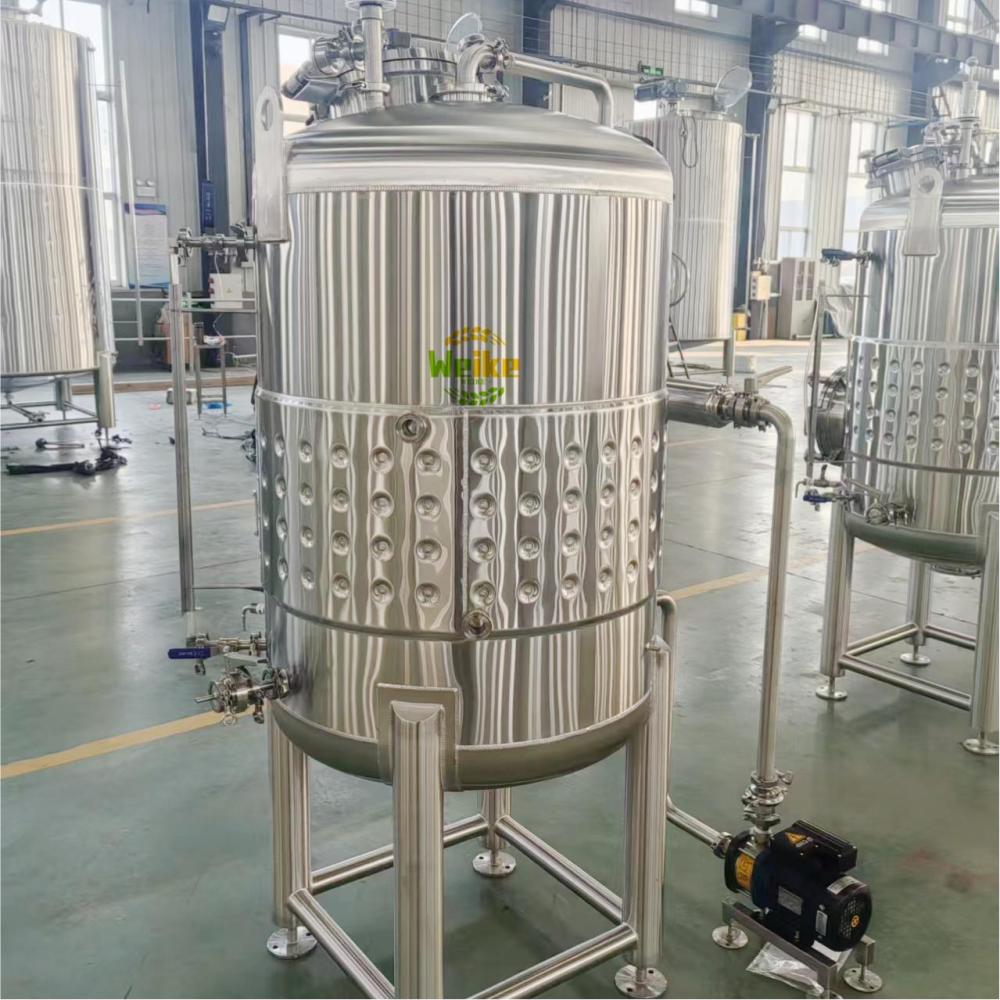
Square tanks have a flat, consistent surface area that makes cooling/heating jackets far more efficient than those on cylindrical tanks. The double-walled jackets (standard for fermentation) cover the four straight sides and the flat bottom, creating no cold/hot spots—a common problem with cylindrical tanks, where the curved sides can leave uneven temperature zones. For winemakers, this means:
◦ Red wines ferment at a steady 22–28°C, with consistent color and tannin extraction from skins.
◦ White wines stay cool at 10–18°C, preserving delicate floral and fruity aromas without fluctuation.
The flat surfaces also make it easier to install integrated temperature probes—you can place them in the four corners and the center to monitor uniformity, which is harder to do with curved cylindrical tanks.
3. Durable, Easy-to-Clean Construction (With Square-Specific Design Tweaks)
Like all wine tanks, square fermentation tanks are made of 304/316 food-grade stainless steel (316 is preferred for acidic wines or frequent batch changes). But they have square-specific features that make cleaning even easier:
◦ Rounded corners (not sharp): All commercial square tanks have slightly rounded corners (usually 2–3 inches radius) to prevent grape skins, yeast, or bacteria from building up in hard-to-reach crevices. This is a critical design tweak—sharp corners would be a hygiene nightmare!
◦ Flat bottom with central drain: Most square tanks have a flat bottom with a slight slope toward the central bottom drain valve, which makes it easy to drain all the wine, pomace, or cleaning solution. There’s no need to tilt the tank or use extra hoses to reach the last bit—you get 98–99% recovery of clear wine, which is even better than cylindrical tanks.
4. Modular & Customizable (Perfect for Small-Batch Craft Wineries)
Square wine fermentation tanks are highly modular and customizable, which is perfect for craft winemakers who want to experiment with different grape varieties or batches. Key customization features:
◦ Stackable lids with interchangeable ports: The flat tops can have stackable lids with interchangeable ports—you can add extra pump-over ports, sampling ports, or airlocks depending on the batch. This is harder to do with cylindrical tanks, where the curved tops have limited space for ports.
◦ Forklift pockets or casters (for portability): Most mid-size square tanks (50–1,000 gallons) have integrated forklift pockets on the sides, or optional casters for smaller tanks (20–50 gallons). This makes them easy to move around the winery—you can roll a small square tank from the press to the fermentation room, or use a forklift to move a larger one, just like cylindrical forklift tanks.
◦ Custom heights & widths: Many manufacturers will make square tanks in custom heights and widths to fit your specific space—for example, if you have a low ceiling, you can get a shorter, wider square tank, or if you have narrow aisles, you can get a taller, narrower one. This level of customization is rare with cylindrical tanks, which are usually limited to standard diameters and heights.
5. Structural Stability (No Extra Support Needed)
Square tanks are surprisingly structurally stable, thanks to their straight walls and flat bottom. Unlike cylindrical tanks, which can bulge slightly under the weight of full wine (especially large ones), square tanks have rigid walls that distribute the weight evenly across the entire bottom. This means you don’t need extra support stands or reinforced flooring—you can place a full square tank directly on a standard concrete warehouse floor, and it won’t tip over or bulge. The square shape also makes it easier to secure the tank to the floor if needed (for example, in areas with earthquakes)—you can drill holes in the four corners and bolt it down, which is harder to do with cylindrical tanks.
Quick Bonus: Trade-Offs of Square Wine Fermentation Tanks (English Industry Real Talk)
Square tanks are great, but they’re not for every winery. Here are the main downsides you need to know:
1. Higher initial cost: Square tanks are more expensive to manufacture than cylindrical tanks, because the straight walls and rounded corners require more precise welding and finishing. You’ll pay 10–15% more for a square tank of the same volume as a cylindrical one.
2. Not ideal for large-scale commercial operations: For wineries that need tanks larger than 5,000 gallons, square tanks become impractical. The larger the square tank, the thicker the walls need to be to support the weight, which makes them heavy, expensive, and hard to move. Cylindrical tanks are still the best choice for large-scale commercial fermentation.
3. More noise during fermentation: The straight walls of square tanks can amplify the sound of fermentation (the bubbling and hissing of CO₂ gas) more than cylindrical tanks, which have curved walls that absorb sound. If you have a tasting room near your fermentation room, square tanks might be too noisy for your customers.
Get a quote
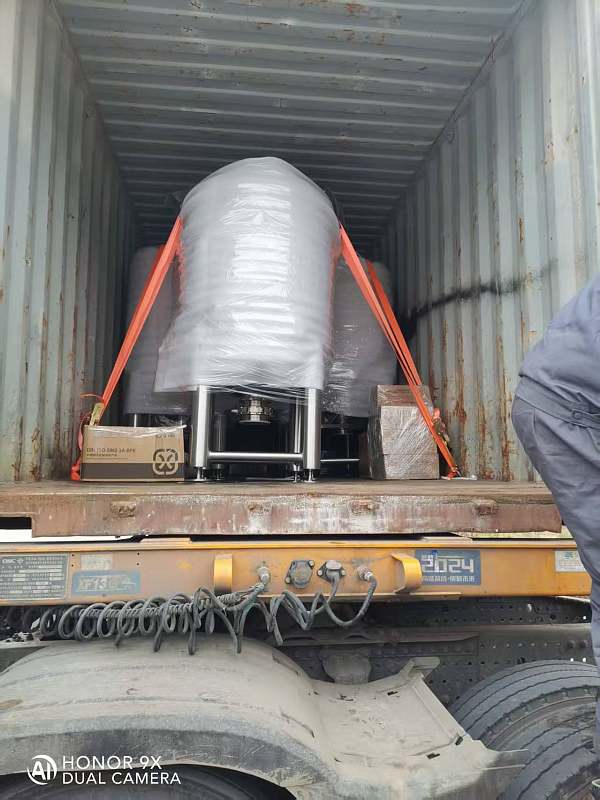
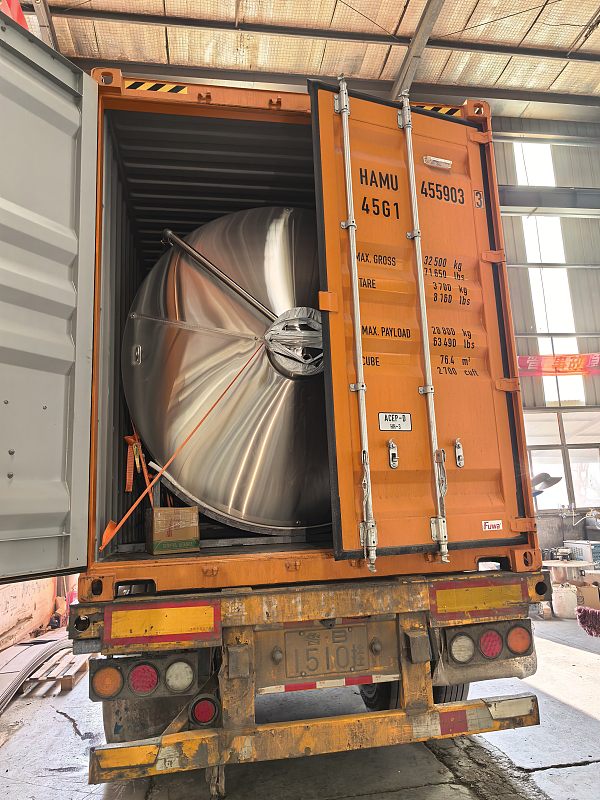
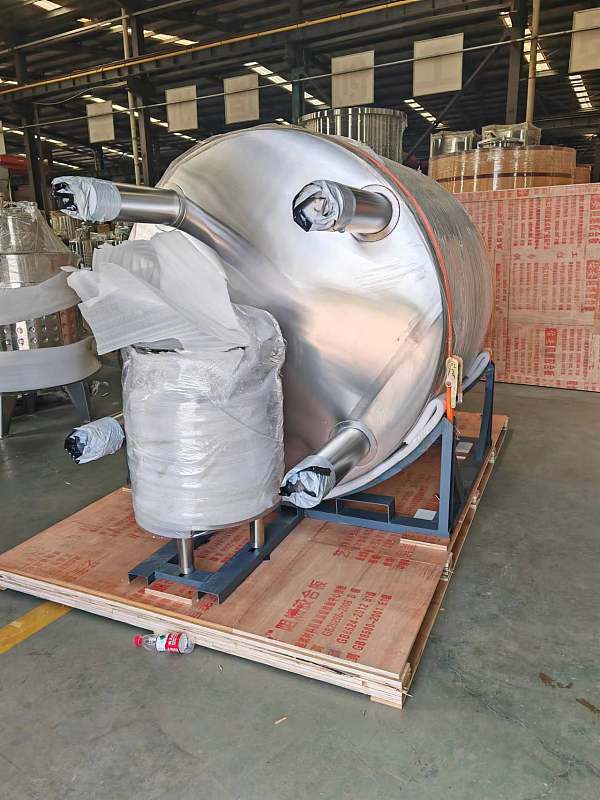
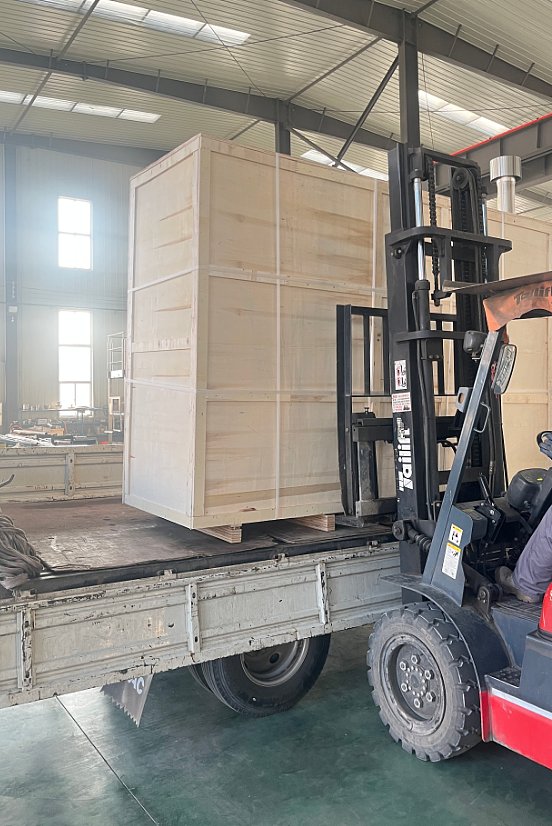
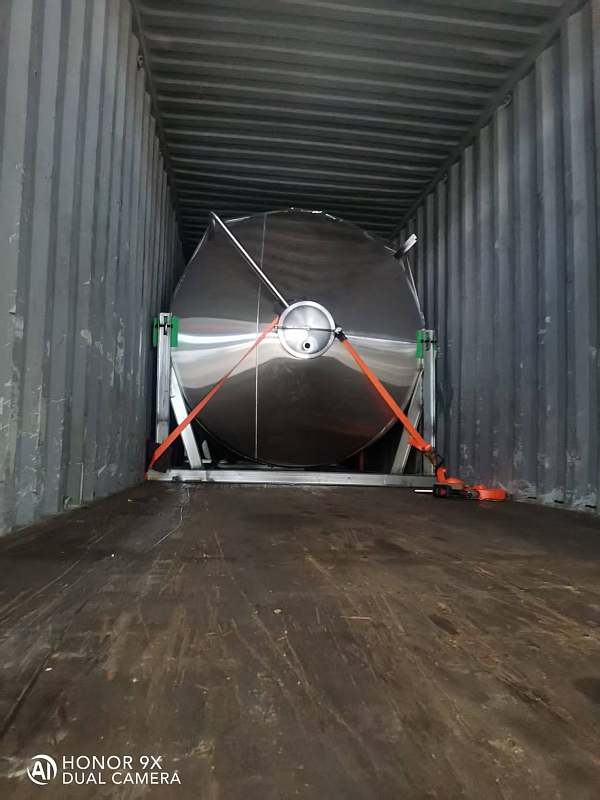
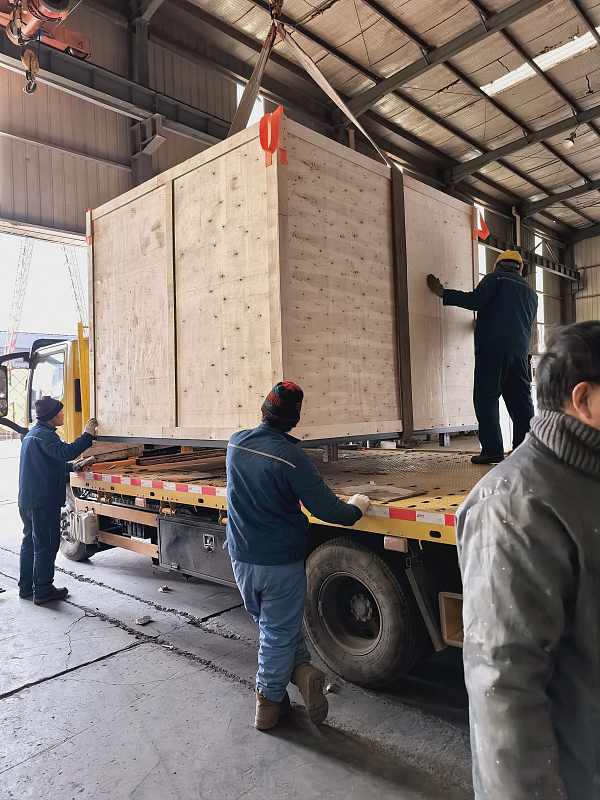
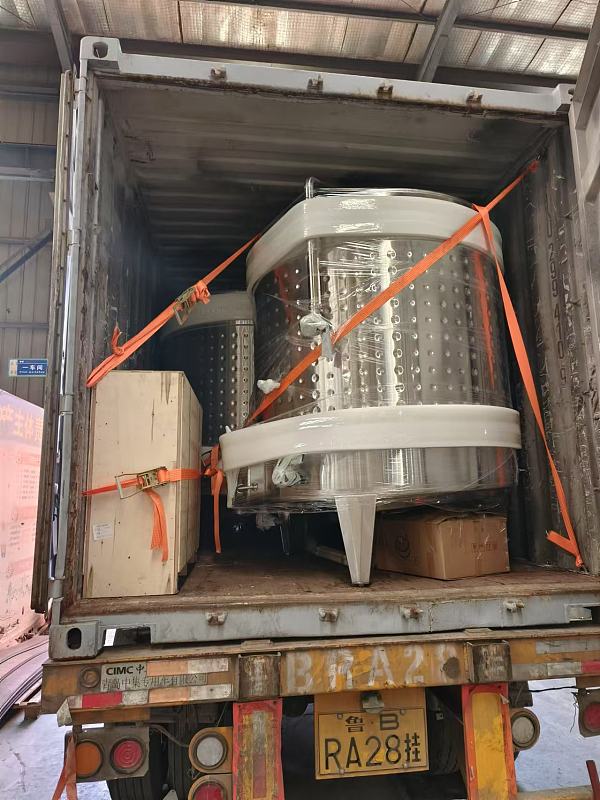
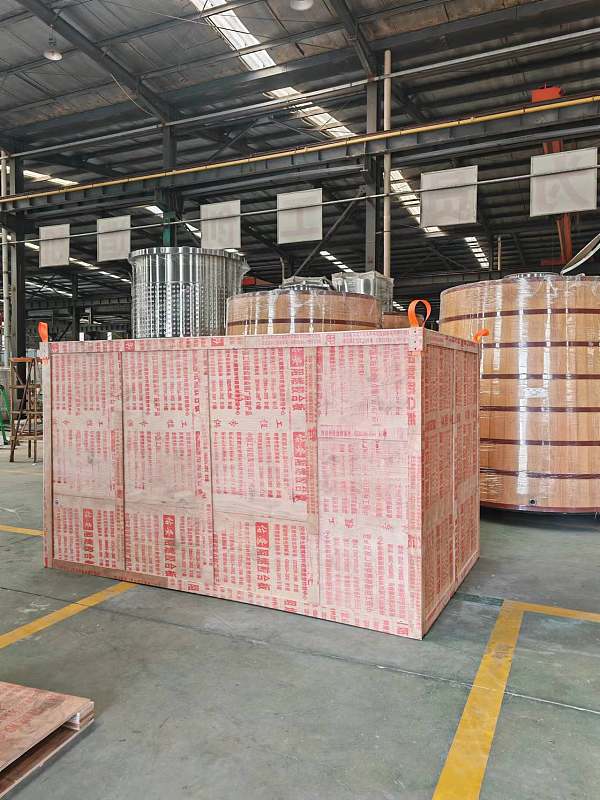
Packing and shipping