PRODUCTS
‹
›
‹
›
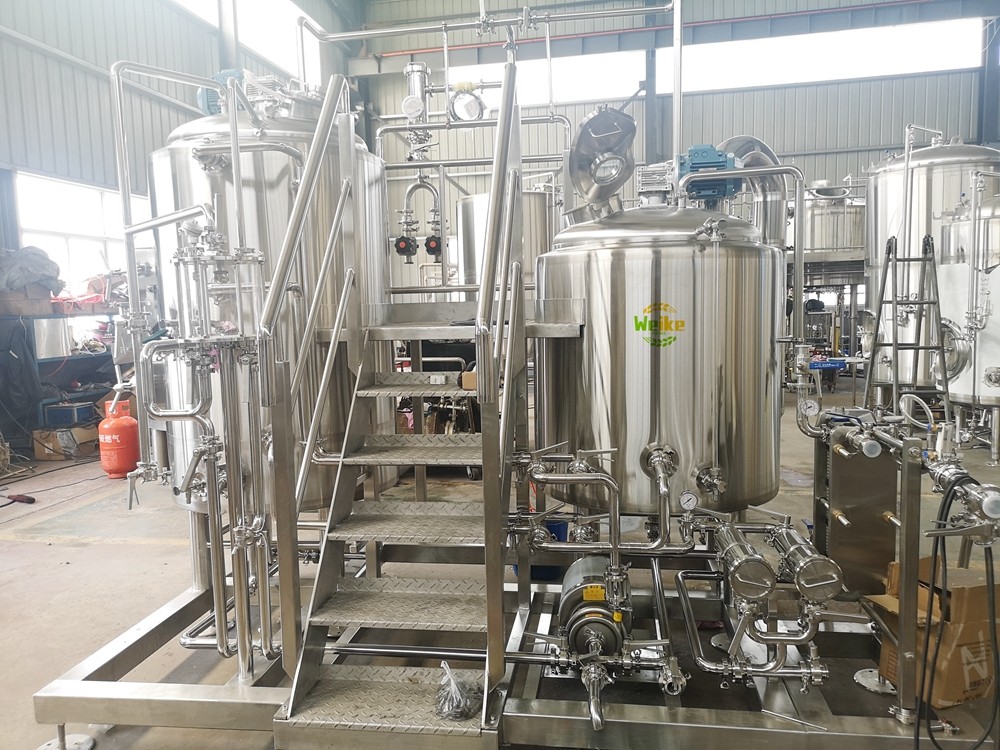
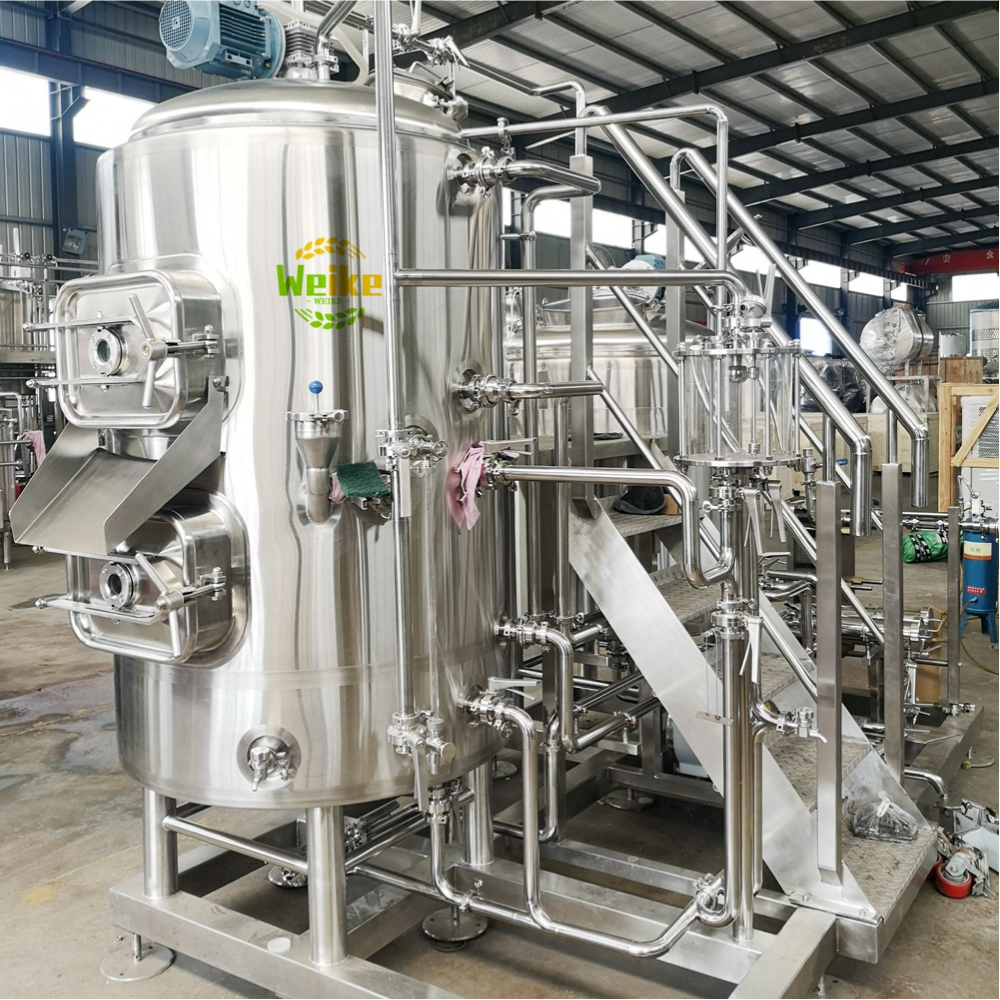
craft beer brewing system for brewpub
It is the first “true commercial” scale that balances production volume, operational efficiency, and brand flexibility—and clearly contrast it with the 100L/200L small-scale gear we discussed earlier.
PRODUCT DESCRIPTION
It is the first “true commercial” scale that balances production volume, operational efficiency, and brand flexibility—and clearly contrast it with the 100L/200L small-scale gear we discussed earlier.
Detailed specification list
Main Feature
1. Commercial-Grade Output with Strategic Batch Flexibility
The defining trait: 3x the output of 100L, 1.5x that of 200L—but still small enough to avoid the “mass-production homogenization” of 1000L+ systems. Practical use cases:
Microbrewpubs (Expanding): Supply 8–10 core taps and 2–3 rotating seasonal/experimental taps (vs. 4–5 cores for 200L) — perfect for building a loyal customer base with diverse offerings.
Entry-Level Commercial Breweries: Produce 1,200–1,800L of beer monthly (4–6 batches/week) — enough for consistent wholesale to local bars, restaurants, and bottle shops, with room to grow.
Contract Breweries: Offer small-batch contract brewing for local homebrewers or startup brands (300L is the minimum batch size many new brands prefer for market testing).
Unlike 200L setups, 300L systems are designed for serial batch production (brewing the same core style 2–3 times weekly) without sacrificing the ability to switch to experimental styles between runs—a critical balance for craft breweries.
2. Full Modular, Process-Dedicated Design (All-In-One Does Not Exist)
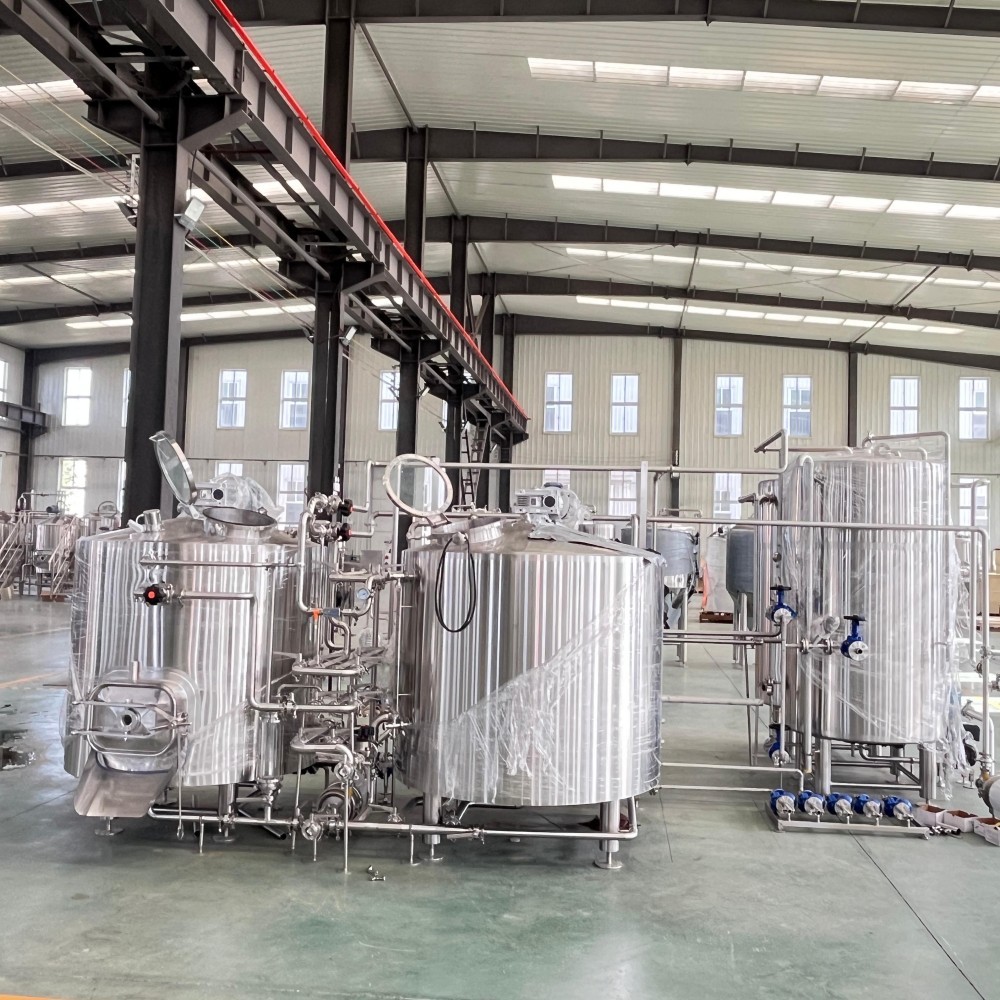
At 300L, all-in-one systems are functionally obsolete—the scale demands fully modular, dedicated vessels that enable parallel processing and streamline commercial workflows. A standard setup includes:
Mash Tun (300L) + Lauter Tun (300L): Separate, dedicated vessels (a step up from 200L’s combined mash/lauter tun) — allows for simultaneous mashing of a new batch while lautering the previous one (cuts batch turnaround time by 30–40%).
Boil Kettle (300L) with Hopback: Dedicated boiling vessel with integrated whirlpool, high-capacity heating, and a standalone hopback for dry hopping (maximizes hop utilization and flavor consistency).
Fermenters (300L, 4–6 units mandatory): Double-walled, cooling-jacketed, pressure-rated (2 bar) vessels — designed for simultaneous fermentation of multiple core/experimental batches (e.g., 2 IPA, 1 lager, 1 sour, 2 seasonal) with zero cross-contamination.
Bright Tanks (300L, 2–3 units mandatory): Pressure-rated (3 bar) conditioning/carbonation vessels — non-negotiable for commercial sales (enables consistent carbonation, cold conditioning, and closed transfers to kegs/bottles; extends shelf life by 2–3 weeks vs. 200L setups).
Optional Add-Ons: Wort chiller (plate or counterflow, mandatory for commercial speed), grain mill (commercial-grade, integrated with mash tun), and CIP (Clean-in-Place) system (standard for commercial sanitation).
The modular design also supports infinite scalability: you can add more fermenters/bright tanks, a second boil kettle, or even a dedicated souring tank without replacing the core system (a huge advantage over smaller scales).
3. Heavy-Duty Construction for Continuous Commercial Use 300L equipment is built for daily, high-frequency use (4–6 batches/week, 50+ batches/year) — so construction quality is non-negotiable
4. Precision Process Control with Automated Workflows (Reduces Labor Costs)
300L systems take control to the next level from 200L gear — automation is no longer optional; it’s standard for commercial operations, as it reduces labor costs (1–2 brewers can run a full 300L setup, vs. 2 for a 200L setup) and ensures 100% recipe repeatability (non-negotiable for wholesale customers). Key control features:
Automated Mash/Lauter Control: Digital PLC (Programmable Logic Controller) with touchscreen interface — automates mash temperature ramps, vorlauf recirculation, sparging rate, and lautering time (no more manual monitoring; reduces human error by 80%).
Uniform Fermentation Control: Fermenters have tri-zone cooling jackets (top, middle, bottom) + automated temperature profiling + Wi-Fi/cloud connectivity — ensures zero hot/cold spots (critical for lagers) and lets you monitor/control fermentation from anywhere (taproom, home, vacation). Pressure control is fully automated (1–2 bar) for closed transfers and in-fermenter carbonation.
5. Workflow-Optimized Layout for Commercial Efficiency (Space-Smart, Not Just Space-Small)
300L systems are larger than 200L gear, but they’re designed for commercial workflow efficiency — not just compactness. This means the footprint is optimized to reduce downtime, not just save floor space. Key space features:
Linear Production Line Layout: Standard layout (grain mill → mash tun → lauter tun → boil kettle → wort chiller → fermenters → bright tanks → keg/bottle filler) — creates a seamless, one-way workflow (no backtracking, no crossing hoses, no wasted movement) — critical for 1–2 brewers running 4–6 batches/week.
Compact Commercial Footprint: A full setup (dedicated mash/lauter, boil kettle, 6 fermenters, 3 bright tanks, CIP system, grain mill) takes up only 8–10 square meters of floor space — about the size of a large garage or a small retail store (perfect for urban microbreweries with high rent costs).
6. Economies of Scale (Lower Per-Liter Costs, Higher Profit Margins)
This is the biggest commercial advantage of 300L equipment: economies of scale kick in hard — while absolute energy/water/labor costs are higher than 200L gear, per-liter costs drop significantly (critical for profitable wholesale sales). Key efficiency features:
Energy Efficiency: Thicker walls + better insulation + automated control = 25–30% lower per-liter energy costs than 200L systems (e.g., 300L of IPA uses 1.5x the energy of 200L, but 0.75x the energy per liter).
Water Efficiency: Dedicated lauter tun + automated sparging control = 35–40% lower per-liter water costs than 200L systems (critical for breweries in water-scarce regions or with high water tariffs).
Get a quote
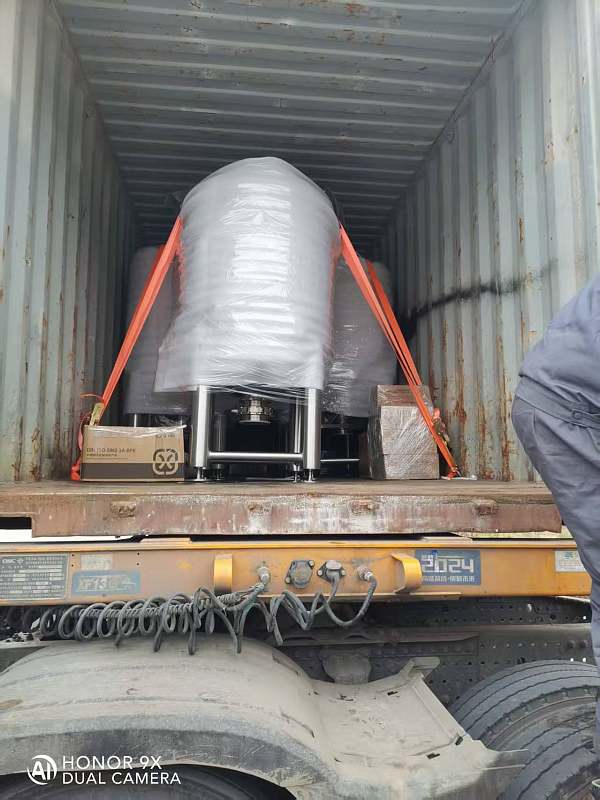
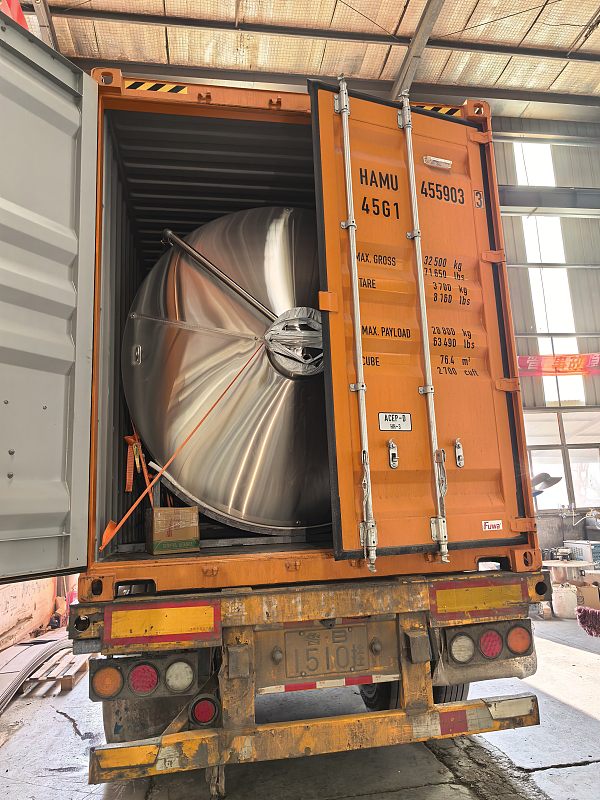
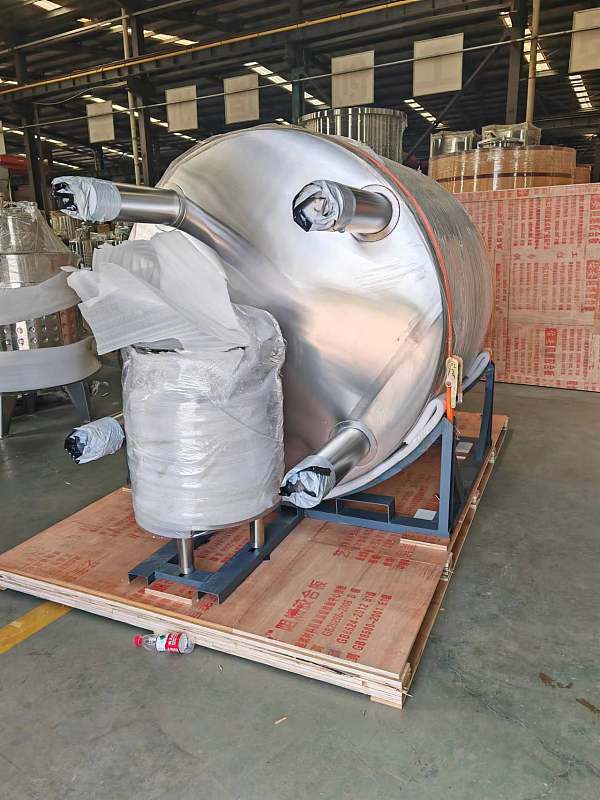
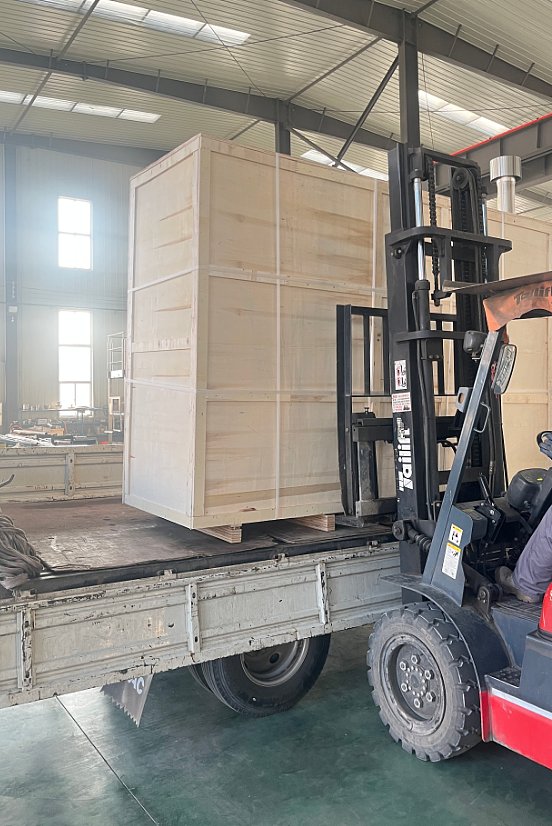
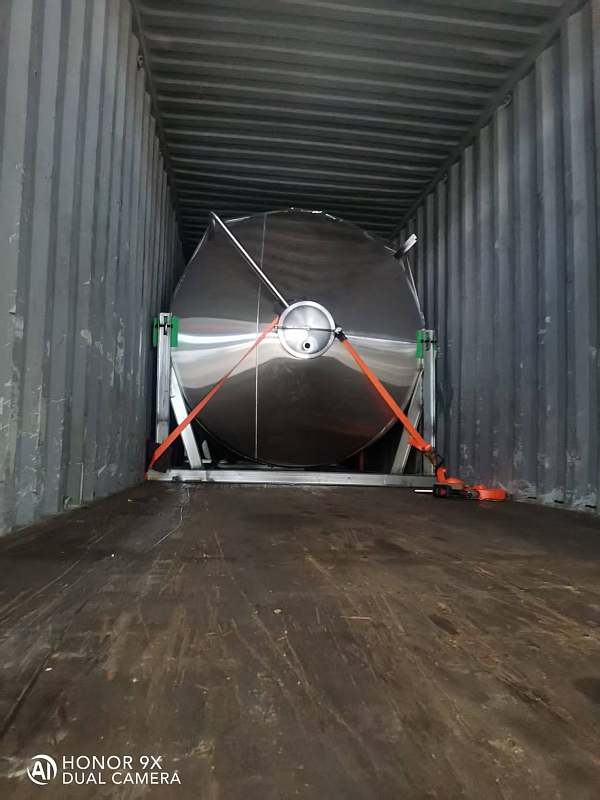
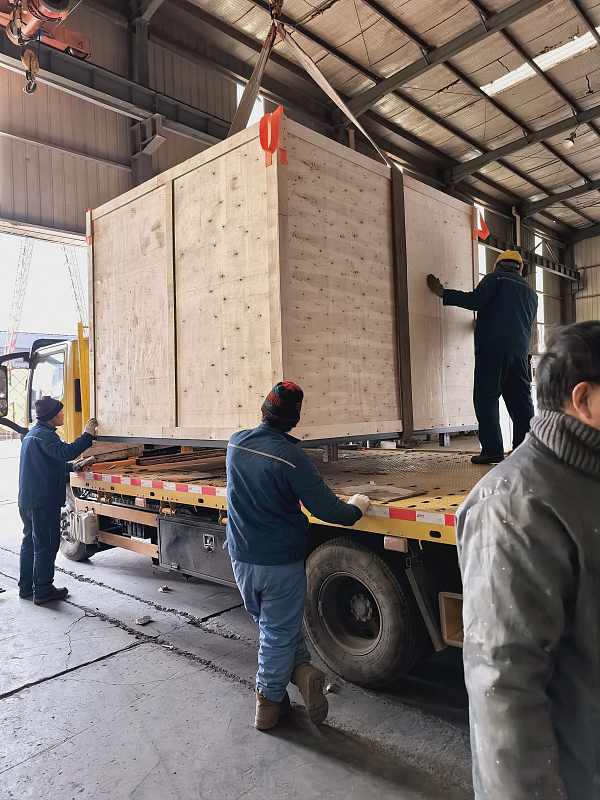
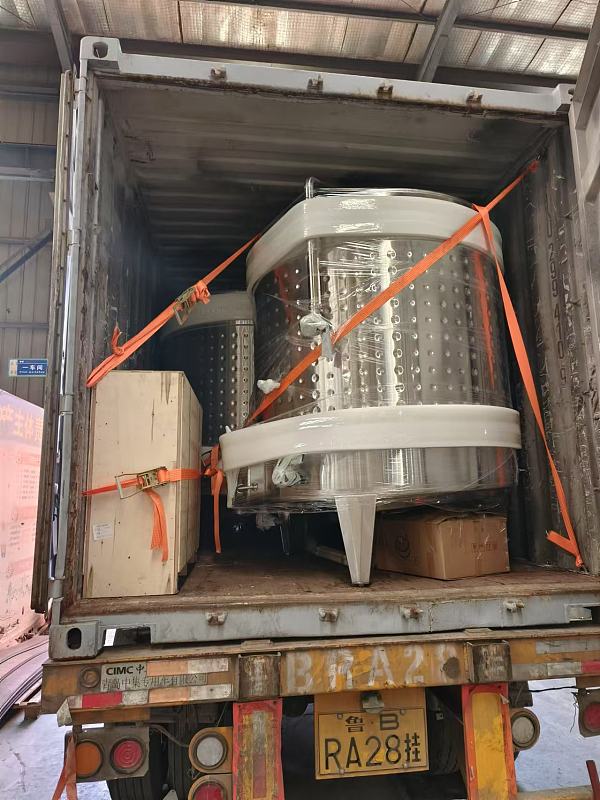
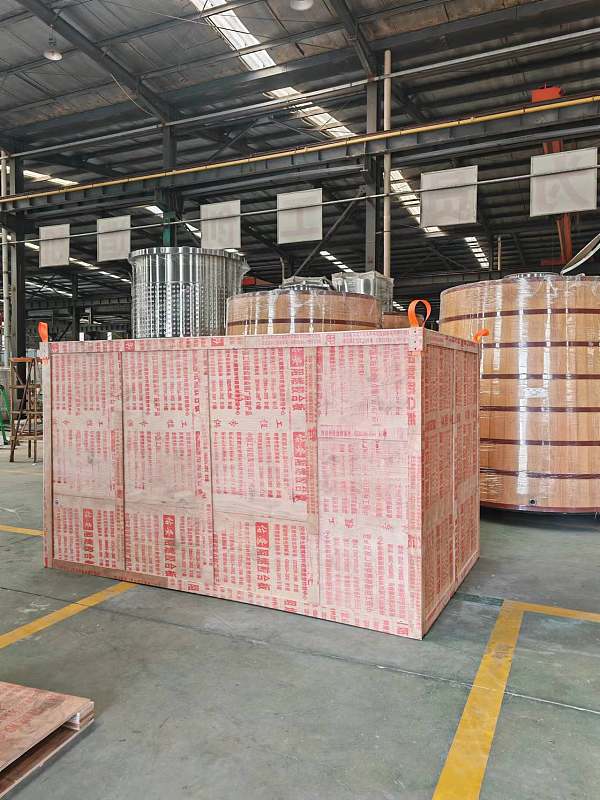
Packing and shipping