PRODUCTS
‹
›
‹
›
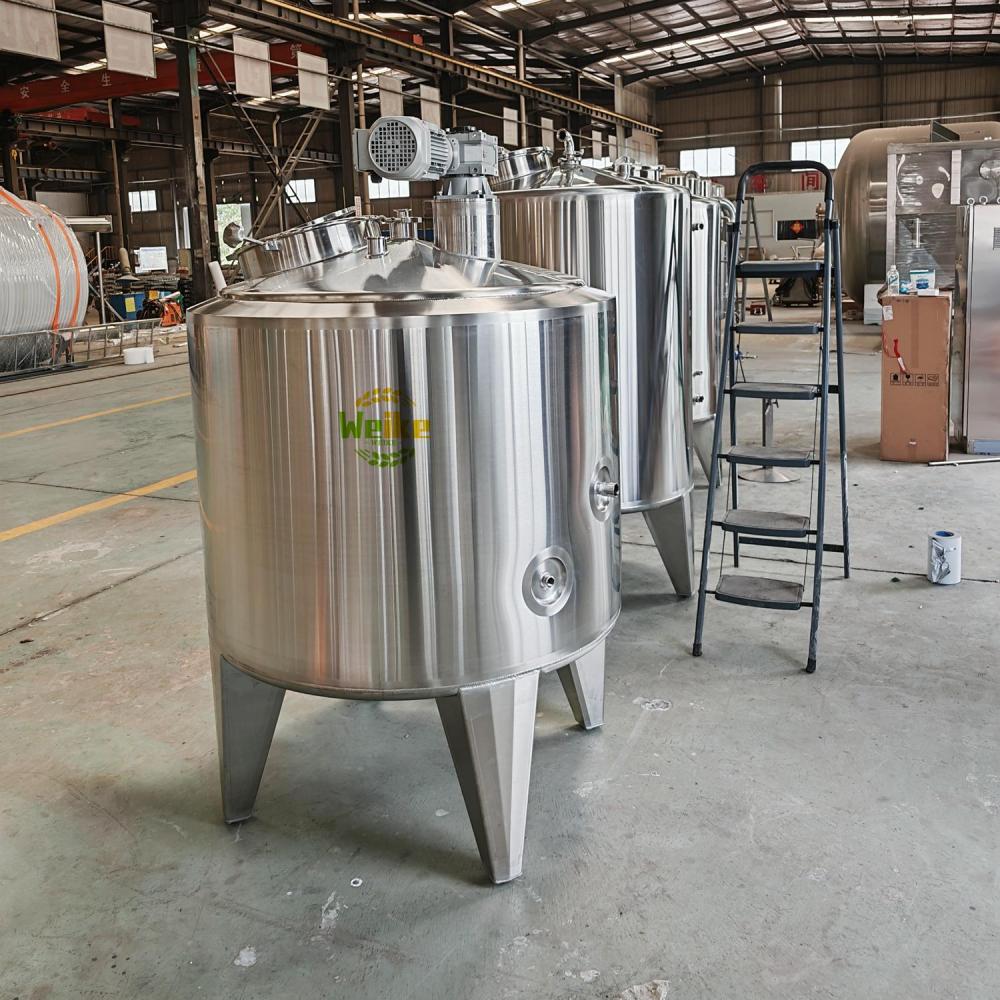
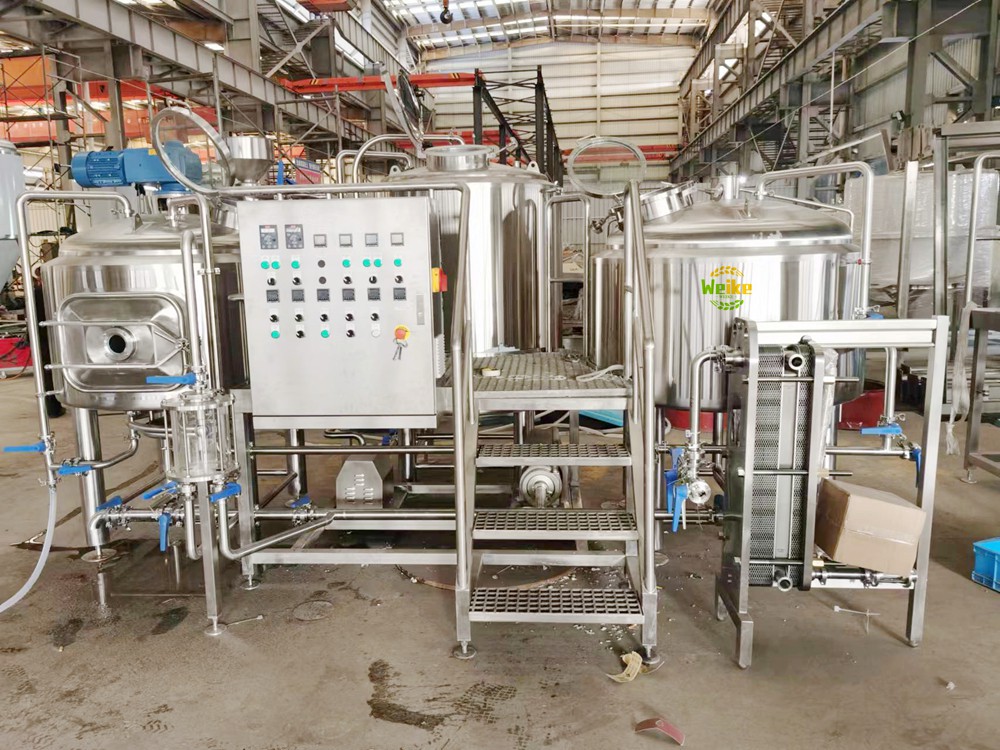
200L micro beer brewery equipment
PRODUCT DESCRIPTION
200L is the sweet spot for semi-commercial operations—enough to supply a small taproom, local farmers’ markets, or regular wholesale orders to 2–3 neighborhood bars, without the need for a full brewing team or massive warehouse space.
Detailed specification list
Main Feature
1. Scaled Output with Retained Batch Flexibility
The defining trait: a single batch yields ~53 gallons (200L) of beer—double the output of 100L gear, but still small enough to brew experimental, seasonal, or niche styles without wasting ingredients. Practical use cases:
◦ Microbrewpubs: Supply 4–5 core taps and 1–2 rotating experimental taps (vs. 2–3 core taps with 100L gear).
Hobby farms/cidermakers: Brew beer and cider/mead in the same setup (200L batches for core cider, smaller 50L test batches for new flavors).
Unlike 500L+ commercial gear, 200L systems still let you switch styles between every batch (no need to commit to 10+ batches of the same beer) — critical for craft breweries building a diverse brand.
2. Modular Design as the Standard (All-In-One is Rare)
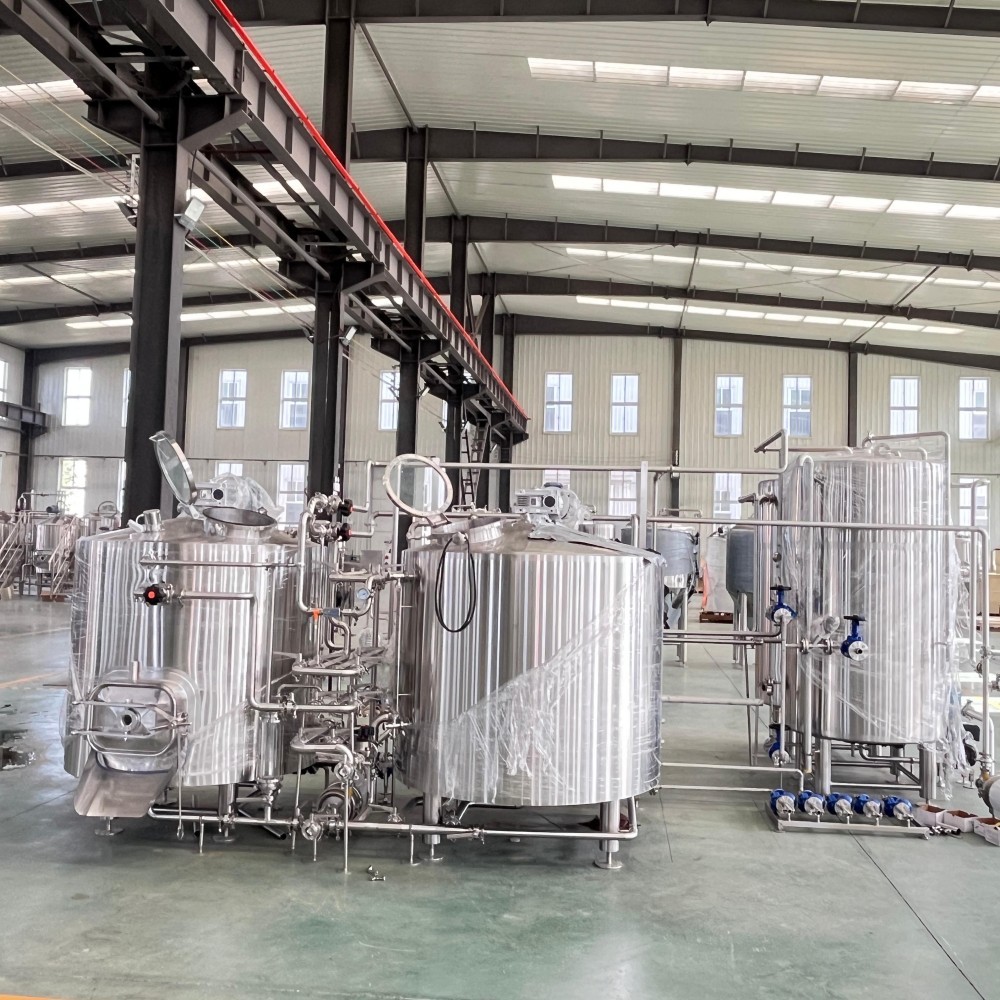
At 200L, modular setups become the industry standard (all-in-one systems are rare and impractical). The system splits into dedicated, standalone vessels:
Mash/Lauter Tun (200L): Separate from the boil kettle (unlike many 100L all-in-ones) — allows for precise mashing (temperature control to 0.5°C) and efficient lautering (sparging) with minimal wort loss.
Boil Kettle (200L): Larger heating capacity for a fast rolling boil (15–20 mins to reach boil, vs. 10–15 mins for 100L) with built-in whirlpool arms and hop stands for maximum hop utilization.
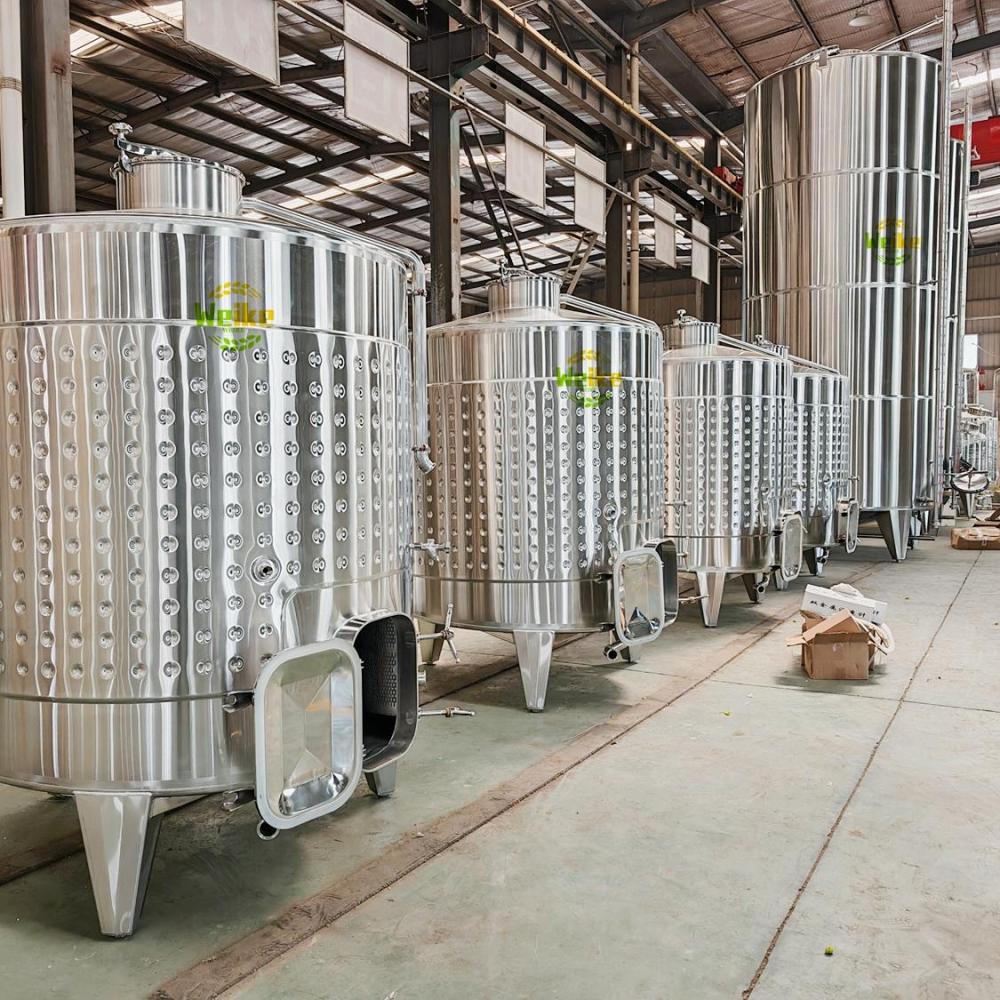
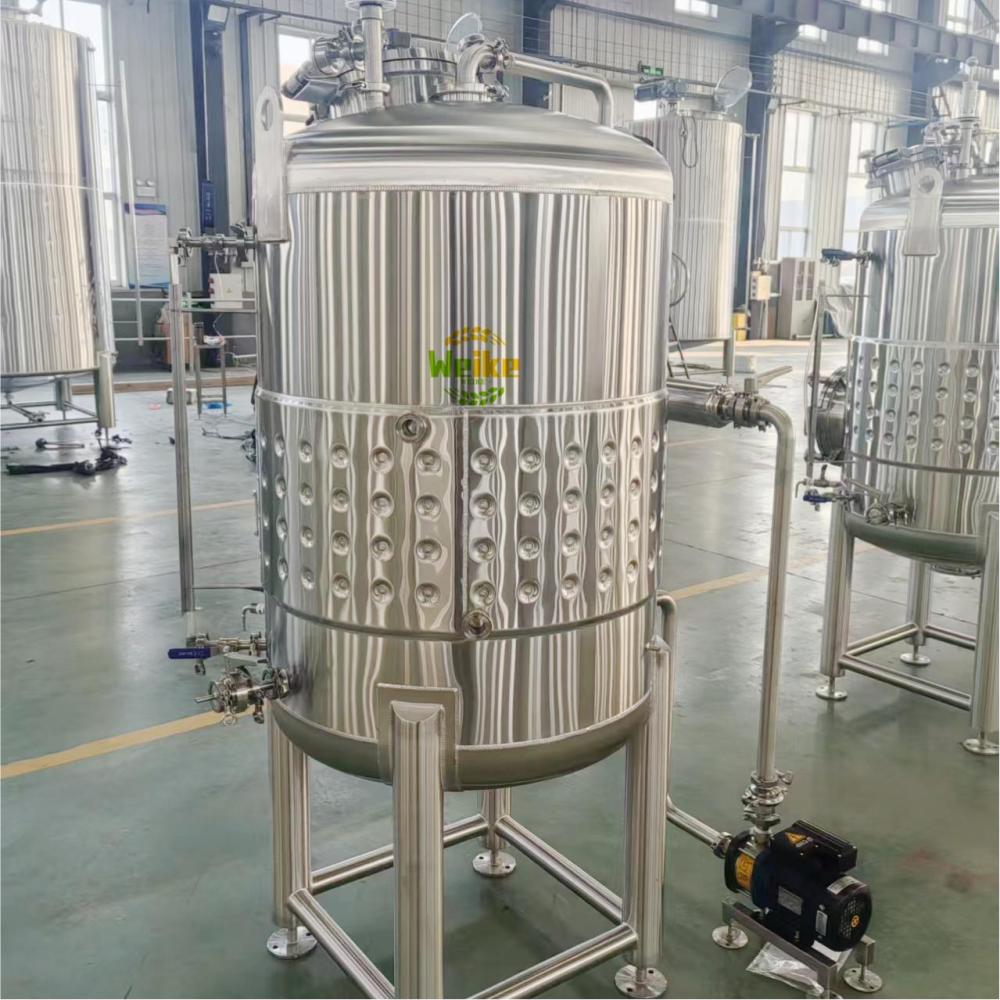
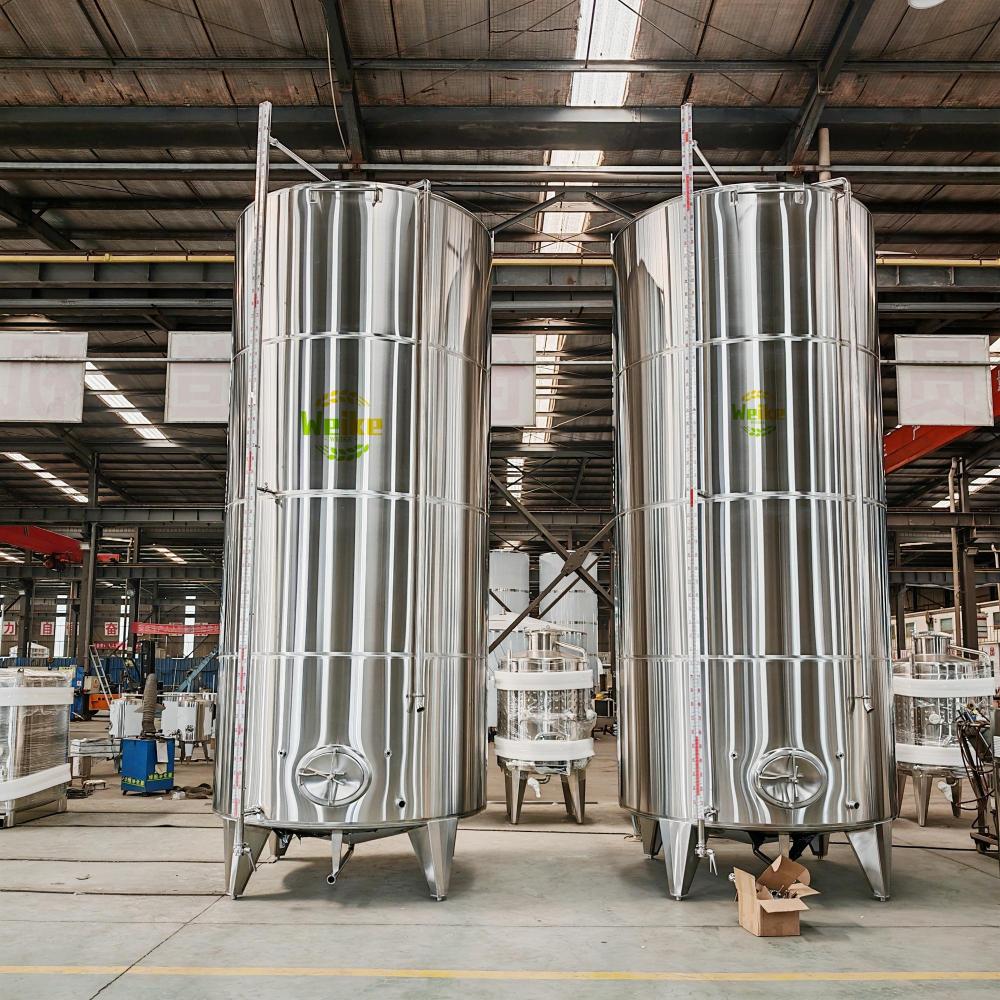
Fermenters (200L, 2–4 units recommended): Double-walled, cooling-jacketed, and pressure-rated (1–2 bar) — lets you ferment multiple batches simultaneously (e.g., 2 batches of IPA, 1 batch of lager, 1 batch of sour) without cross-contamination.
The modular design also means easy expansion: you can add more fermenters or a hopback without replacing the entire system (a huge advantage over 100L all-in-ones, which are often dead-end upgrades).
3. Enhanced Temperature & Process Control (Semi-Commercial Precision)
200L equipment takes temperature control to the next level vs. 100L gear — repeatable recipe results are non-negotiable for commercial sales, and these systems deliver that. Key control features:
◦ Dual Heating Options (Electric/Gas): Standard for modular setups — electric heating (5–8kW elements) for small spaces (garages, pub backrooms) with easy access to power; gas heating (propane/natural gas) for outdoor setups or breweries with high batch frequency (faster heating, lower long-term energy costs).
Precision Mash Control: Mash tuns have recirculation pumps (vorlauf) with variable speed controls, and digital thermostats that maintain mash temperatures for 60–90 mins without fluctuation — critical for consistent malt sweetness and fermentable sugar levels (a must for core beer styles).
Fermentation Temperature Control: Fermenters have dual-zone cooling jackets (top and bottom) and digital controllers with Wi-Fi/Bluetooth connectivity — lets you monitor and adjust temperatures remotely (check from your phone while at the taproom), and ensures uniform fermentation (no hot spots at the top or cold spots at the bottom, a common issue with 100L fermenters).
Pressure Control for Closed Processes: Fermenters and bright tanks are pressure-rated as standard (vs. optional in 100L gear) — allows for closed transfers (wort from boil kettle to fermenter, beer from fermenter to bright tank) without oxygen exposure (reduces off-flavors, extends shelf life), and lets you carbonate beer in the bright tank (consistent carbonation levels for kegs/bottles).
4. Space-Efficient but Purpose-Built for Semi-Commercial Workflows
200L equipment is larger than 100L gear, but still designed for small spaces (pub backrooms, small warehouses, farm breweries). Key space features: Compact Modular Footprint: A full modular setup (mash tun, boil kettle, 4 fermenters, 1 bright tank) takes up only 4–6 square meters of floor space — about the size of a small garage or a large walk-in closet.5. Energy-Efficient with Scaled Operating Costs
200L equipment has higher absolute energy/water costs than 100L gear, but lower per-liter costs (critical for commercial operations). Key efficiency features:
Energy Efficiency: Modular setups have better insulation (thicker walls) than 100L gear — reduces heating/cooling costs by 15–20% per liter of beer (e.g., 200L of IPA uses 1.5x the energy of 100L of IPA, but 0.75x the energy per liter).
Operating Costs: Per-liter costs for energy, water, and cleaning are lower than 100L gear — makes 200L equipment more profitable for commercial sales (e.g., a 200L batch of IPA has a lower per-keg cost than a 100L batch, even though the total cost is higher).
Get a quote
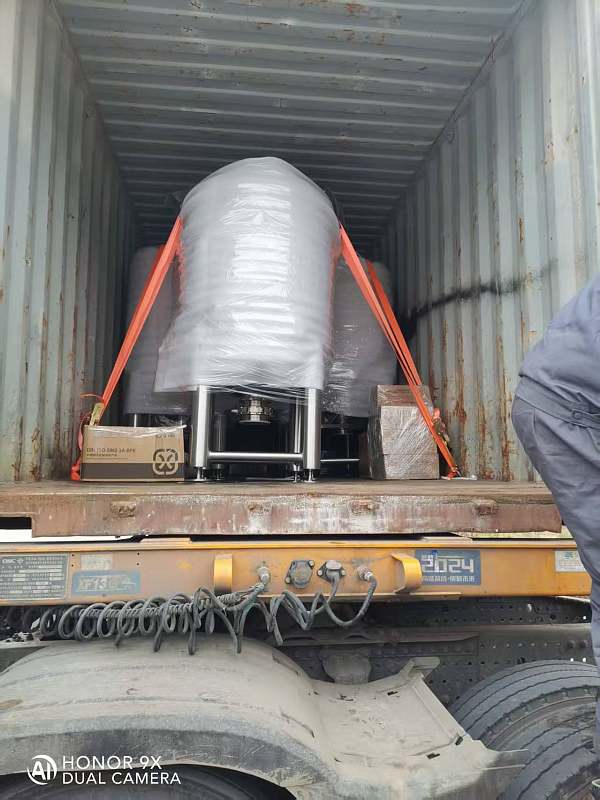
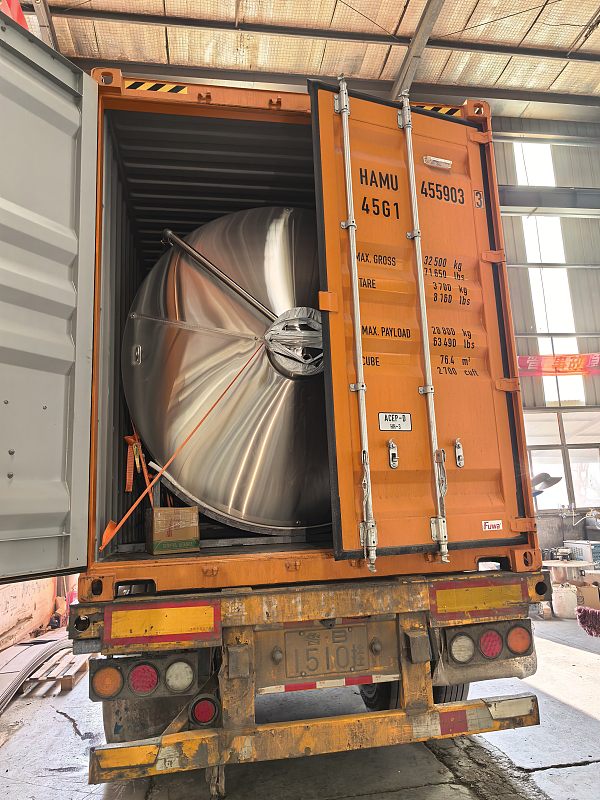
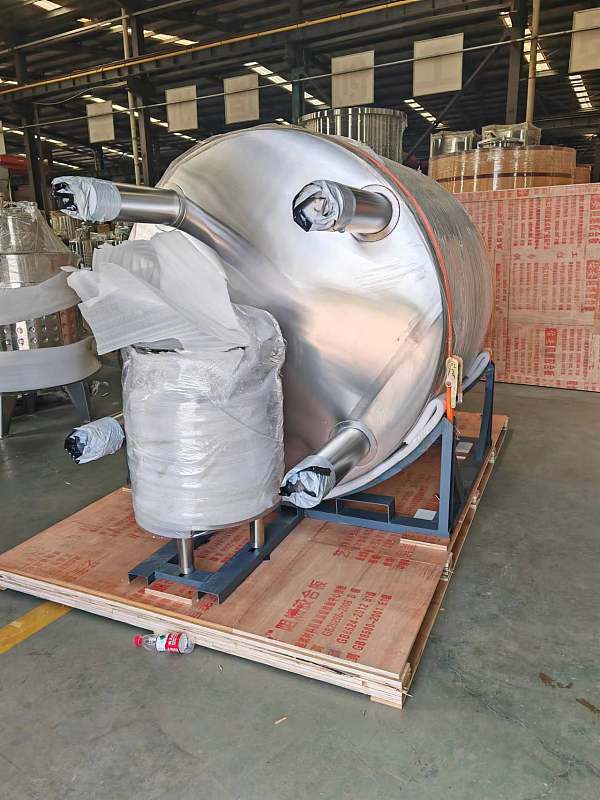
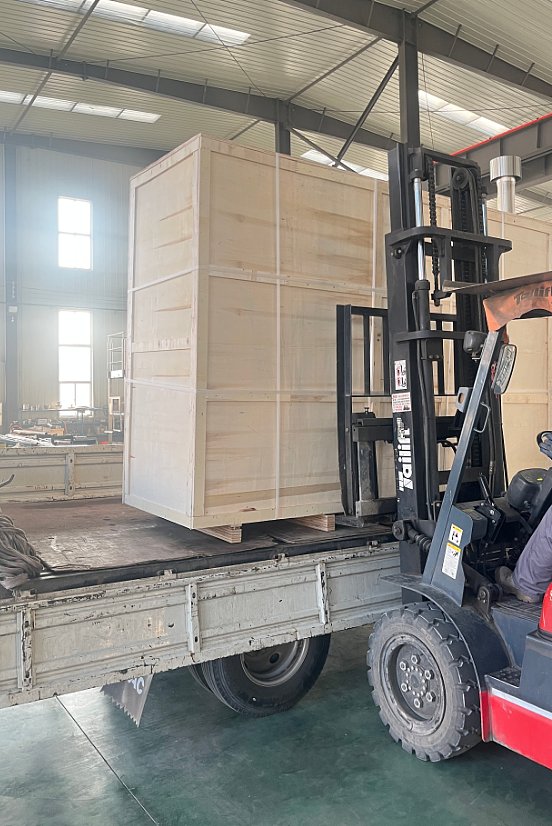
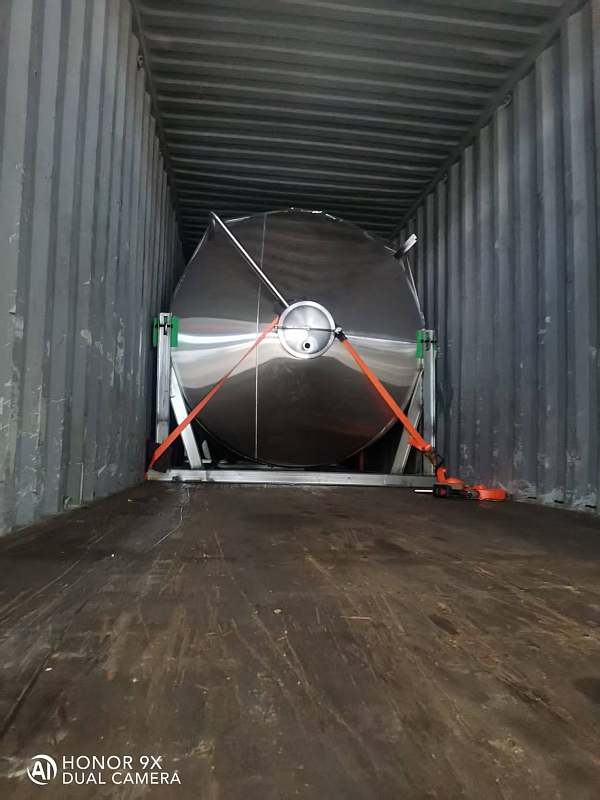
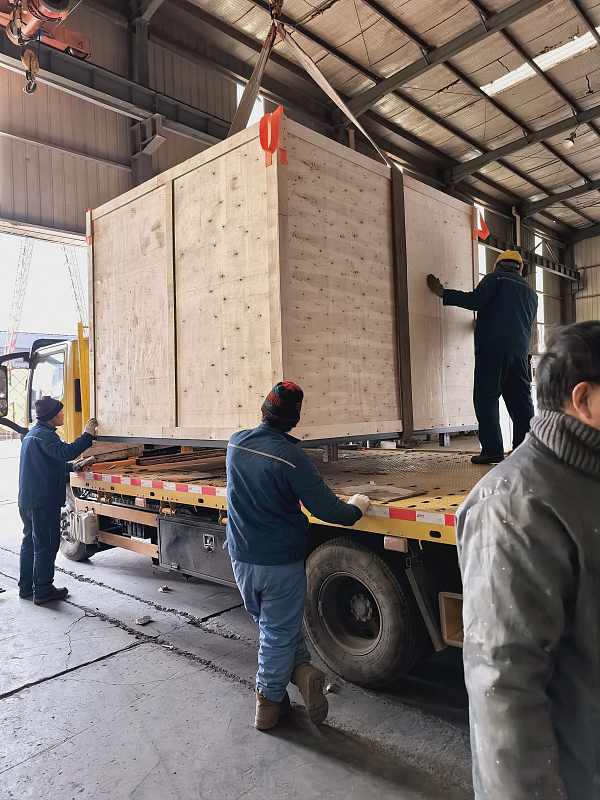
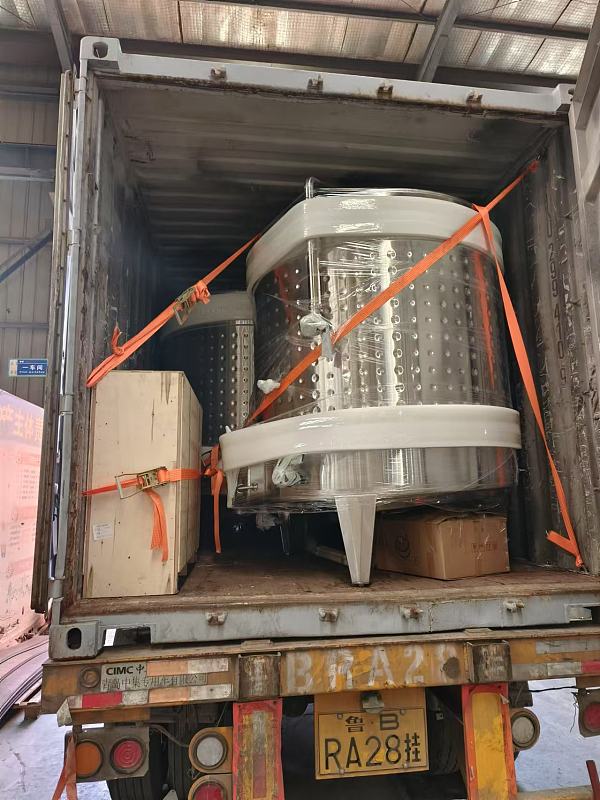
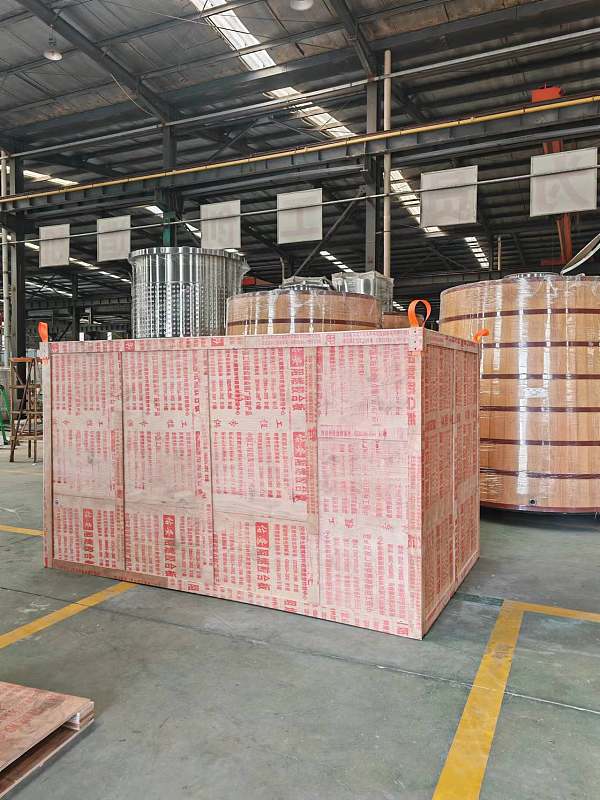
Packing and shipping