PRODUCTS
‹
›
‹
›
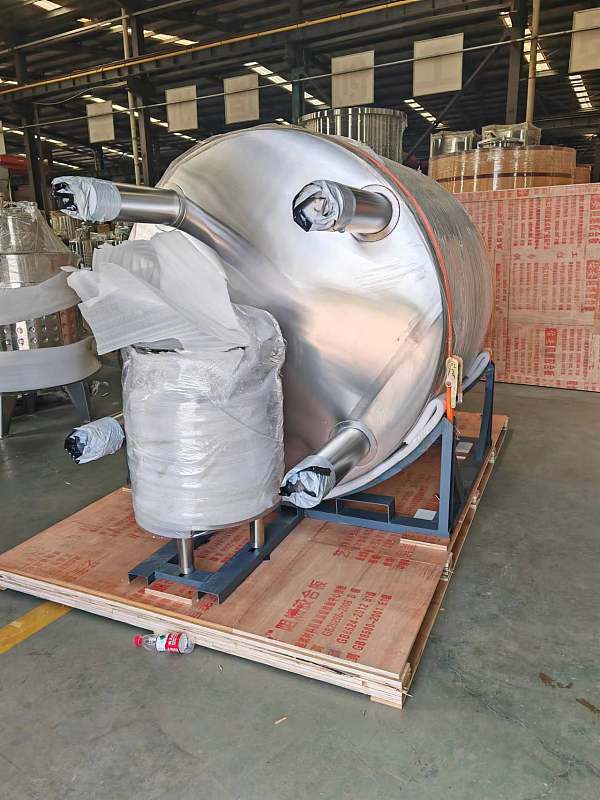
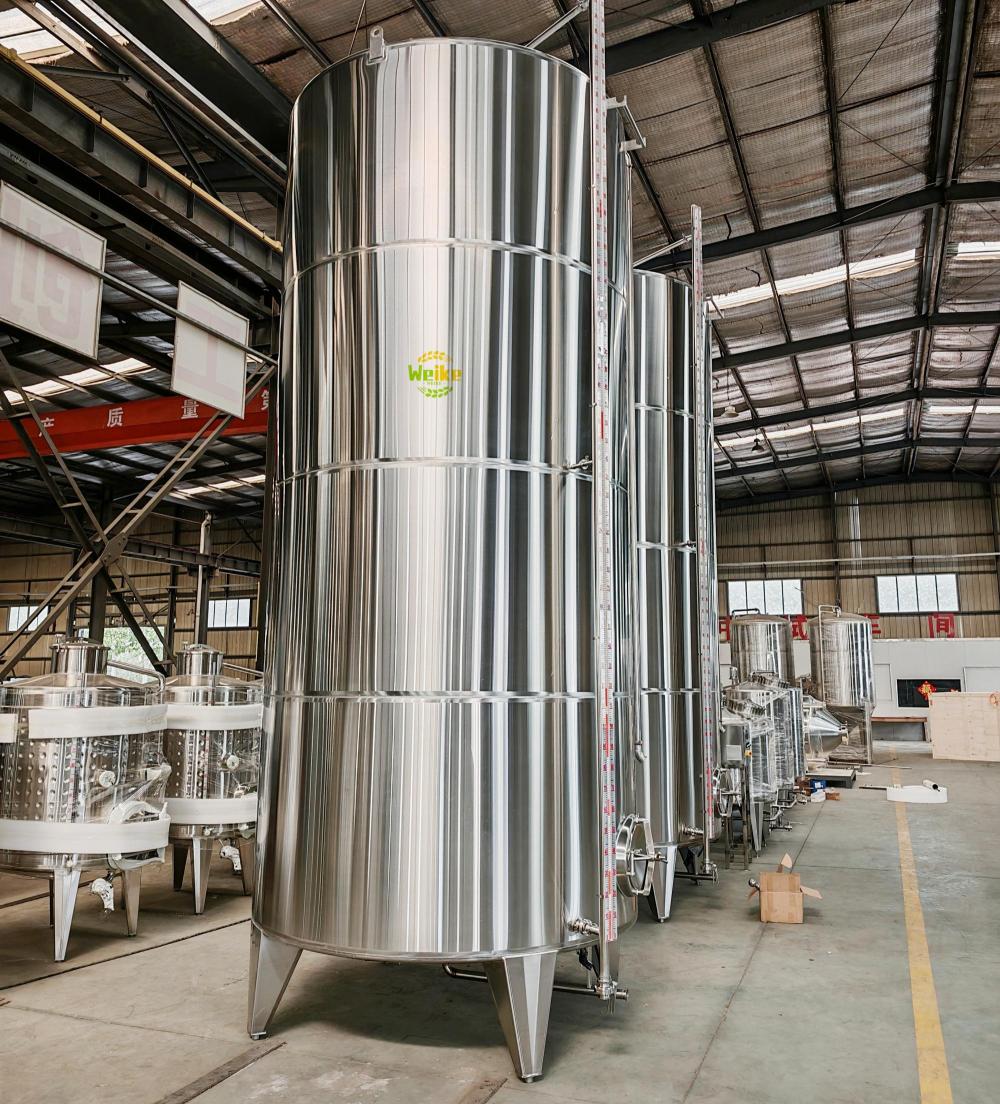
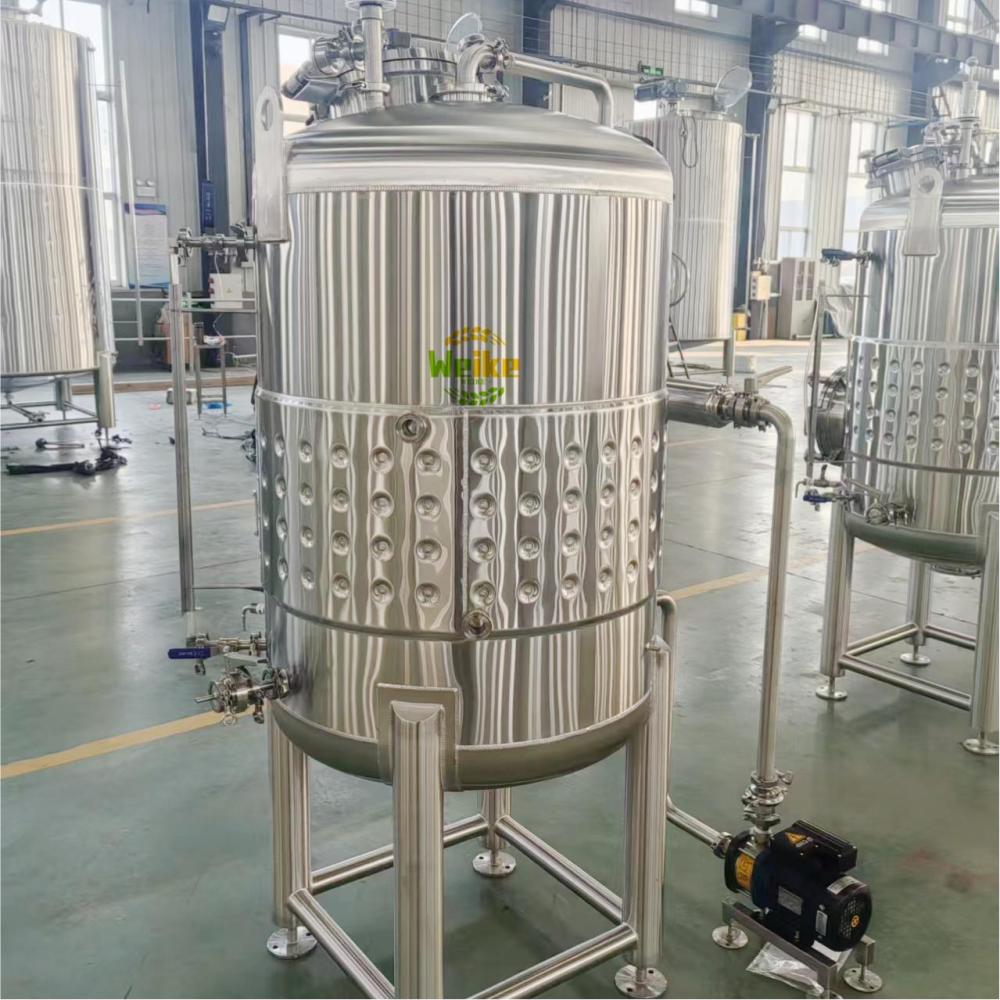
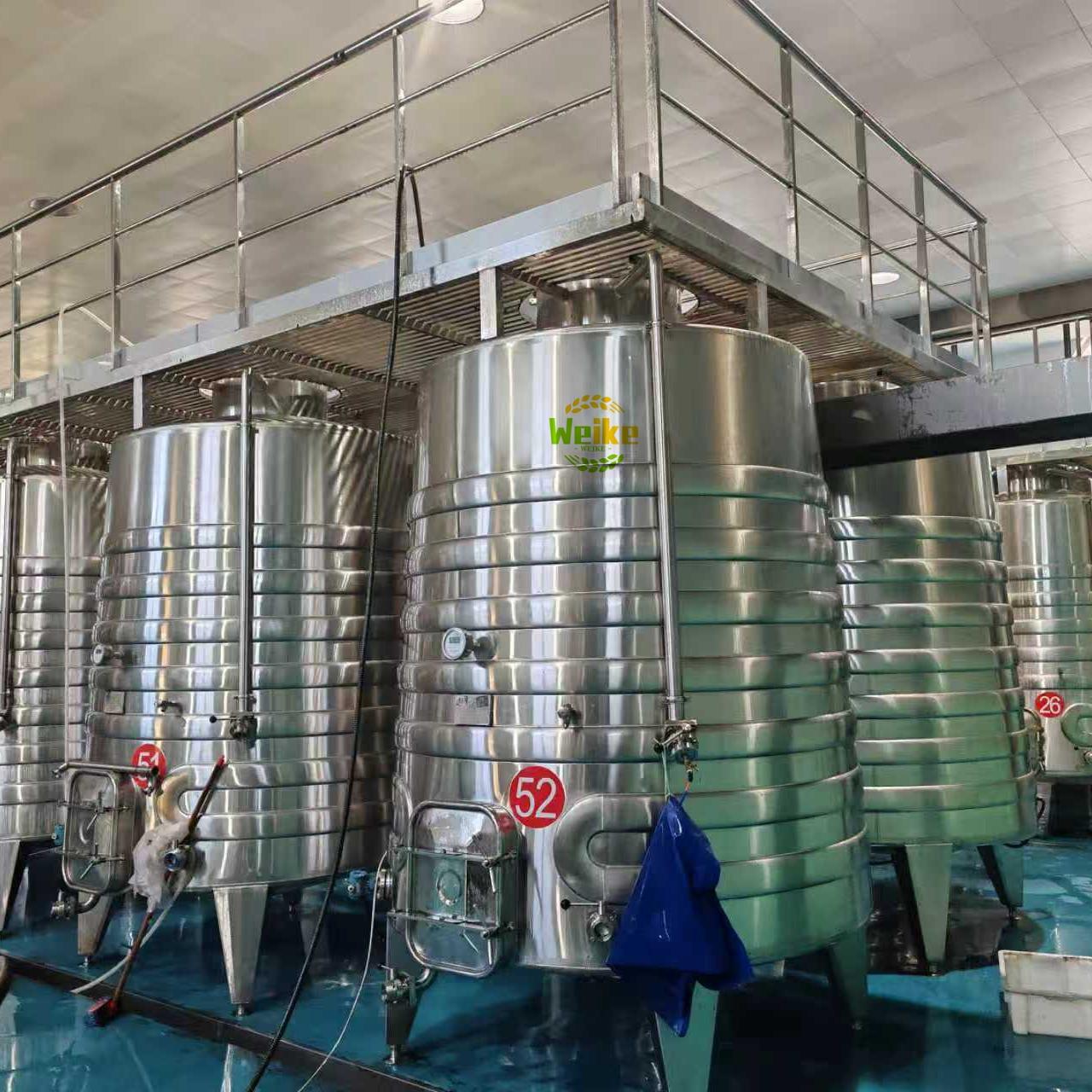
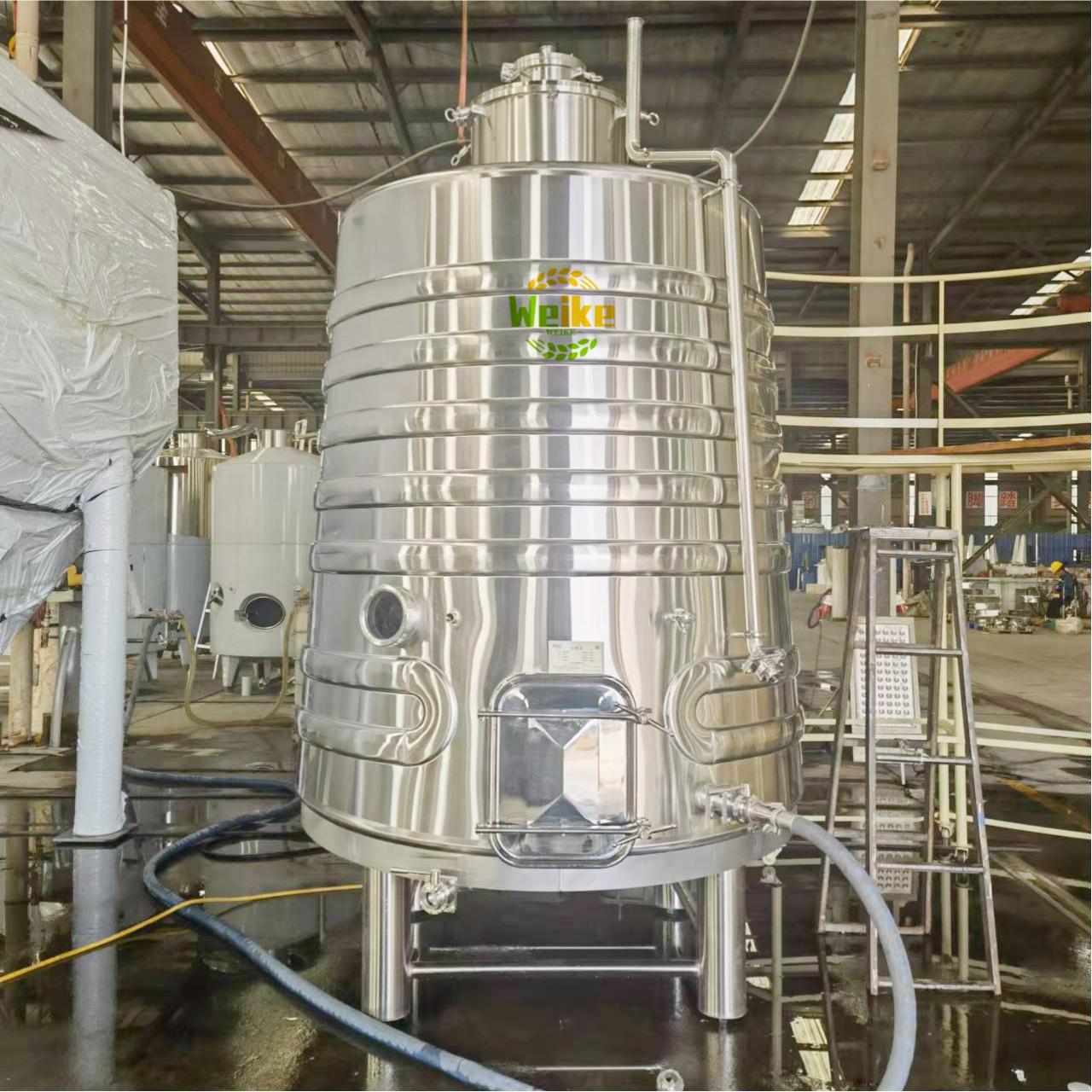
8000L tapered wine fermenter
Cause tapered design is vital for making settlement of residue while fermentation; this design is easier to make the residue out.
Tapered wine fermenter can also add some extra volume for the celler using, can save space.
PRODUCT DESCRIPTION
Tapered wine fermenter is crucial wine equipment, especially for red wine fermentation;
Cause tapered design is vital for making settlement of residue while fermentation; this design is easier to make the residue out.
Tapered wine fermenter can also add some extra volume for the celler using, can save space.
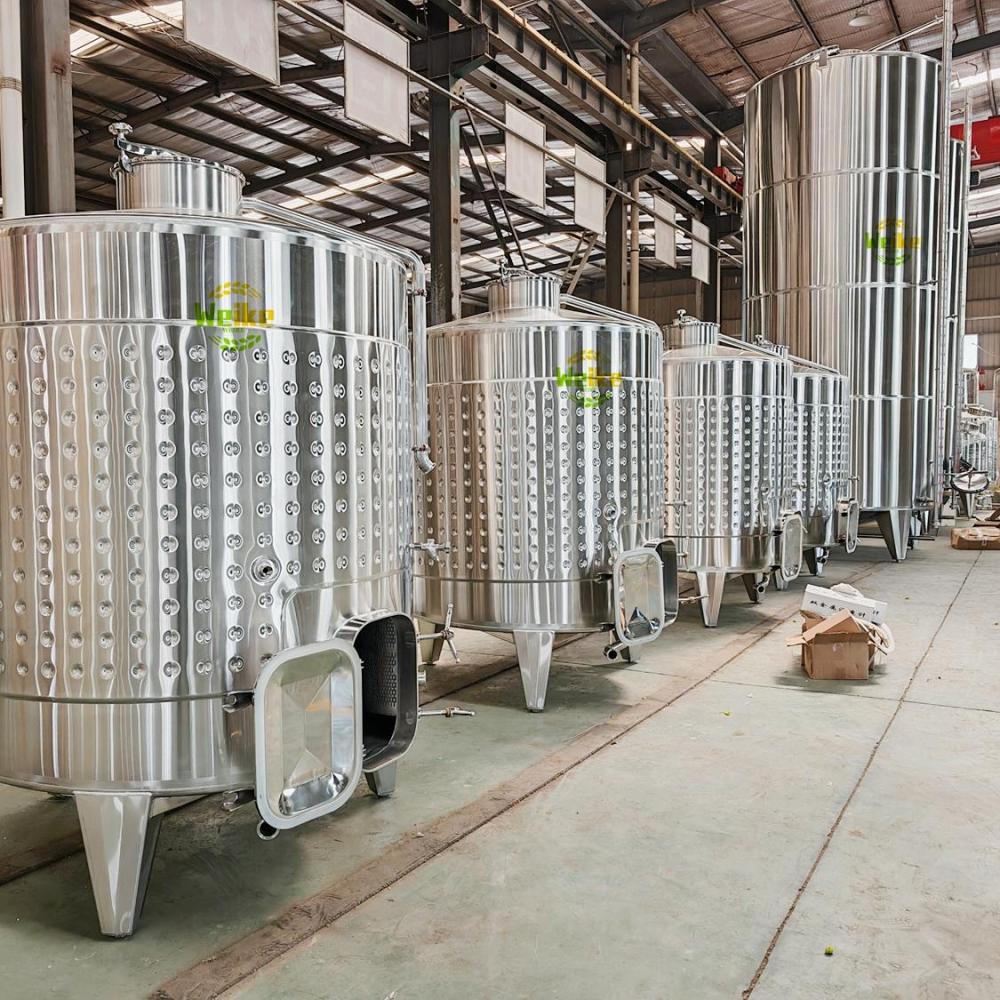
It equiped with rectangular manhole and in associated with slopped flat bottom so that it is easier to make the residue out.
It fits with mesh filter installed on the tanks, then it can get clear wine out.
Dimension of Tapered wine fermenter
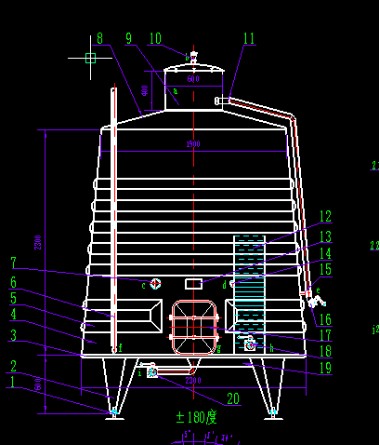
Detailed specification list
Main Feature of the tapered tanks
1,Defining Tapered Shape: Inverted Cone or “Hourglass Lite” Design
The core feature is non-negotiable: narrow, compact top section that gradually widens into a broad, rounded base. Most models are inverted conical tanks (steeper taper) or gently tapered tanks (softer slope)—but all share the top-slim, bottom-fat profile. Unlike cylindrical tanks (uniform width top to bottom), the taper is intentional: the base is 2–3 times wider than the top on average. The material is still 304/316 food-grade stainless steel (standard for wine), but the walls are slightly thicker at the base to support the extra weight of the wider volume.
2. Perfect for Natural Sedimentation (No Extra Equipment Needed)
This is the biggest reason winemakers love them. The wide bottom and narrow top create a natural gravitational funnel effect. When wine is left to settle (for clarification or lees aging), all solid particles—dead yeast, grape skins, sediment—fall straight down and collect in the broad, flat base (or a small conical sump at the very bottom). Unlike cylindrical tanks, where sediment spreads out across the entire floor (making it hard to remove), the tapered shape concentrates sediment in one easy-to-reach spot. This means winemakers can rack the clear wine off the top without disturbing the sediment—no need for extra filters, centrifuges, or agitation systems. It’s ideal for small-batch, minimal-intervention winemaking (think natural wines or artisanal reds).
3. Efficient Racking & Transfer (Minimizes Wine Loss)
The narrow top section is a game-changer for racking (transferring wine from one tank to another to separate it from sediment). Tapered tanks have a racking port located just above the widest part of the base—right where the clear wine meets the sediment layer. Because the top is slim, the wine level drops quickly and evenly as it’s racked, so you can get 95–98% of the clear wine out of the tank (compared to 90–92% in cylindrical tanks). The wide base also means you never have to tilt the tank or use extra hoses to reach the last bit of clear wine—saving time and reducing oxidation risk (since you’re not moving the tank around). And the sediment left in the base is easy to drain through a single bottom valve—no messy cleanup!
5. Space-Saving Top, Stable Base (Ideal for Crowded Wineries)
A huge practical benefit: the narrow top takes up less vertical and horizontal space, while the wide base provides maximum stability. In wineries with low ceilings or narrow aisles, tapered tanks are far easier to fit than cylindrical tanks of the same volume. You can place them closer together because the tops don’t stick out, and you don’t need extra floor space for support stands (the wide base sits firmly on the ground). For small wineries or home winemakers, this is a lifesaver—it lets you store more wine in less space without sacrificing functionality. And because the top is slim, you
can easily install bung holes, sampling ports, or airlocks without having to reach over a wide, awkward edge.
6. Gentle Fermentation Dynamics (No Turbulence, No Oxidation)
The tapered shape creates a gentler, more natural flow of wine during fermentation. When yeast produces CO₂ (during active fermentation), the bubbles rise from the wide base to the narrow top, creating a slow, upward current that mixes the wine gently—no need for mechanical stirrers (which can introduce oxygen and damage grape skins). This is perfect for red wine maceration (steeping the grape skins in the wine to extract color, tannins, and flavor). The gentle current keeps the skins suspended in the wine evenly, so you get a consistent color and flavor profile throughout the batch. Unlike cylindrical tanks, where the CO₂ bubbles can create turbulent, chaotic currents (which can push the skins to the top and form a hard cap that’s hard to break), the tapered shape keeps the skins mixed naturally—saving winemakers time and effort.
Get a quote
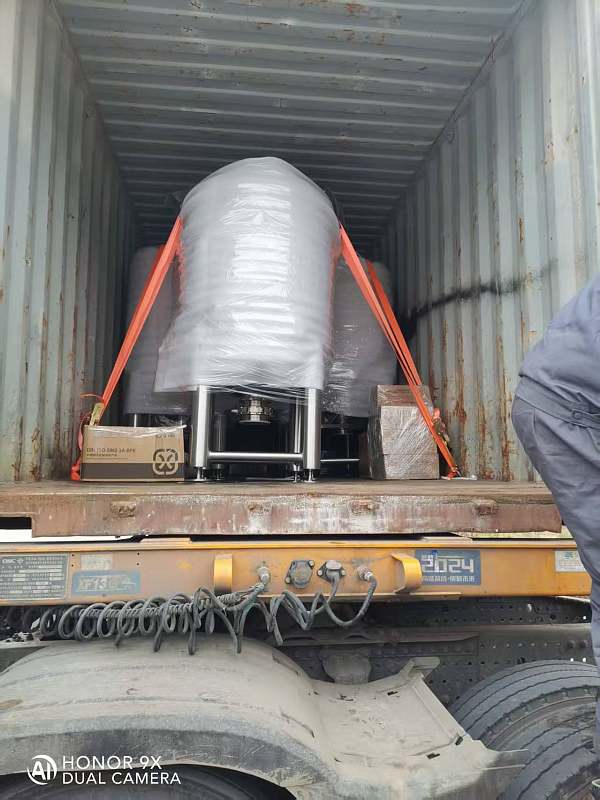
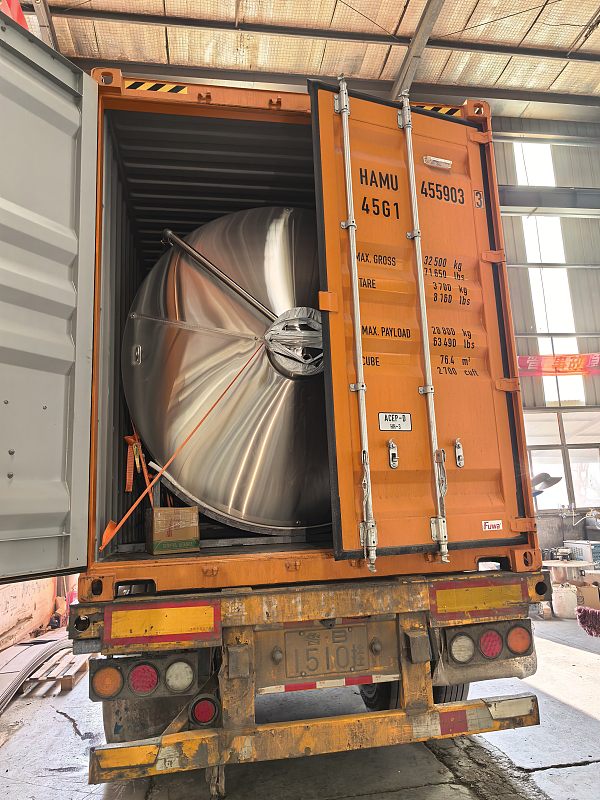
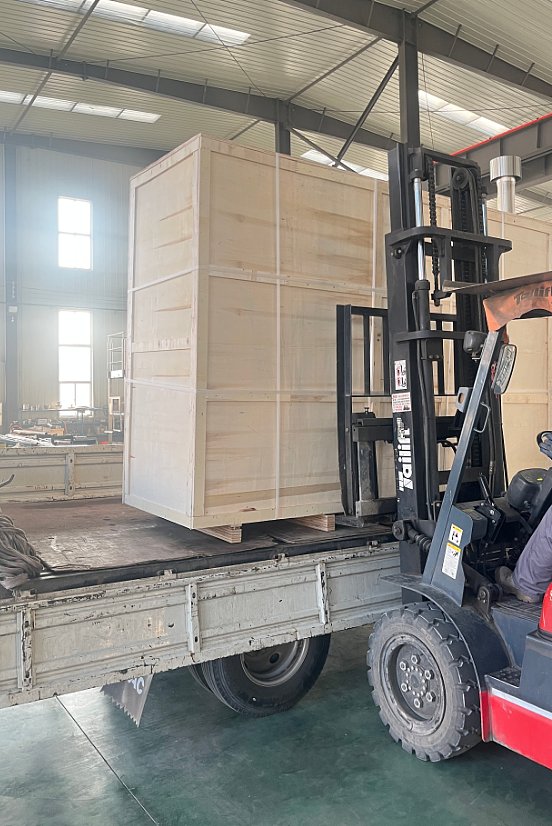
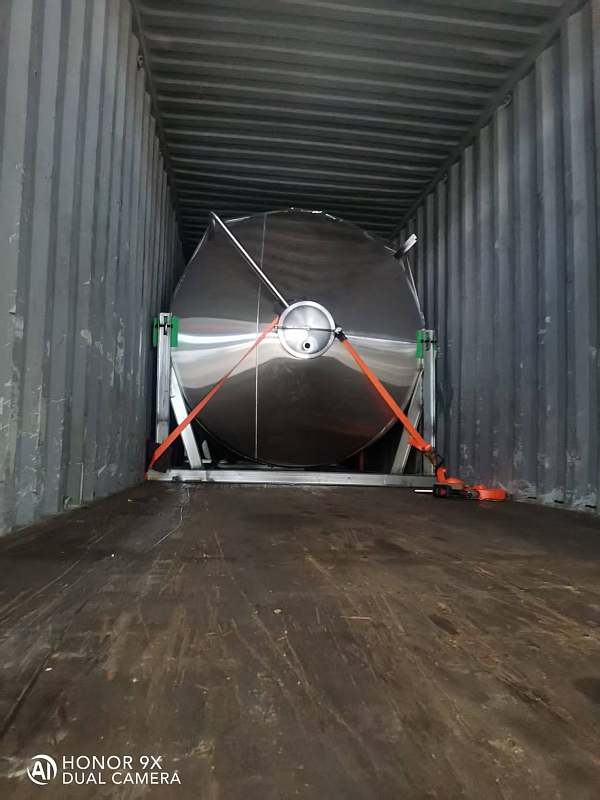
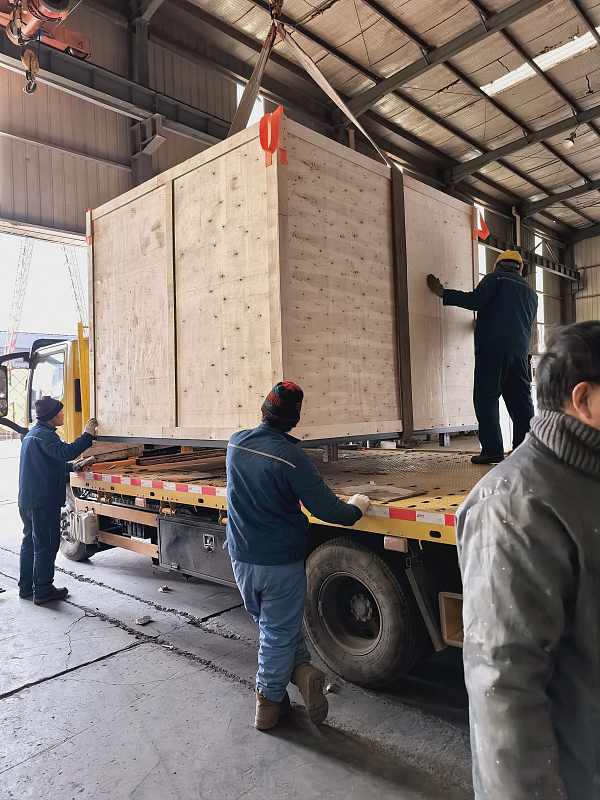
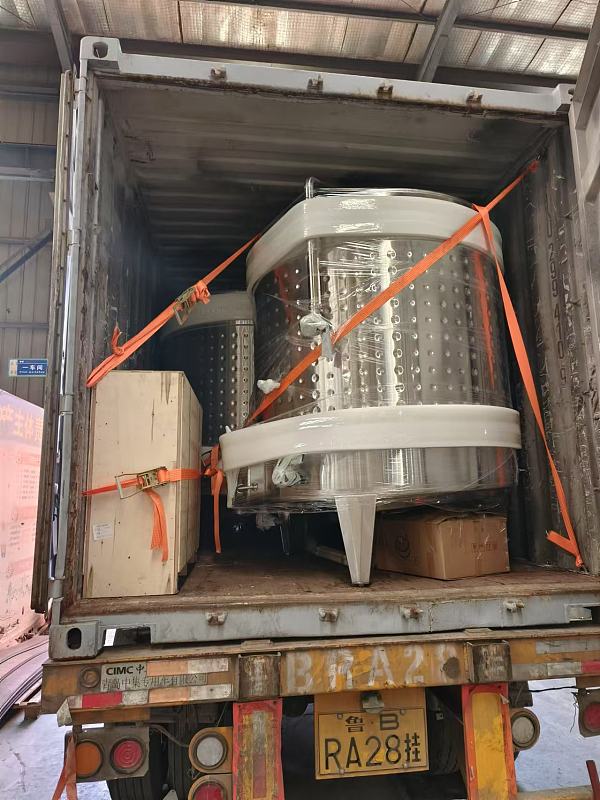
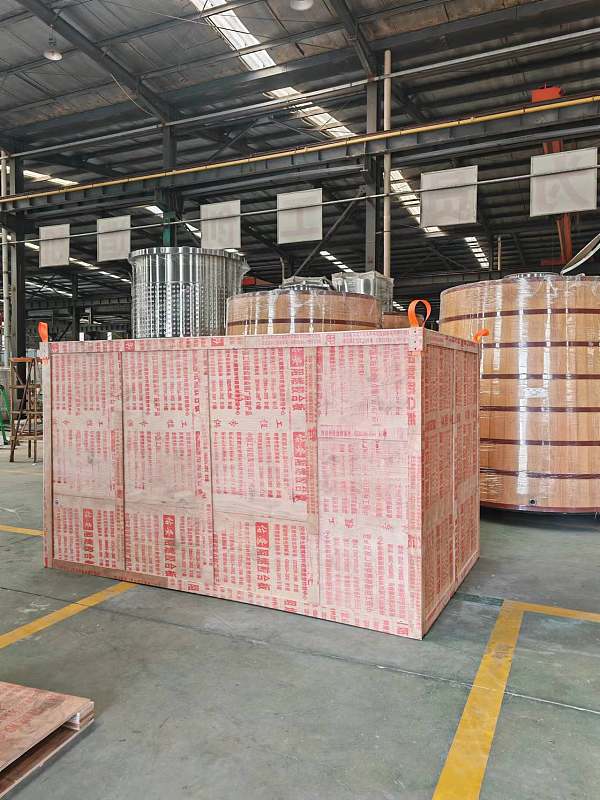
Packing and shipping