PRODUCTS
‹
›
‹
›
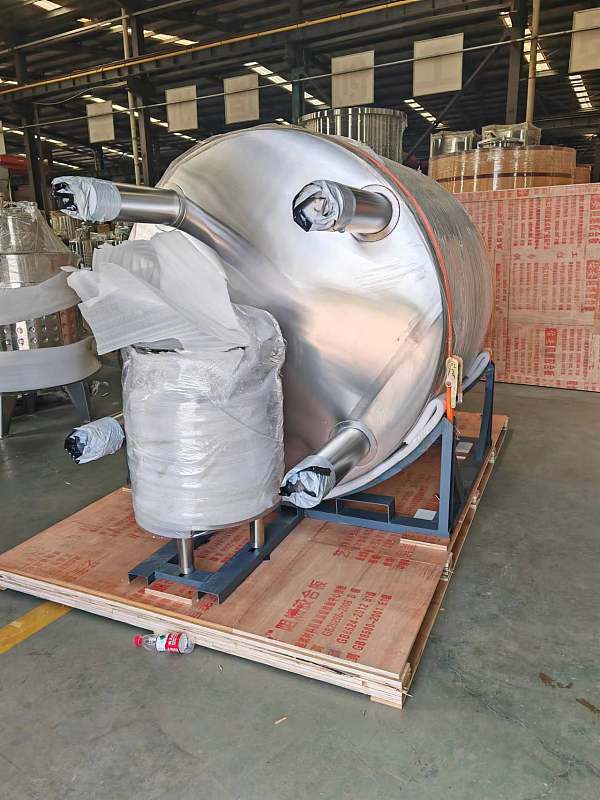
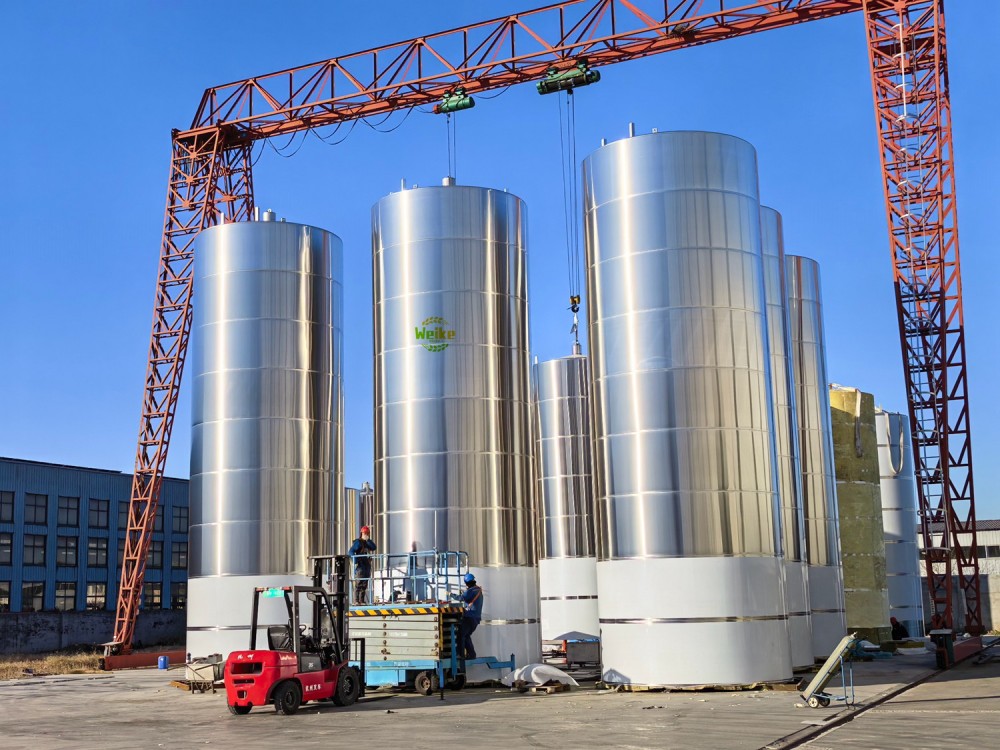
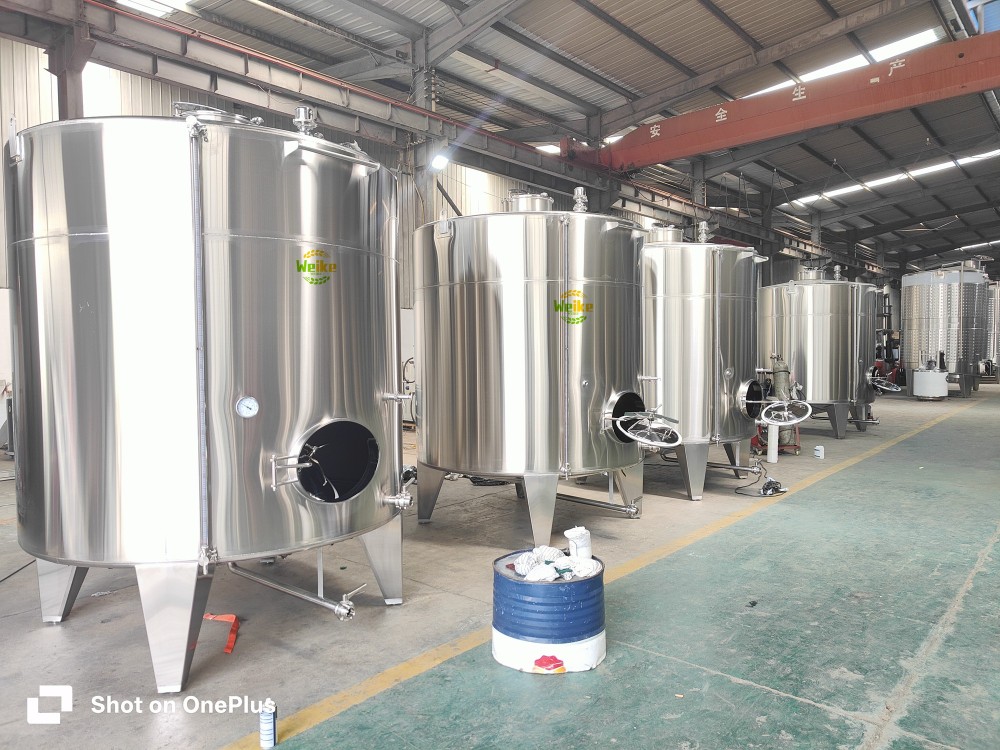
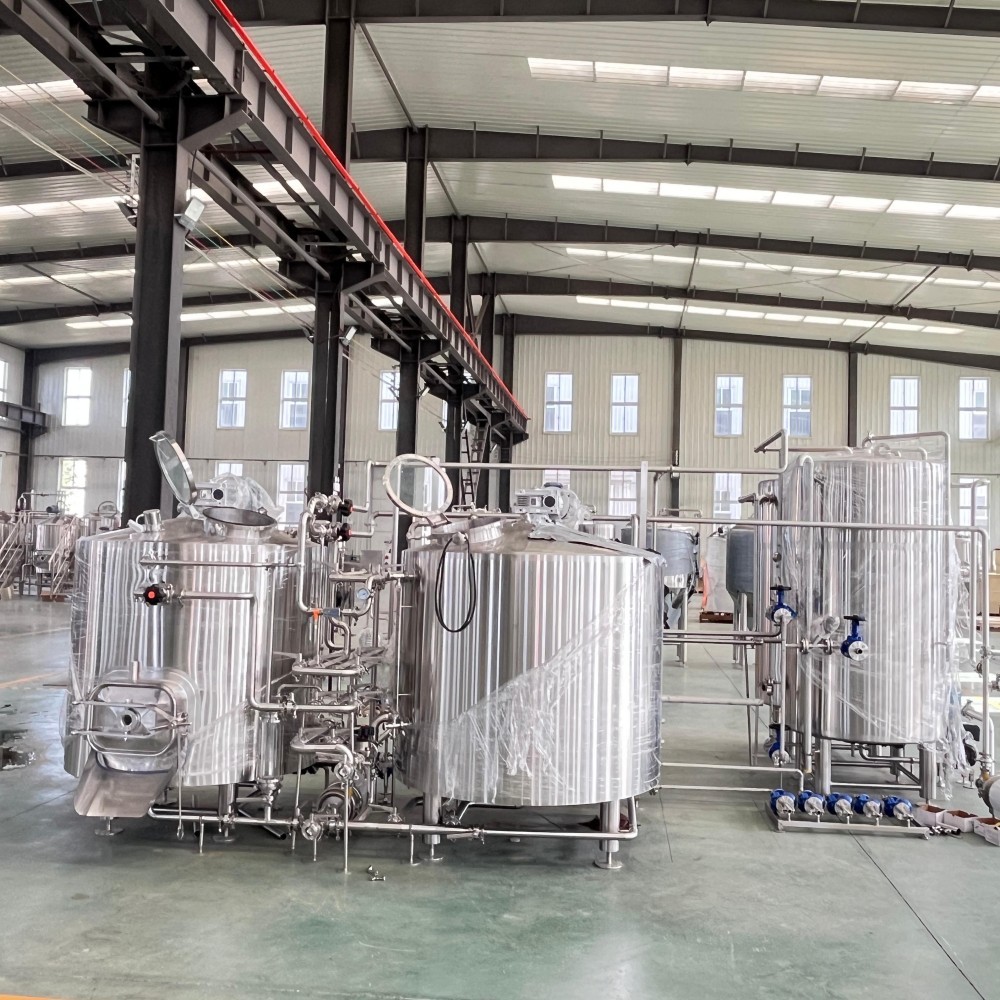
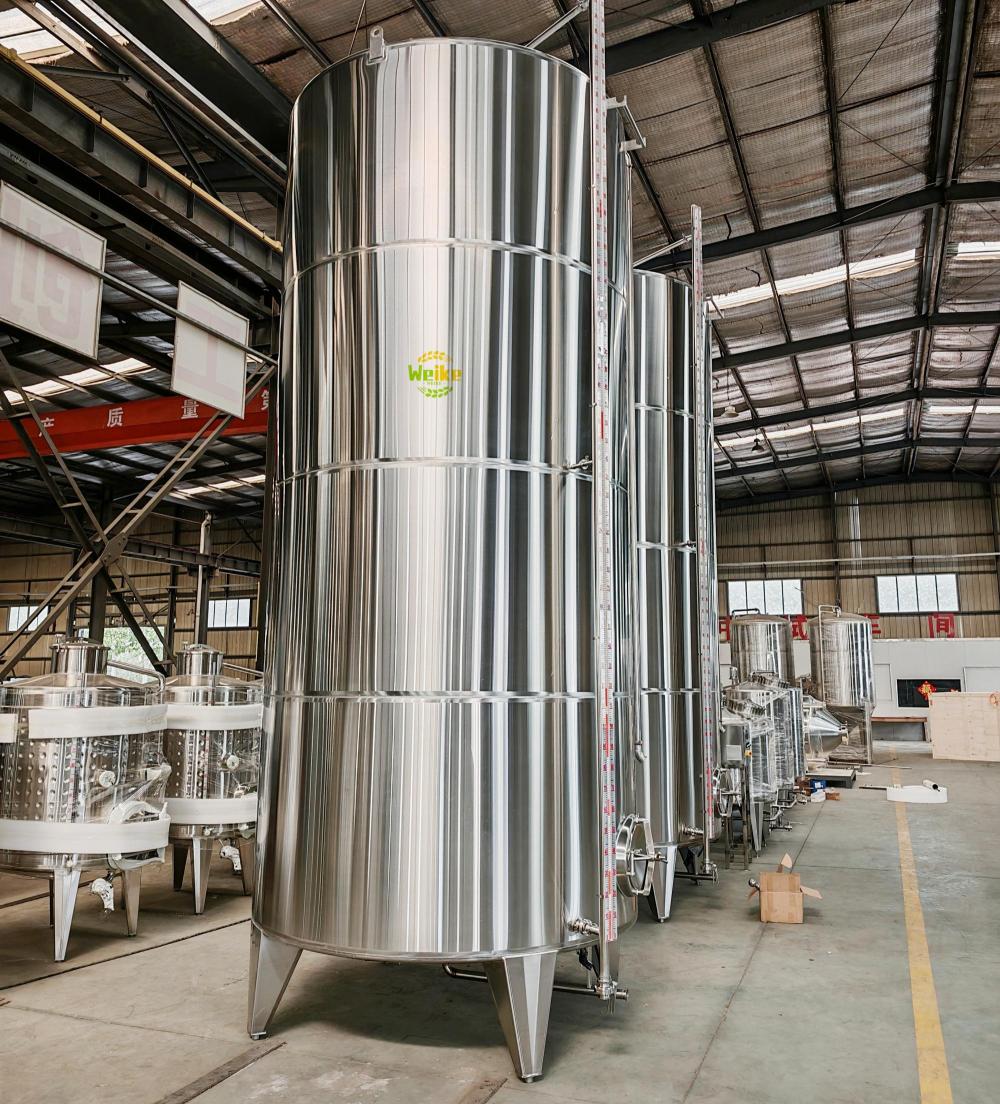
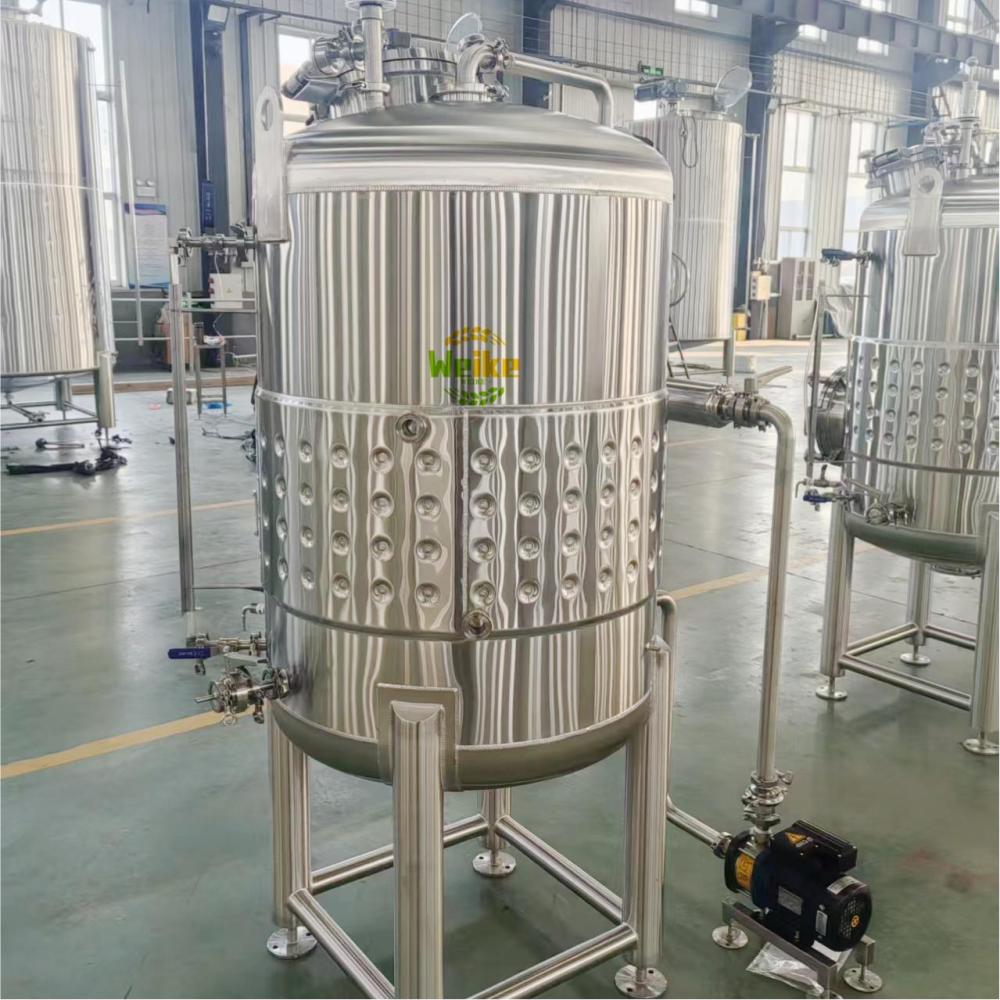
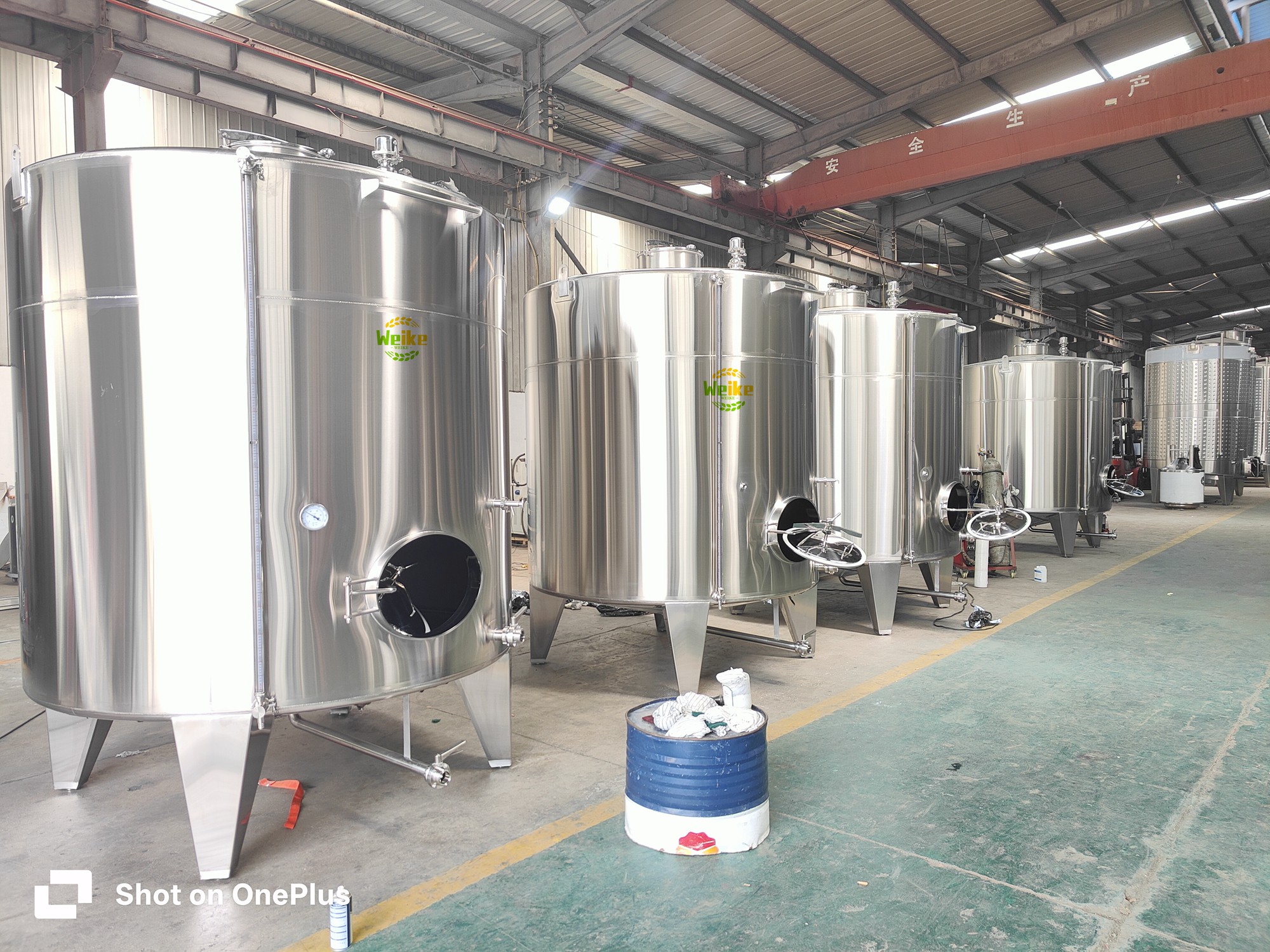
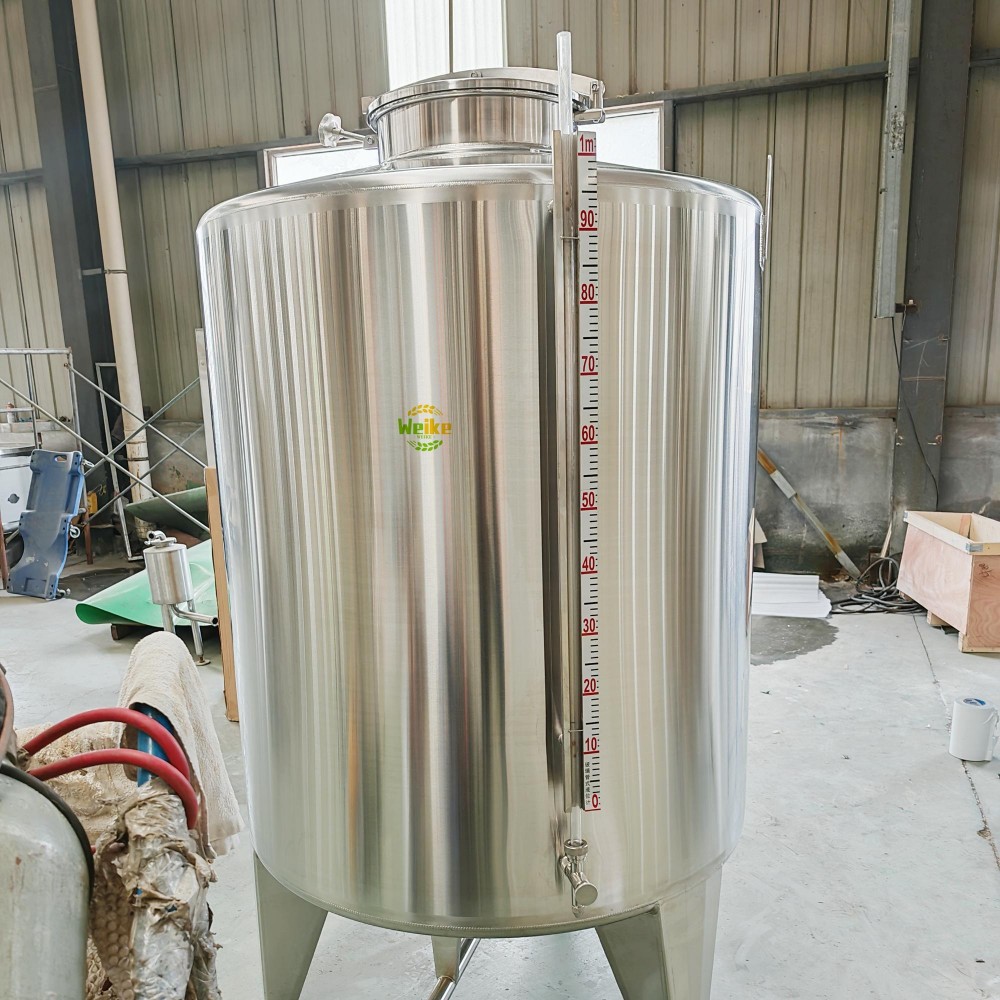
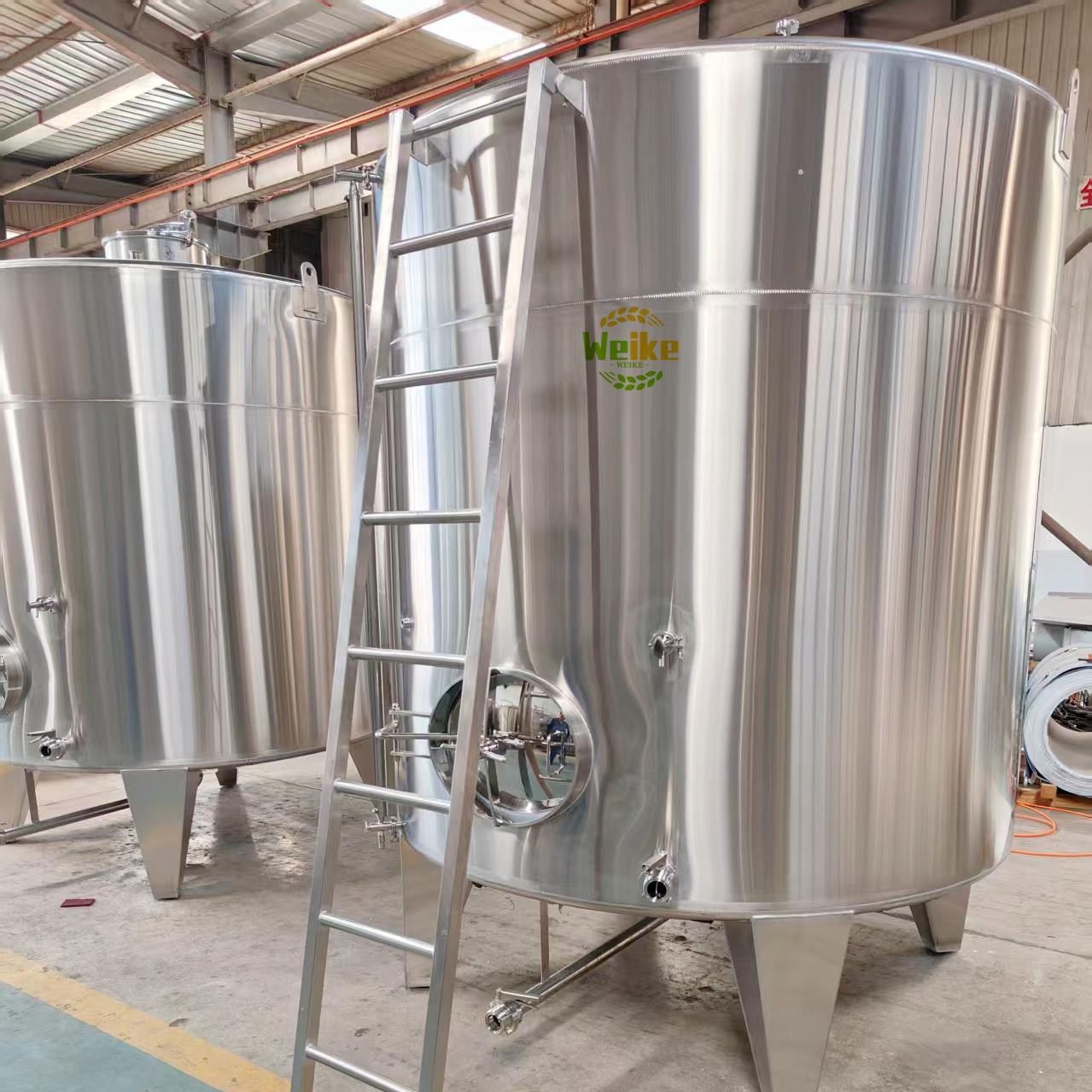
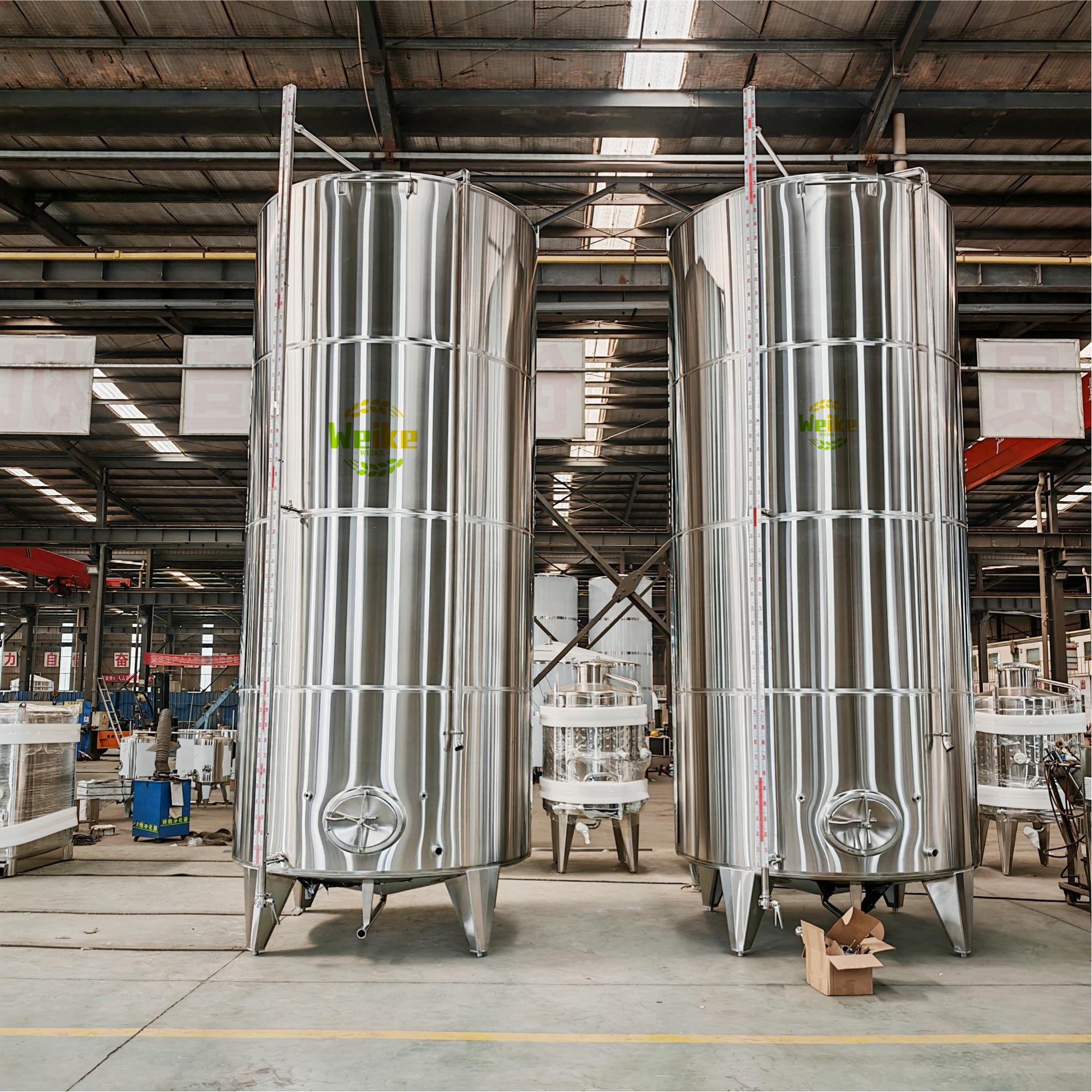
Stainless Steel Alcohol Spirit Tanks
PRODUCT DESCRIPTION
Stainless Steel Alcohol Spirit Tanks:
Features
• Material & Hygiene
Made of food-grade SUS304 / 316L stainless steel, with inner mirror polishing and outer matte or mirror finish. Non-toxic, corrosion-resistant, no rust, no cross‑contamination, compliant with international food and beverage hygiene standards.
• Jacket Structure
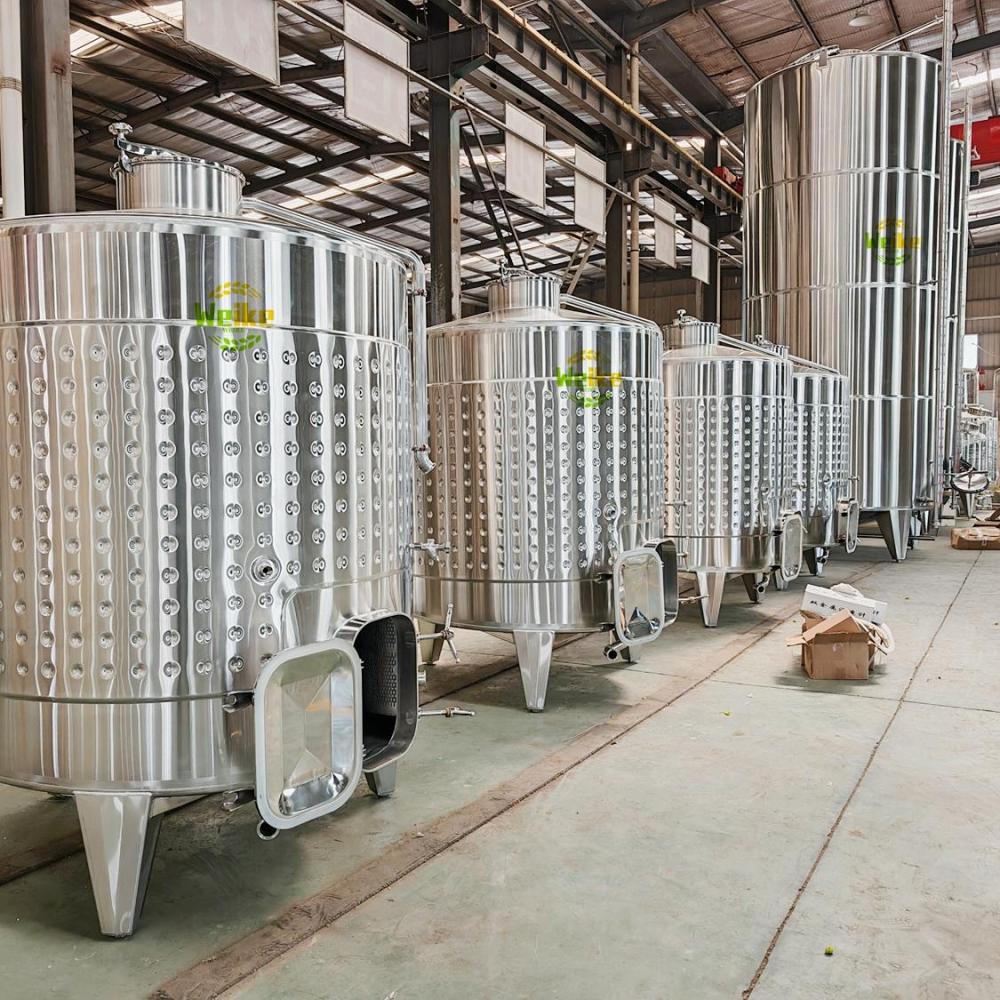
Equipped with single/double/three-layer jacket for cooling, heating, and insulation. Supports steam, chilled water, or glycol circulation, enabling stable temperature control for fermentation, maturation, storage, and mixing.
• Sanitary Design
Standard with sanitary inlet/outlet, manhole, sight glass, CIP cleaning ball, pressure gauge, safety valve, and breathing valve. Fully enclosed structure minimizes bacterial contamination and allows easy cleaning and maintenance.
• Stability & Customization
High strength, good pressure resistance, no leakage, long service life.
Overview
These are purpose-built, hygienic pressure/vacuum vessels engineered for the storage, blending, aging, and processing of high-proof distilled spirits. They prevent flavor oxidation, alcohol loss, and contamination while enabling precise temperature/pressure control for maturation and batch consistency.
Core Material & Finish
• Primary Grade: SUS304 (standard spirits); 316L stainless steel (premium/acidic spirits, marine locations) – fully FDA/CE/GMP compliant.
• Inner Surface: Mirror polish (Ra ≤ 0.4 μm), TIG-welded with no pits/crevices, passivated; zero dead zones for CIP cleaning.
• Outer Surface: Matte brushed, polished, or insulated with cladding (rockwool/polyurethane + aluminum sheet for temperature stability).
• All fittings (valves, manways, breathers) are sanitary clamp-type to avoid thread contamination.
Key Functional Features
1. Jacketed & Temperature Control: Single/double jacket, dimple jacket, or coil designs for steam heating, glycol cooling, or ambient insulation. Temp range typically -10°C to 80°C; ideal for oak-infused aging, cold filtering, and blending.
2. Sealing & Safety: Closed-top with flame arrestor+pressure/vacuum relief valve (critical for flammable alcohol vapor); nitrogen blanketing option to eliminate headspace oxygen.
3. Hygiene & Maintenance: Full CIP (Clean-In-Place) ball integration, sloped/conical bottom for complete draining, large manway for manual inspection, sample valves, and level transmitters (magnetic/ultrasonic).
4. Capacity & Structure: Standard 100L to 20,000L+; vertical (space-saving) or horizontal (large-volume storage) options; adjustable legs or skid-mount for mobility/leveling.
Dimension of Alcohol and spirit tanks
Detailed specification list
Classification (Types)
1. By Application:
◦ Storage Tanks: Long-term aging (static, minimal agitation), nitrogen-blanketed, insulated.
◦ Blending Tanks: With top/side agitators, variable speed drives, for mixing spirits, water, flavors, colorants.
◦ Aging Tanks: Jacketed for constant cellar temperature, designed for oak chip/stave contact.
◦ Filter Feed/Clarification Tanks: For pre/post-filter holding, with sight glasses and flow controls.
2. By Top Design: Closed (standard for spirits, explosion-proof) / Open-top (rare, for manual blending in controlled areas).
3. By Pressure Rating: Atmospheric (ambient storage) / Low-pressure (≤ 3 bar, for nitrogen blanketing/heating).
Standard Configurations & Options
• Instrumentation: Digital temp/pressure gauges, remote monitoring (PLC/HMI), leak detection alarms.
• Material Upgrades: 316L instead of 304; Hastelloy-clad for aggressive environments.
• Mobility: Skid-mounted with forklift pockets or casters for small tanks.
• Certifications: ASME, PED, CE marking for international compliance.
Typical Sizing Examples
• Small craft distiller: 100L, 500L, 1000L blending/storage tanks.
• Mid-scale production: 5000L, 10,000L insulated aging tanks.
• Large commercial distillery: 20,000L+ horizontal tanks for bulk spirit storage.
Installation & Compliance Notes
• Must meet local fire codes for flammable liquid storage; electrical components should be ATEX/IECEx certified for hazardous areas.
• Full documentation (P&IDs, material certificates, pressure test reports) required for distillery licensing.
Get a quote
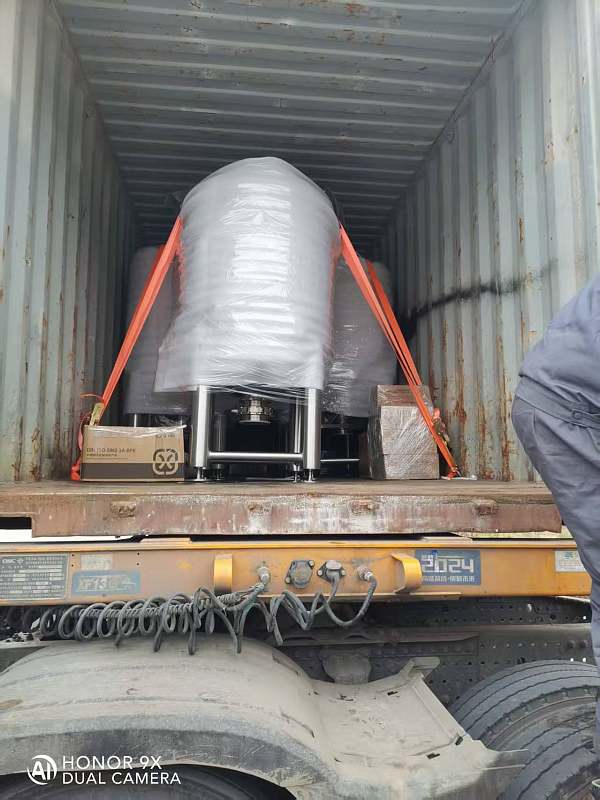
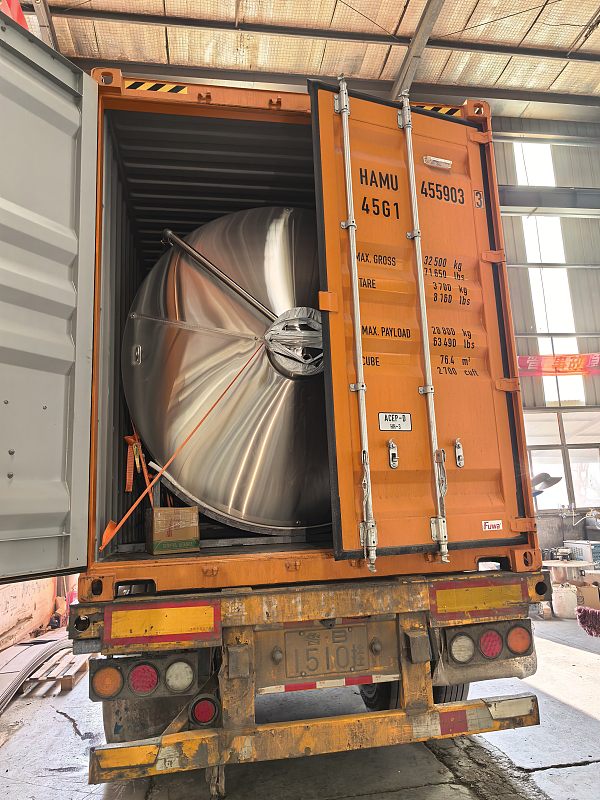
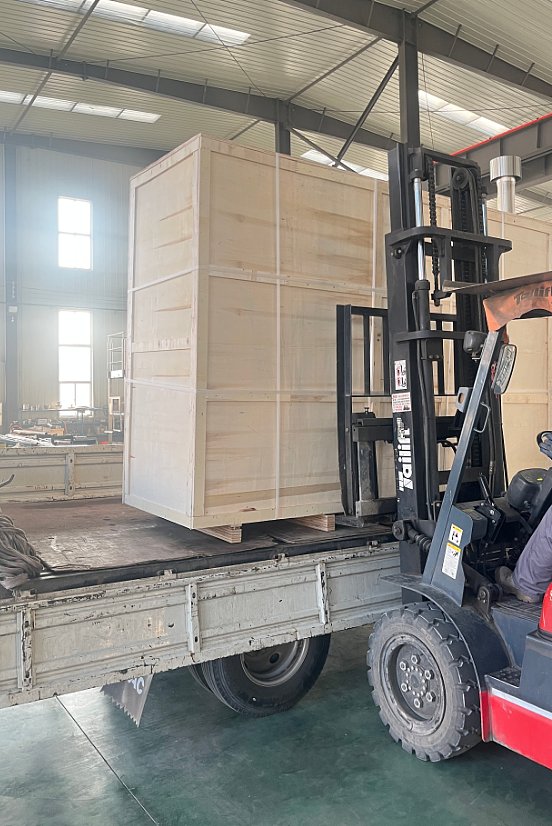
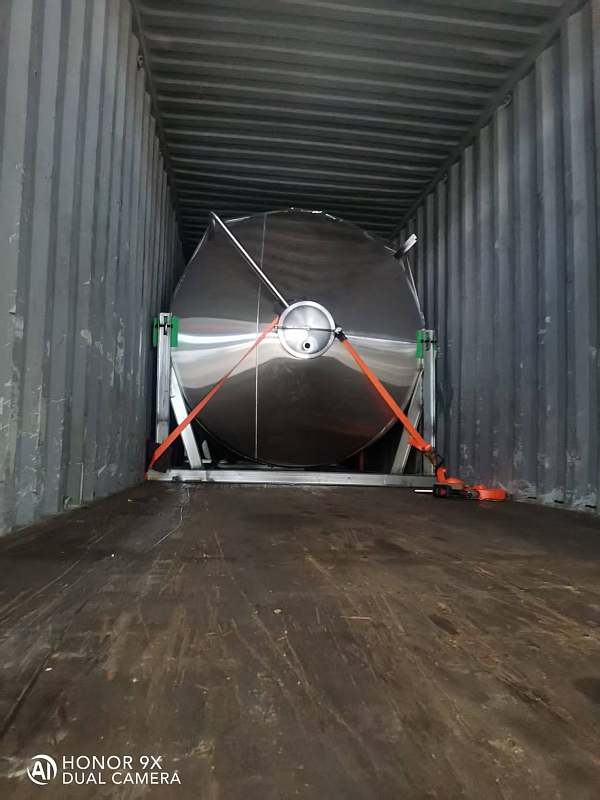
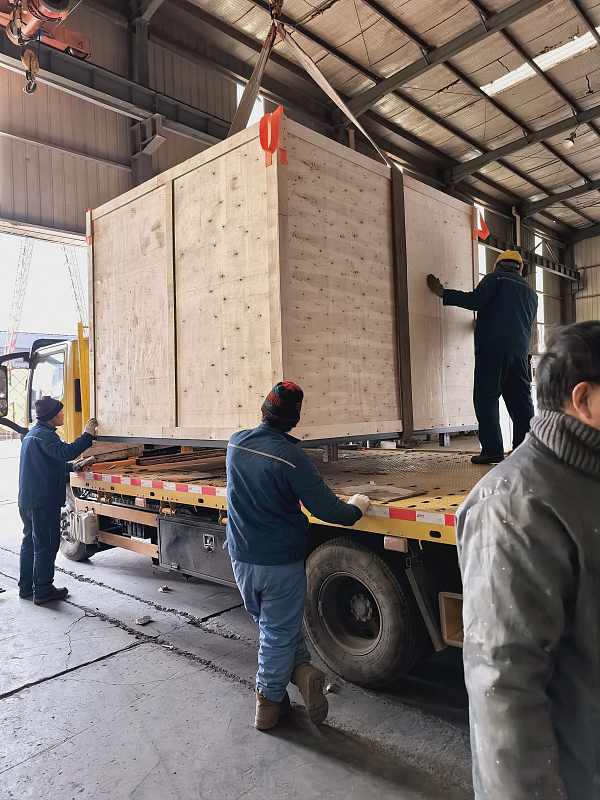
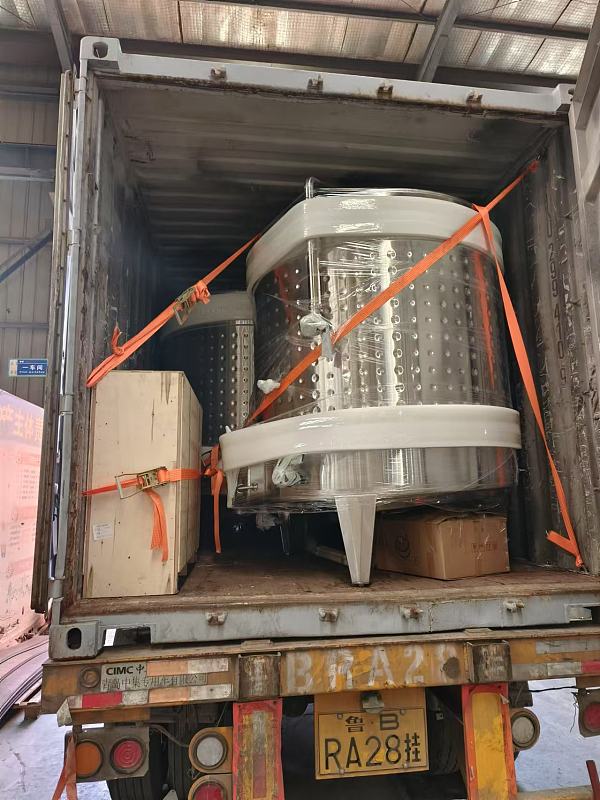
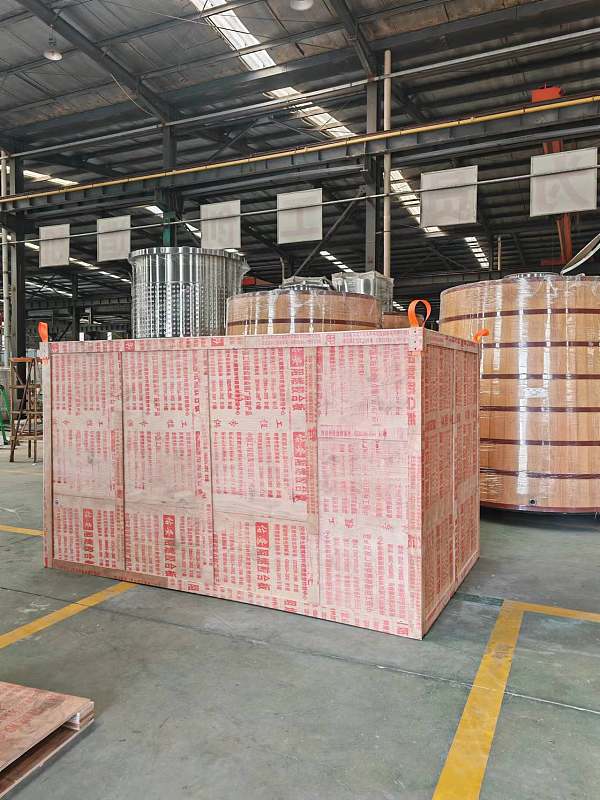
Packing and shipping