NEWS
Stainless Steel Beer Fermenters | Unitank & CCV Tanks
Stainless Steel Beer Fermenters | Unitank & CCV Tanks
Definition & Core Function
A beer fermenter is a specialized vessel where yeast converts wort sugars into alcohol, CO2, and flavor compounds. It must precisely control temperature, pressure, and sanitation to ensure consistent beer quality. Industry standard material is 304/316 stainless steel (non-porous, CIP-cleanable, corrosion-resistant).
The beer fermentation tank is one of the indispensable and important equipment in the beer brewing process, which carries the key link of beer brewing.
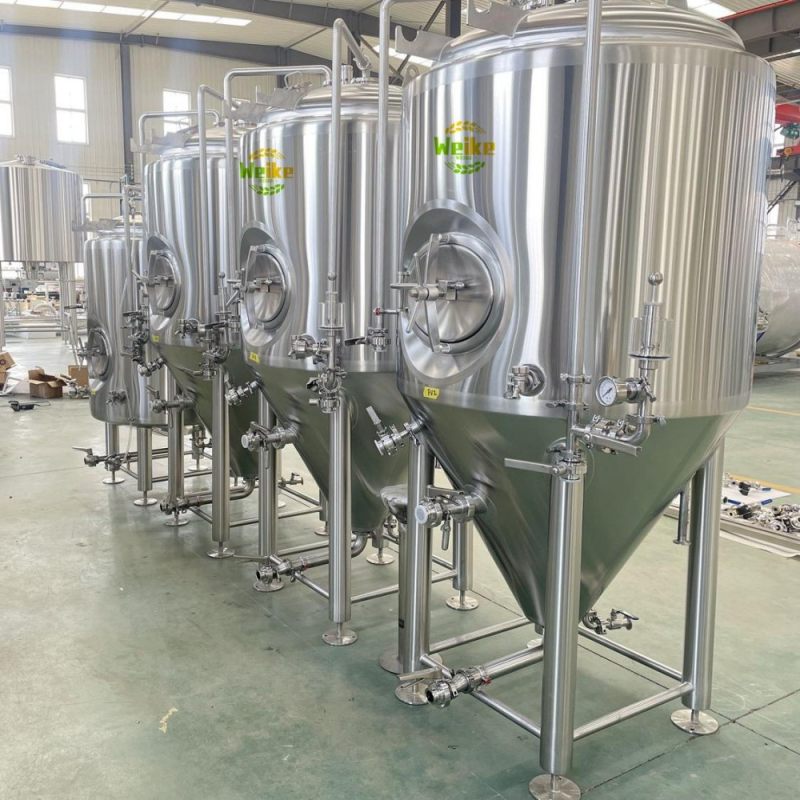
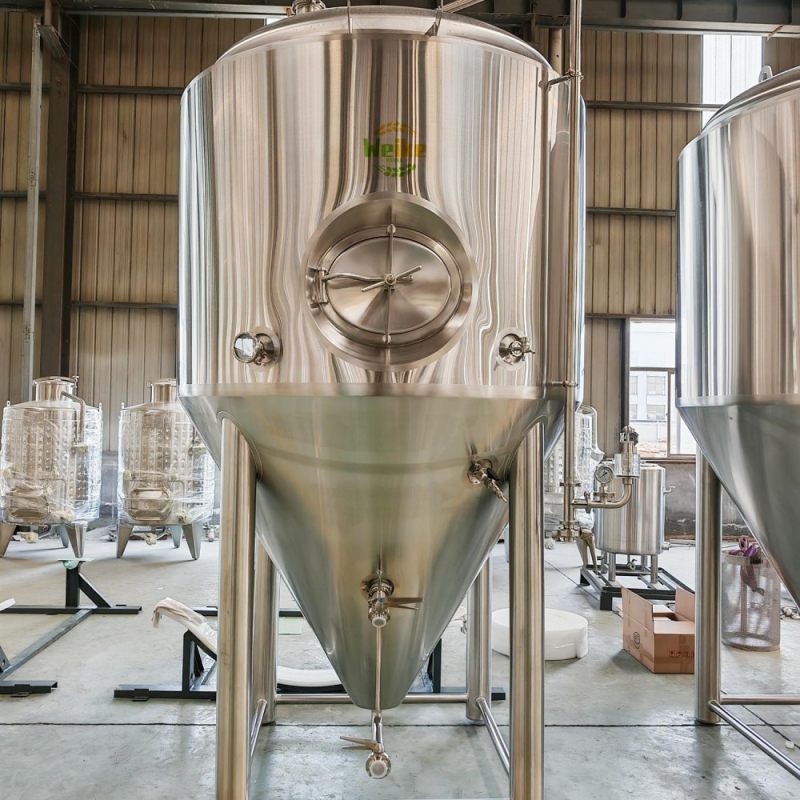
-The basic structure of conical fermenter is usually made of stainless steel, with a cylindrical shape and a conical bottom.
-The fermentation tank contains fermentation liguid, which is related to the raw materials used to make beer.
-The top or side manway of the fermentation tank is equipped with an observation port, making it easy for operators to observe and control the fermentation process.
-The fermentation process of beer fermentation tank is a very important equipment in the beer brewing process, and the fermentation process inside the tank is the stage of beer fermentation.
-During the fermentation process, under the action of yeast, substances such as starch and sugar in the fermentation tank are converted into alcohol and carbon dioxide in beer, ultimately forming the final beer product.
-The maintenance and upkeep of beer fermentation tanks are necessary to ensure efficient beer fermentation and quality. Regular cleaning and upkeep of beer fermentation tanks are necessary.
Main Types & Key Features
1. Cylindroconical beer Fermenter (CCV)
Cylinder body+conical bottom (60° typical); yeast harvest at cone valve, minimal transfer loss
Closed system, cooling jackets, pressure-rated (1–2 bar); used for primary fermentation in craft/large breweries.
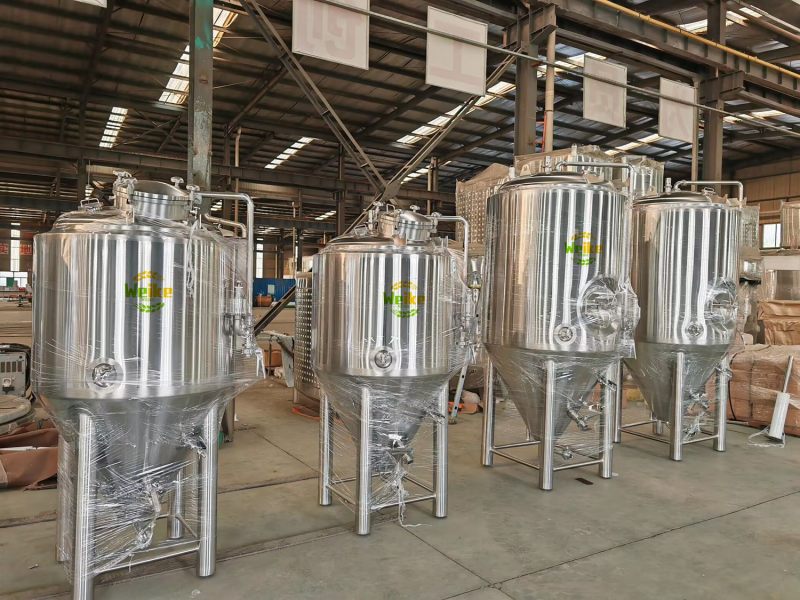
2. Unitank
Dual-purpose: primary fermentation+bright conditioning/carbonation in one tank
Saves space, reduces transfers, lowers O2 pickup; popular for craft breweries with limited footprint;
3. Open Fermenter
Shallow, open-top vessel; traditional for Belgian lambics, German wheat beersUnique wild-yeast flavor profiles;
higher contamination risk, requires ultra-clean environments.
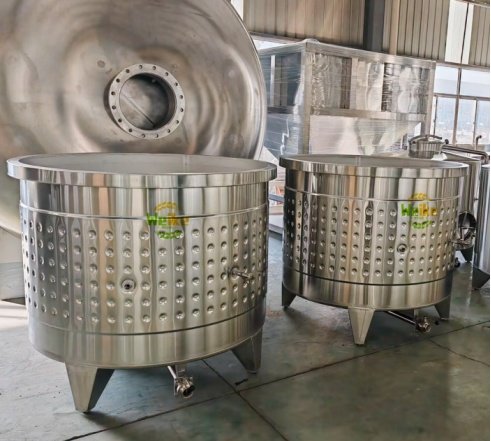
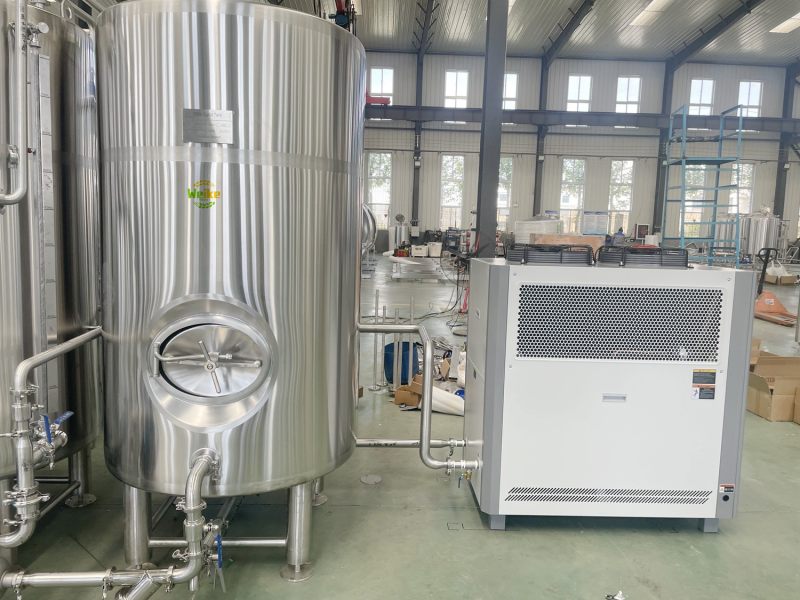
4. Brite Tank (Conditioning Tank) (post-fermentation)
Used for final clarification, carbonation, and stabilization before packaging
Equipped with carbonation stones, cooling jackets, and sampling ports
Standard Components & Technical Specs
• Cooling/heating jacket (glycol system for 1–20°C control); CIP spray balls; pressure relief valves (PRV)
• Manway, sight glass, sampling valve, thermowell, pressure gauge
• Capacities: Homebrew (10–100L); Microbrewery (100L, 500L, 1000L, 2000L); Industrial (10kL–100kL+)
• Pressure rating: 1–2 bar (15–30 psi) for closed pressure fermentation.